Polygonaceae - UK wildflowers - Five-minute families
Автор: Five-minute families
Загружено: 2021-11-27
Просмотров: 2653
Five-minute families is on Patreon! If you're interested in supporting what I do, head over to / fiveminutefamilies
In this series, I aim to give you a quick introduction to some of the common plant families found in the UK. Learning to identify plant families is a great help in identifying individual plant species you come across – if you know the family, then you know where to start looking for the species in a guide, and identifying the family is an achievement in itself. Plants are classified into families based on characteristics that they share; this is then narrowed down further into genera and then into species. So, the way to identify a plant’s family is to know these characteristic features.
Today we're going to look at the Polygonaceae - the dock family or knotweed family. Plants in the Polygonaceae are mostly herbaceous, though there are also trees, shrubs and climbing or scrambling species. There are around 1200 species, the majority of which are found in temperate parts of the Northern Hemisphere, though the family is present nearly worldwide. They include annuals and perennials, and a number of species of economic, edible and ornamental importance.
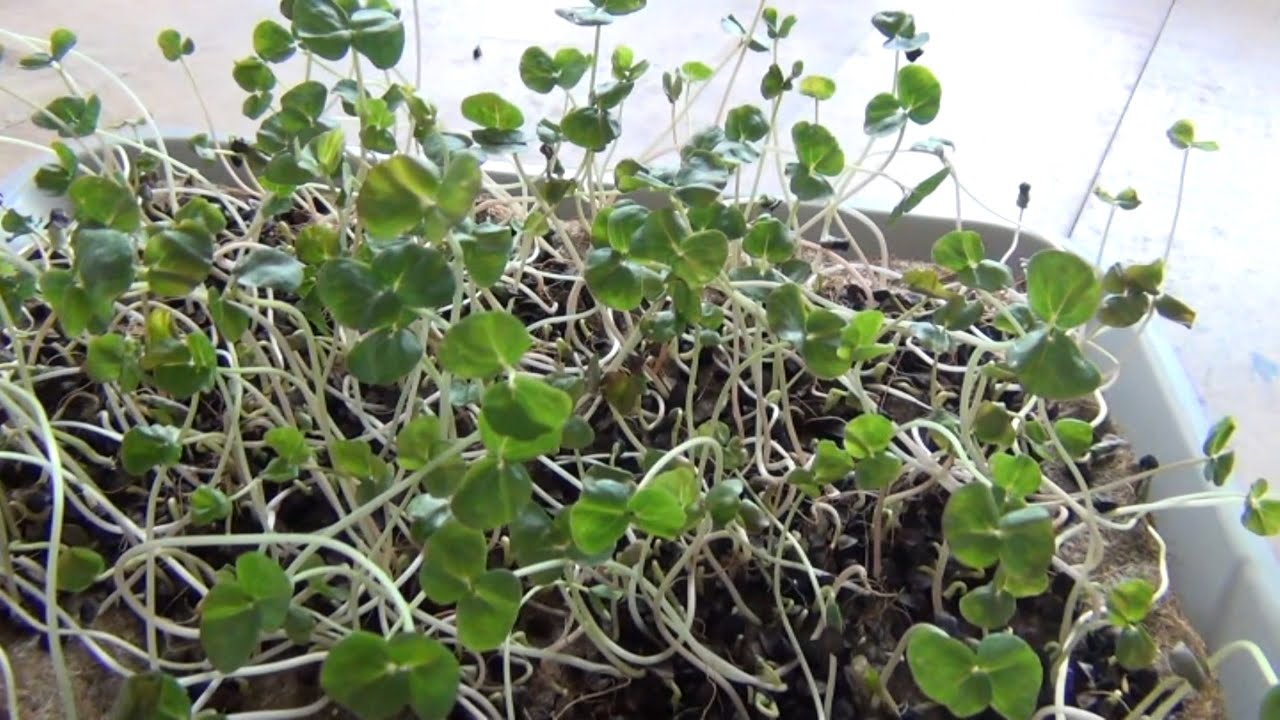
Edible plants in the Polygonceae include Fagopyrum esculentum (buckwheat), Rheum rhubararum (rhubarb) and Rumex acetosa (sorrel). Persicaria species and the vine Fallopia baldschuanica (Russian-vine) are grown as garden ornamentals. The infamous invasive, Reynoutria japonica (Japanese knotweed), is also in this family. The UK species are all herbaceous plants.
The flowers grow in clusters on flowering stems, or from the axils where the leaves meet the stems. The flowers are small and regular in shape, usually green, pale or pinkish-red. They don't have defined petals or sepals, and the petal-like organs are instead referred to as tepals. There are between three and six tepals, arranged in two rings. In some species these are joined at the base and in others they are not. In Rumex (the docks), some of the tepals have warty structures and toothed edges that are important for identifying the species. The flowers are pollinated by wind in some species and by insects in others.
The ovary of the flowers is superior, attached above the rest of the floral parts, and the tepals often envelop the ovary as it ripens into a fruit. The fruits are dry nutlets or achenes: dry fruits containing one seed. They tend to be roughly triangular.
Polygonaceae leaves grow either in a basal rosette or alternately up the stems. They are simple and entire, meaning they are undivided and have untoothed margins. The nodes, where the leaves emerge from the stem, are often swollen.
An important characteristic of many of these plants are the stipules – structures found at the base of the leaves. In many families these stipules are leafy. In the Polygonaceae, they are papery and form a membranous sheath above the base of the leaf stalks. These sheaths are called ochreae; ochrea in singular.
So, if your plant has small pale, green or pink flowers, with tepals rather than obvious petals or sepals, dry fruits, simple, alternate or rosette leaves, and an ochrea at the base of the leaves, then you have a member of the Polygonaceae.
See if you can find these three plants when you’re out:
Rumex obtusifolius, broad-leaved dock, with big, broad leaves and tall flower spikes
Rumex acetosa, sorrel, with arrowhead-shaped leaves
Persicaria maculosa, redshank, with blotched leaves and dense heads of pink flowers

Доступные форматы для скачивания:
Скачать видео mp4
-
Информация по загрузке: