WHAT IS DOCKER ? CONTAINERIZATION EXPLAINED
Автор: Tech With Machines
Загружено: 2024-05-26
Просмотров: 155
What is Docker?
Docker is an open-source platform designed to automate the deployment, scaling, and management of applications. It allows developers to package applications and their dependencies into standardized units called containers. Containers ensure that the application runs consistently across different environments, from development to production, regardless of the underlying system or infrastructure.
Docker simplifies the process of creating, managing, and running containers by providing easy-to-use tools for defining container images, running containers, and orchestrating multi-container applications.
Key Components of Docker:
Docker Engine: The core of Docker, it is responsible for creating and running containers.
Docker Images: Read-only templates that contain the necessary files and configurations to run an application. Images are built using a Dockerfile, which specifies the base image, application code, dependencies, and configurations.
Docker Containers: Lightweight, executable units of software that package code and all its dependencies. Containers are instances of images and run isolated from other containers and the host system.
Docker Hub: A cloud-based registry where users can store and share Docker images. You can pull pre-built images from Docker Hub or push your own images to it.
What is Containerization?
Containerization is the process of packaging an application along with all its dependencies, libraries, and configurations into a single, isolated unit called a container. Containers run consistently across different environments by encapsulating the entire application stack, including the operating system dependencies, binaries, libraries, and configuration files.
Key Features of Containers:
Isolation: Containers run in isolated environments, meaning that processes inside one container do not affect other containers or the host system. Each container has its own file system, network interfaces, and resources.
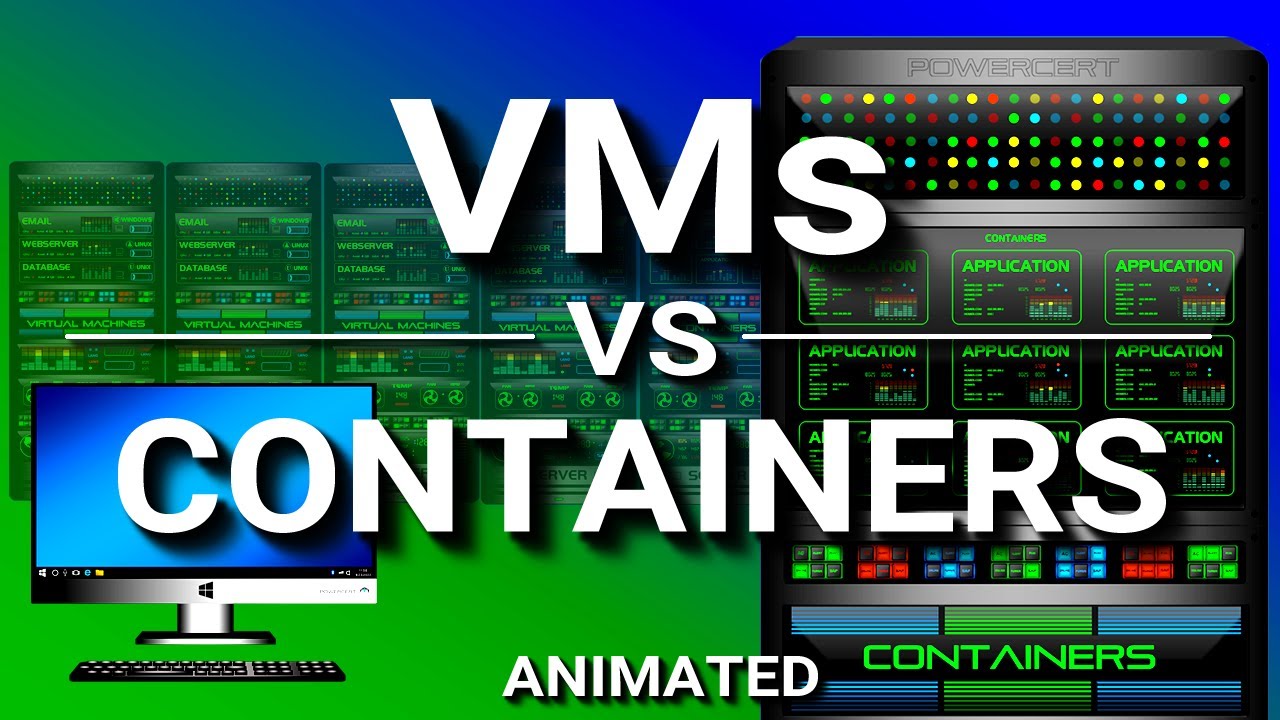
Lightweight: Unlike virtual machines (VMs), containers do not bundle the entire operating system. They share the host system's kernel but run isolated processes. This makes them lightweight and resource-efficient compared to VMs.
Portability: Containers encapsulate the entire application and its dependencies, so they can be moved between different environments (e.g., development, testing, production) without compatibility issues.
Consistency: Since the application and all its dependencies are included in the container, developers can ensure the application will work the same in any environment, reducing the "it works on my machine" problem.
How Containerization Works:
Images: A Docker container is created from an image, which is a pre-built, read-only snapshot of an application environment. Images are layered, meaning they are built on top of base images (like Ubuntu or Alpine Linux), and additional software and configuration can be added layer by layer.
Containers: When an image is run, it becomes a container. Containers include everything needed to run the application, such as the code, system libraries, dependencies, and runtime. These containers are run by the Docker Engine, which manages their lifecycle.
Isolation via Namespaces and Cgroups: Docker containers achieve isolation using Linux namespaces and control groups (cgroups). Namespaces provide isolation for container processes, while cgroups manage resource allocation like CPU, memory, and network bandwidth.
Benefits of Docker and Containerization:
Consistency across environments: Docker containers ensure that applications run the same, regardless of the environment (development, testing, production).
Scalability: Containers can be easily scaled up or down by orchestrating them with tools like Kubernetes.
Faster Deployment: Containers allow rapid deployment and easier management of infrastructure, especially in cloud-native environments.
Resource Efficiency: Containers use fewer resources than traditional VMs, reducing infrastructure costs.
Conclusion:
Docker and containerization simplify application development, deployment, and scaling by packaging applications and their dependencies into isolated, portable containers. This approach ensures consistency, enhances resource utilization, and accelerates software delivery.@TechWithMachines
#docker #containerization #systemdesign #devops #dockertutorials #dockercontainer
Доступные форматы для скачивания:
Скачать видео mp4
-
Информация по загрузке: