Psalm 88: Domine, Deus, salutis meæ
Автор: Chant & Poetry
Загружено: 2021-04-29
Просмотров: 820
Channel / @chantandpoetry Playlist • St. Dunstan's Plainsong Psalter • Psalm 88: Domine, Deus, salutis meæ
Psalm 88 chanted in the Sarum Use by Sarah James
Themes: The earnest prayer of a person in deep distress, abandoned by his friends and neighbors, and apparently forsaken of God. Perhaps the title of this Psalm, which is difficult enough, might be thus translated: "A Poem to be sung to the conqueror, by the sons of Korah, responsively, in behalf of a distressed person; to give instruction to Heman the Ezrahite." Kennicott says this psalm has three titles, but the last only belongs to it; and supposes it to be the prayer of a person shut up in a separate house, because of leprosy, who seems to have been in the last stages of that distemper; this disease, under the Mosaic dispensation, being supposed to come from the immediate stroke of God. Calmet supposes it to refer to the captivity; the Israelite nation being represented here under the figure of a person greatly afflicted through the whole course of his life. By some Heman is supposed to have been the author; but who he was is not easy to be determined. Heman and Ethan whose names are separately prefixed to this and the following psalm, are mentioned as the grandsons of Judah by his daughter-in-law Tamar, I Chronicles 2:6, for they were the sons of Zerah, his immediate son by the above. "And Tamar, his daughter-in-law, bare him Pharez and Zerah," I Chronicles 2:4. "And the sons of Zerah Zimri, and Ethan, and Heman, and Calcol, and Dara, (or Darda)," 1 Chronicles 2:6. If these were the same persons mentioned in 1 Kings 4:31, they were eminent in wisdom; for it is there said that Solomon's wisdom "excelled the wisdom of all the children of the east country, and all the wisdom of Egypt. For he was wiser than all men; than Ethan the Ezrahite, and Heman, and Chalcol, and Darda, the sons of Mahol.” Probably Zerah was also called Mahol. If the psalms in question were written by these men, they are the oldest poetical compositions extant; and the most ancient part of divine revelation, as these persons lived at least one hundred and seventy years before Moses. This may be true of the seventy-eighth psalm; but certainly not of the following, as it speaks of transactions that took place long afterwards, at least as late as the days of David, who is particularly mentioned in it. Were we sure of Heman as the author, there would be no difficulty in applying the whole of the psalm to the state of the Hebrews in Egypt, persecuted and oppressed by Pharaoh. But to seek or labor to reconcile matters contained in the titles to the psalms, is treating them with too much respect, as many of them are wrongly placed, and none of them divinely inspired. (From the Adam Clarke Commentary, 1831)
In Judaism: Psalm 88 is recited on Hoshana Rabbah, the seventh day of Sukkot, which is the Feast of Tabernacles. Hoshana Rabbah is known as the last of the Days of Judgment. (Wikipedia)
In Christianity: In the Orthodox Church, this psalm is part of the Six Psalms (Psalms 3, 38, 63, 88, 103 and 143) that constitute the heart of the orthros (early dawn or daybreak prayers) that is to say Matins in the Catholic Churches of the Byzantine rite. In the Catholic Liturgy of the Hours, Psalm 88 is said on Fridays as part of compline (the Night Prayer, right before going to sleep).
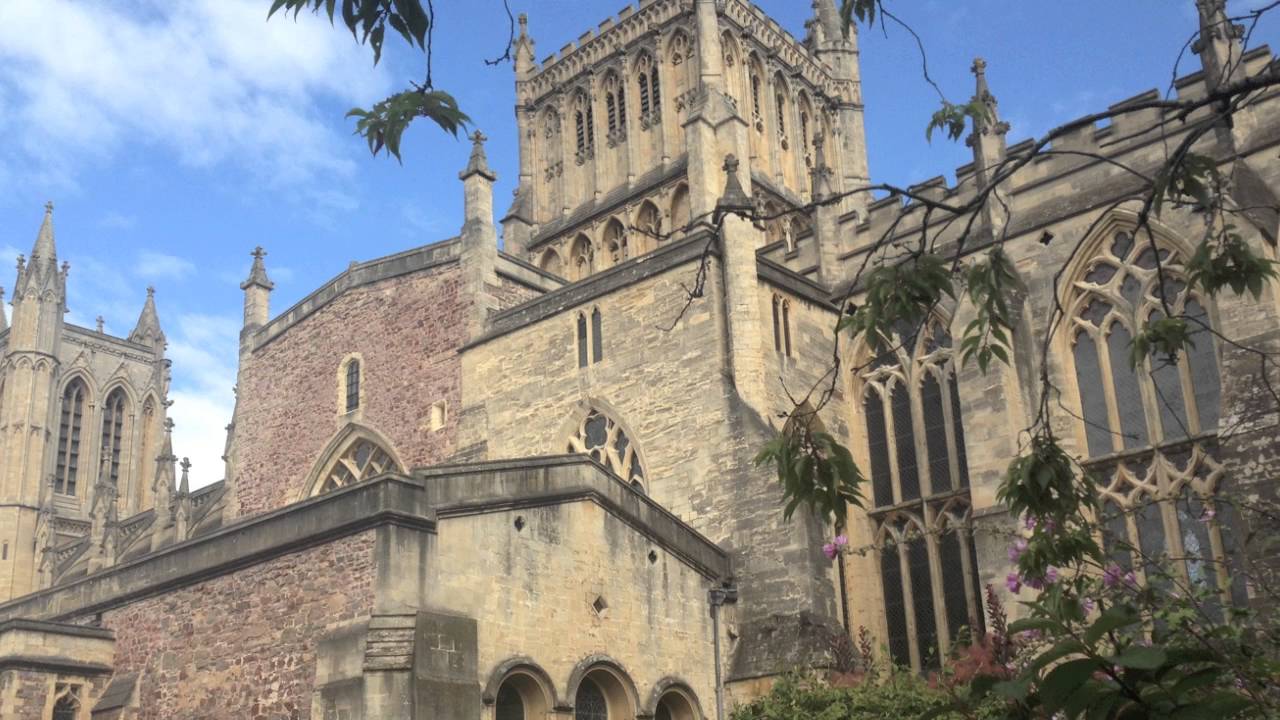
Nine hundred years ago, the Cathedral of Salisbury, England developed a unique form of chant and liturgy known as the “Use of Salisbury,” or “Sarum Use.” Differences from the Roman rite are both melodic (more florid in the Sarum) and textual (Elizabethan English rather than Latin). The best repository of Sarum Use tones is the St. Dunstan's Plainsong Psalter, from which Sarah has sung this psalm. Additional resources on Sarum Use plainsong at https://canticasacra.org.
“Anguish,” an 1878 oil on canvas by August Friedrich Schenk, is in the public domain in its country of origin and other countries and areas where the copyright term is the author's life plus 100 years or fewer. This work is in the public domain in the United States because it was published (or registered with the U.S. Copyright Office) before January 1, 1926.
#psalm88 #plainsong #psalms #psalter #gregorianchant #saintdunstan #bible

Доступные форматы для скачивания:
Скачать видео mp4
-
Информация по загрузке:






![The Shadow of Calvary: Vivaldi Filiae maestae Jerusalem, RV 638 | [MuseLAB]](https://imager.clipsaver.ru/0sj824OYRoI/max.jpg)