Vulnerability Research: AI-Powered Patch Diffing Delivers Faster Discovery
Автор: Bishop Fox
Загружено: 2025-08-19
Просмотров: 225
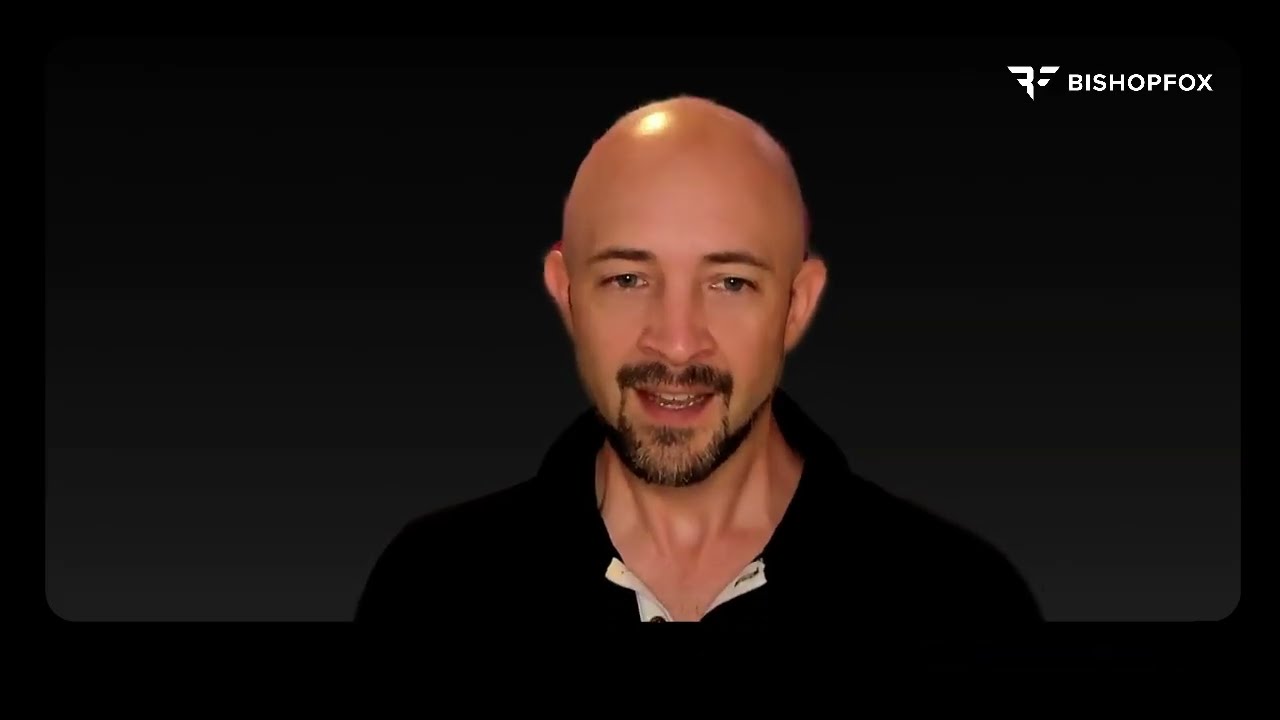
Security researcher Jon Williams from Bishop Fox shares cutting-edge research on using Large Language Models (LLMs) to revolutionize vulnerability research workflows. When security advisories are released with minimal technical details, researchers traditionally spend weeks manually analyzing patch differences between software versions to identify vulnerabilities and develop defensive tools. This time-intensive process involves decompiling binaries, generating differential reports, and reverse engineering thousands of code changes.
Williams presents experimental results from testing three Claude LLM models against four high-impact CVEs across different vulnerability classes. The research demonstrates how AI can effectively process massive patch differentials, ranking changed functions by relevance to security advisories and achieving a 66% success rate in identifying vulnerable code within top results. Key findings reveal Claude Sonnet 3.7 as the optimal balance of performance and cost-effectiveness, while highlighting the importance of structured prompting methodologies and iterative refinement approaches.
This presentation provides actionable insights for security professionals looking to implement LLM-assisted vulnerability research, showing how AI serves as a powerful force multiplier that reduces manual analysis time while maintaining research accuracy. Download the comprehensive research guide at bishopfox.com for detailed methodology and implementation guidance.
Доступные форматы для скачивания:
Скачать видео mp4
-
Информация по загрузке:




![[SSTF2024] Invited Talk 1 : AI Agents for Offensive Security](https://imager.clipsaver.ru/ncwjfg19EGw/max.jpg)