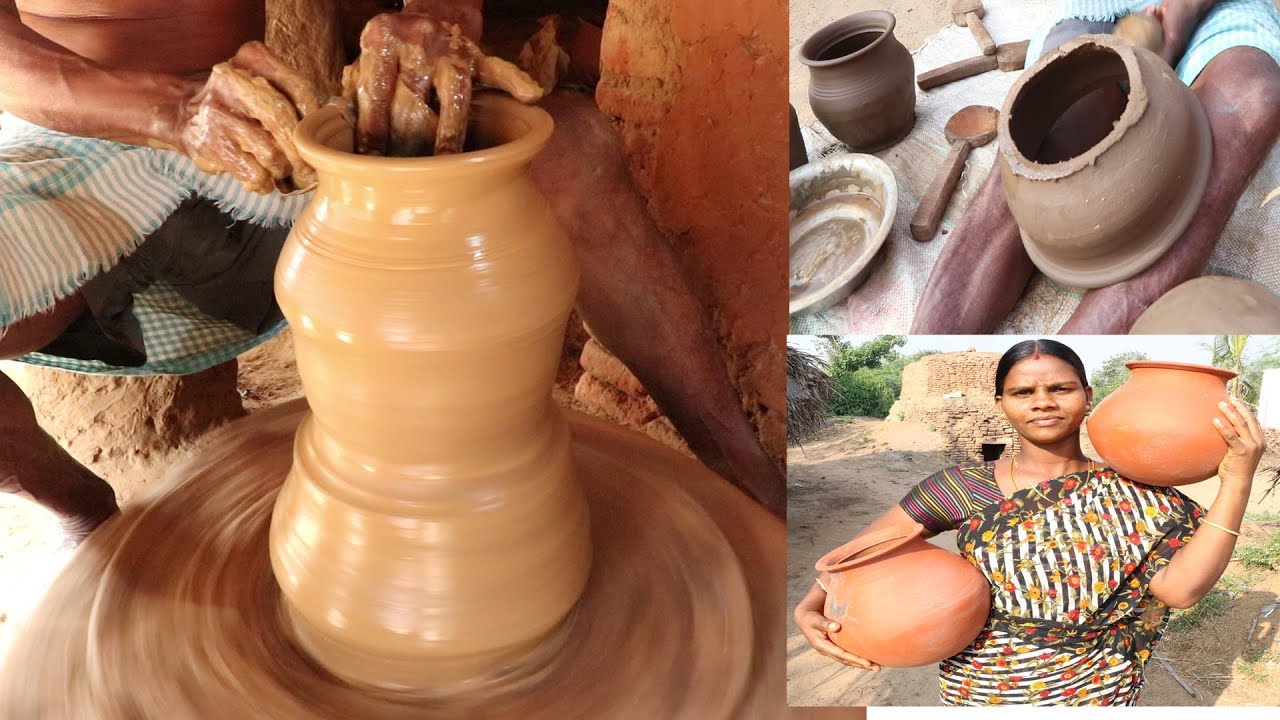
Traditional pot making using potters wheel in India (2019)
Автор: Gravity Productions
Загружено: 2018-12-06
Просмотров: 81532
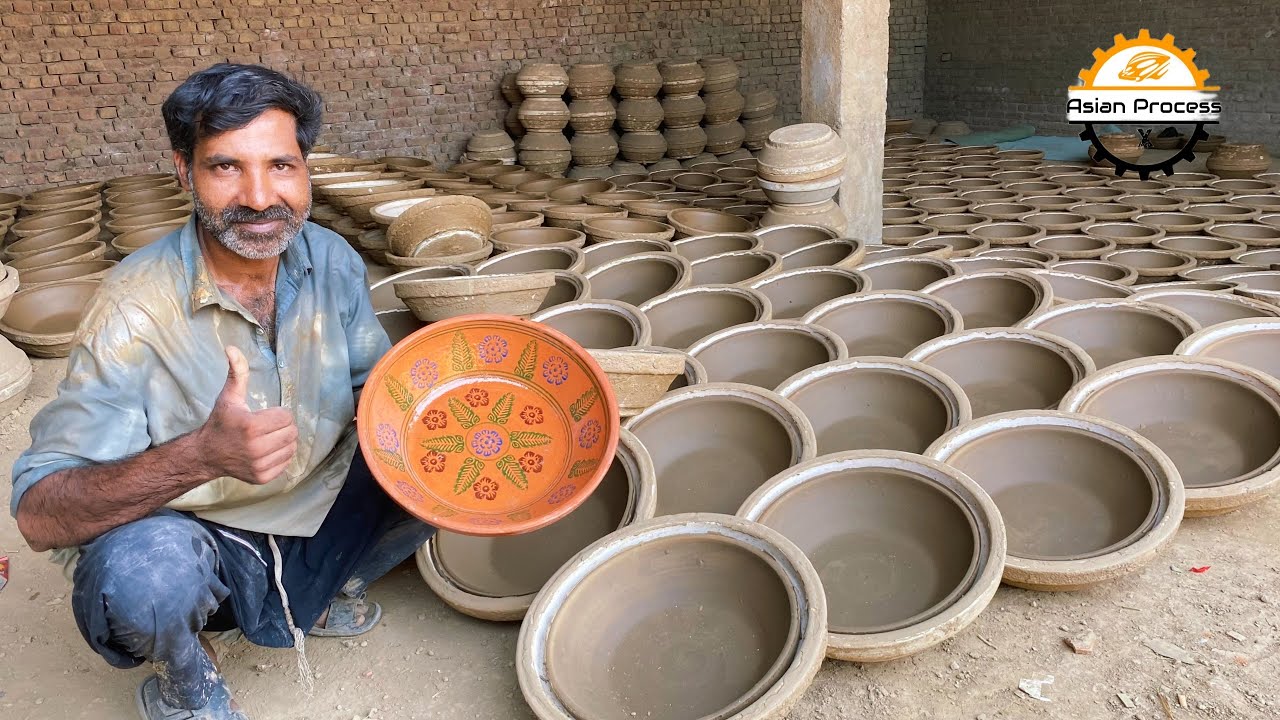
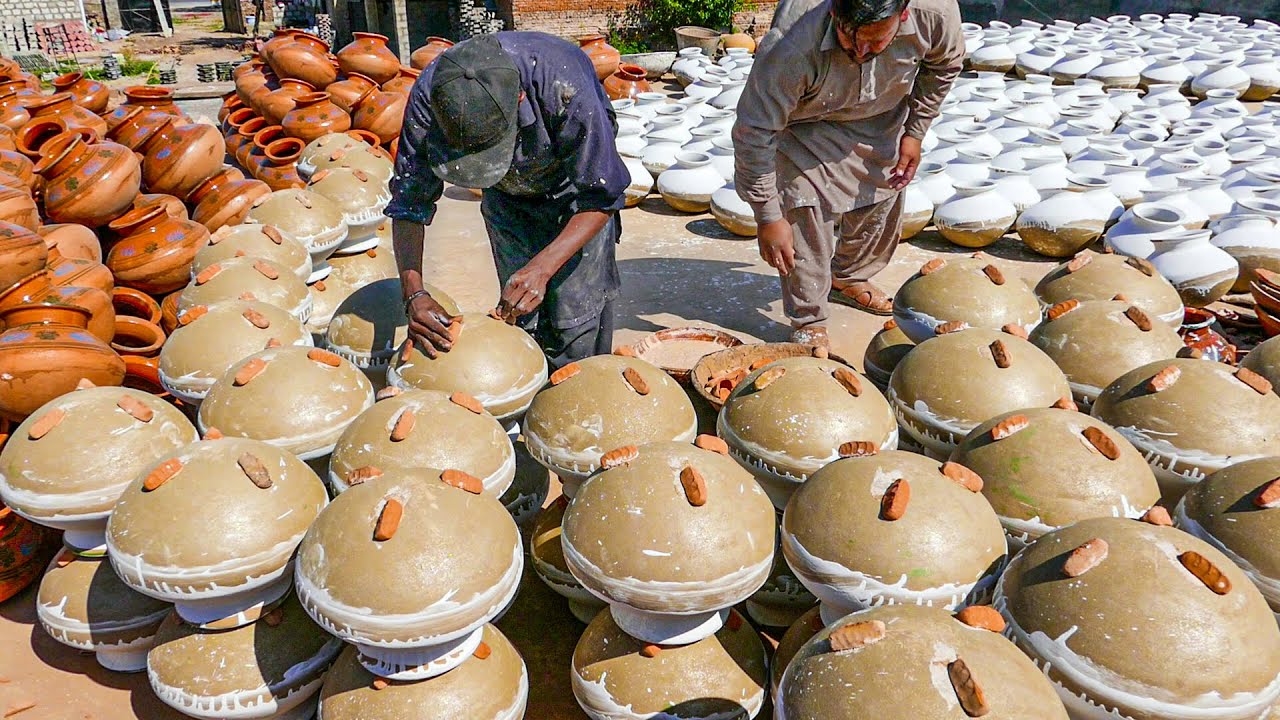
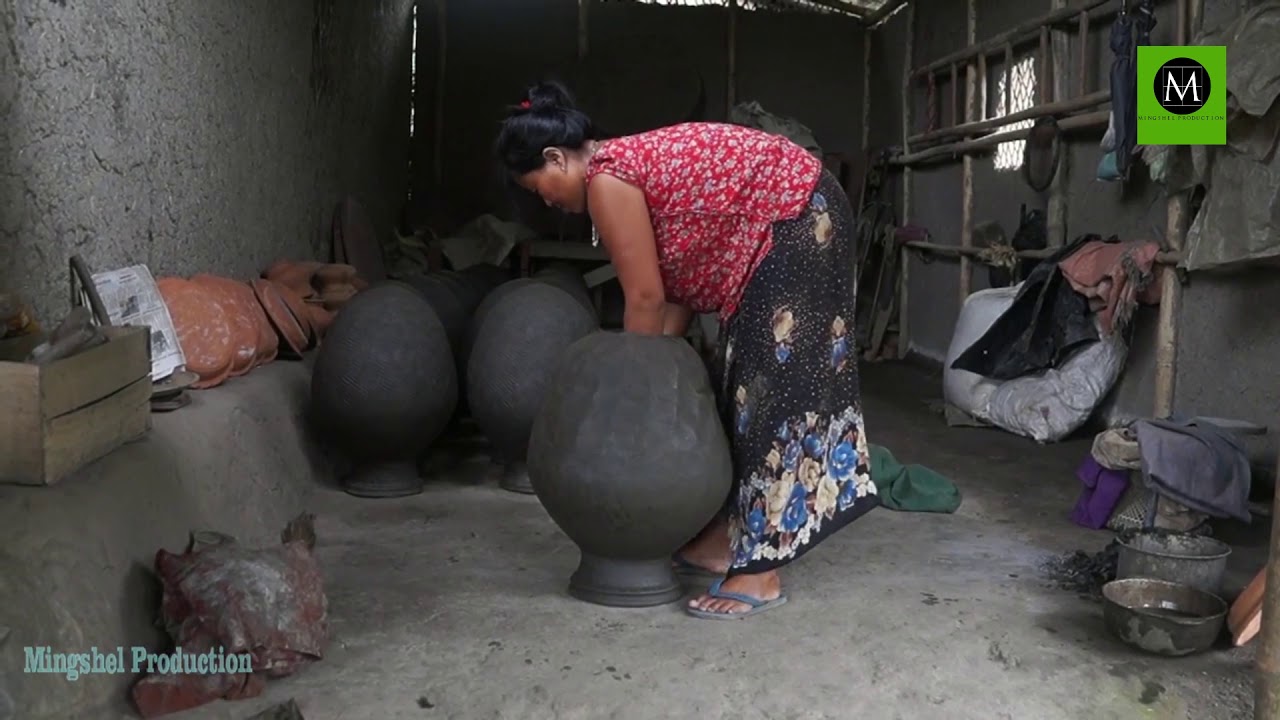
Traditional pot making using potters wheel.
History
#Agriculture #industral reviews
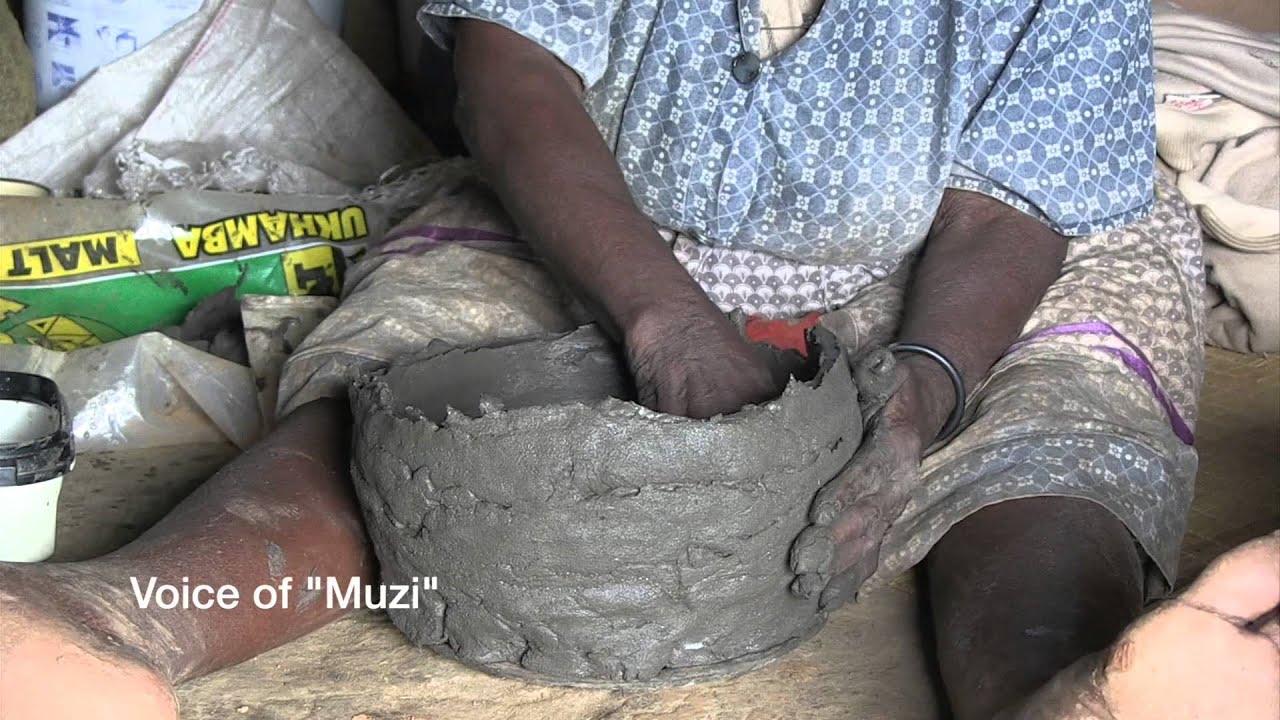
Potters have been forming vessels from clay bodies for millions of years. When nomadic man settled down and discovered fire, the firing of clay pots was not far behind. Pinch pots, made from balls of clay into which fingers or thumbs are inserted to make the opening, may have been the first pottery. Coil pots, formed from long coils of clay that are blended together, were not far behind. These first pots were fired at low temperatures and were thus fragile and porous. Ancient potters partially solved this by burnishing the surfaces with a rock or hardwood before firing. These low-temperature fired pots were blackened by these fires. The decoration was generally the result of incisions or insertions of tools into soft clay. Early potters created objects that could be used for practical purposes, as well as objects that represented their fertility gods.
. Bricks from clay were used as a building material as well. The ancient Chinese produced black pottery by 3500 B.C. with round bases and plaited decoration. Closer to 1000 B.C. the Chinese used the potter's wheel and developed more sophisticated glazes. Their pottery was often included in funeral ceremonies. In the first millennium B.C., the Greeks began throwing pots on wheels and creating exquisite forms. Pre-Colombians, ancient Iberians, the ancient Romans (who molded pottery with raised decoration), and the ancient Japanese all created beautiful pottery for domestic use as well as for religious purposes.
Until the mid-eighteenth century, European potters generally sold small quantities of completed wares at a market or through merchants. If they wanted to sell more, they took more wares to market. However, British production potters experimented with new body types, perfected glazes, and took orders for products made in factories rather than taking finished goods to the consumer. By the later eighteenth century, many fellow potters followed suit, experimenting with all kinds of new bodies and glazes. Molds were used to make mass quantities of consistent product so that the consumer could be assured of the look of this piece.
The potter's wheel:. In a process called "throwing" (coming from the Old English word thrawan which means to twist or turn,) a ball of clay is placed in the center of a turntable, called the wheel-head, which the potter rotates with a stick, with foot power or with a variable-speed electric motor.
During the process of throwing, the wheel rotates while the solid ball of soft clay is pressed, squeezed and pulled gently upwards and outwards into a hollow shape. The first step of pressing the rough ball of clay downward and inward into perfect rotational symmetry is called centering the clay—a most important skill to master before the next steps: opening(making a centred hollow into the solid ball of clay), flooring (making the flat or rounded bottom inside the pot), throwing or pulling (drawing up and shaping the walls to an even thickness), and trimming or turning (removing excess clay to refine the shape or to create a foot). Considerable skill and experience are required to throw pots of an acceptable standard and, while the ware may have high artistic merit, the reproducibility of the method is poor. Because of its inherent limitations, throwing can only be used to create wares with radial symmetry on a vertical axis. These can then be altered by impressing, bulging, carving, fluting, and incising. In addition to the potter's hands, these techniques can use tools, including paddles, anvils & ribs, and those specifically for cutting or piercing such as knives, fluting tools, needle tools, and wires.
Pottery is a clay that is modeled, dried, and fired, usually with a glaze or finish, into a vessel or decorative object. Clay is a natural product dug from the earth, which has decomposed from rock within the earth's crust for millions of years. Decomposition occurs when water erodes the rock, breaks it down, and deposits them. It is important to note that a clay body is not the same thing as clay. Clay bodies are clay mixed with additives that give the clay different properties when worked and fired; thus pottery is not made from raw clay but a mixture of clay and other materials.
📞Contact⬇⬇⬇
Subscribe:🔔 https://www.youtube.com/c/GravityProd...
Website: https://www.gravityproductions.in/
Gmail: axelraj@gravityproductions.in
Facebook: / gravityproductionsyoutube
Be a member of my channel: / @gravityproductions
Instagram
@gravity_productions: / gravity_productions_
Subscribe:🔔 https://www.youtube.com/c/GravityProd...
Check out my shop: https://teespring.com/stores/gravity-...
Whatsapp: https://wa.me/919188351622

Доступные форматы для скачивания:
Скачать видео mp4
-
Информация по загрузке: