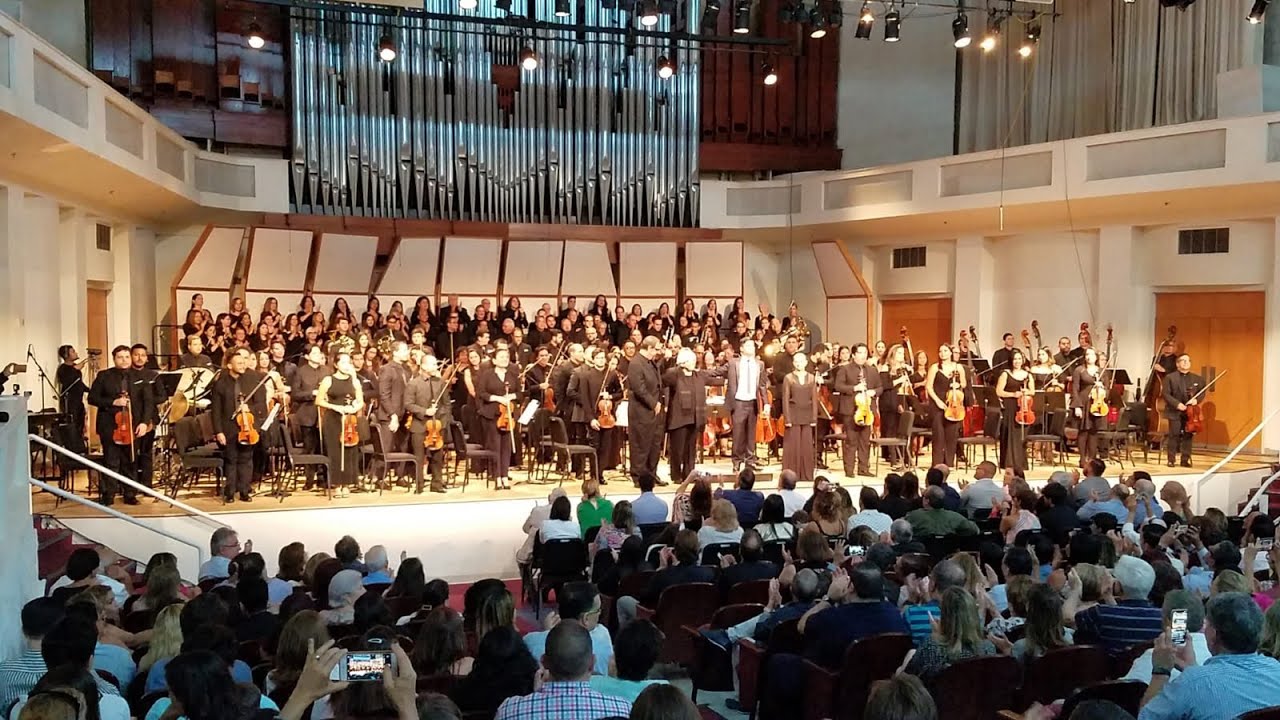
IGNACIO JERUSALEM - MASS IN G "MISA DE LOS NIÑOS"
Автор: Encantus Music Inc.
Загружено: 2020-06-15
Просмотров: 642
IGNACIO JERUSALEM (1707-1769)
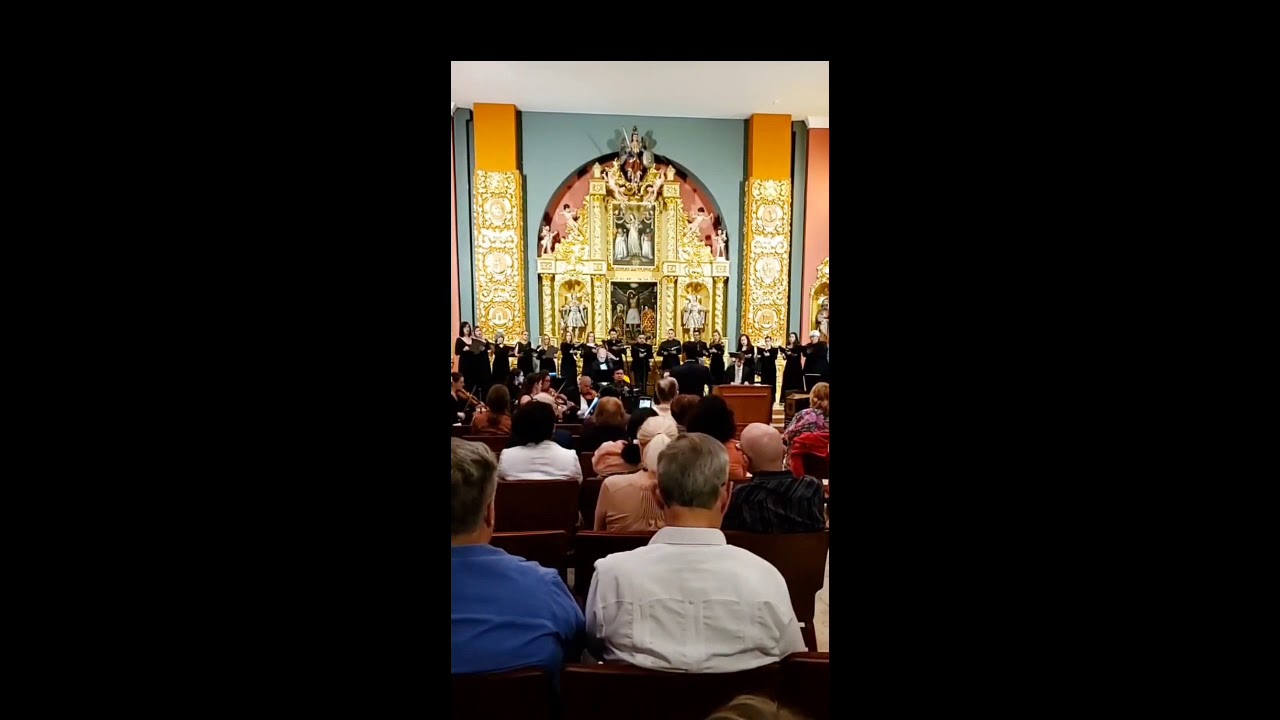
CHICAGO ARTS ORCHESTRA
Javier José Mendoza, Artistic Director
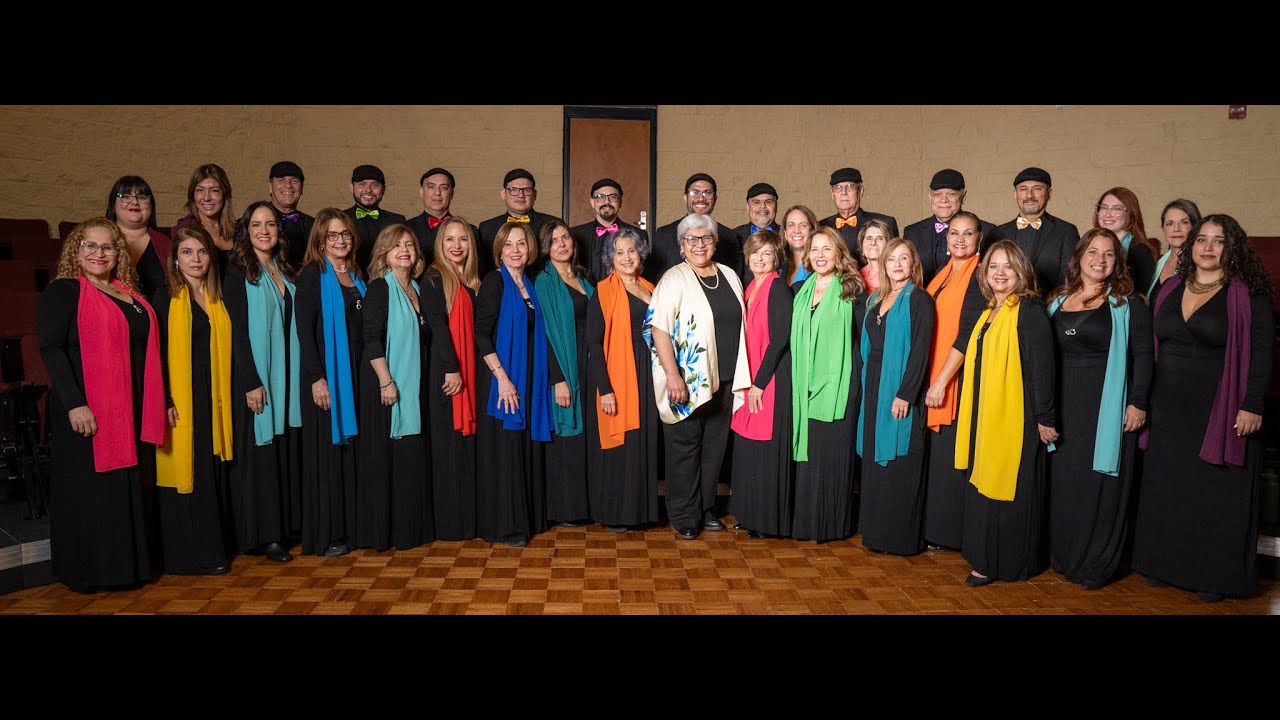
ENCANTUS VOICES
Maibel Troia, Conductor
MASS in G – Ignacio Jerusalem
I. Kyrie
II. Gloria
III. Credo
IV. Sanctus
V. Agnus Dei
Soloist:
Elizabeth Quintanales, Soprano
Orianna Gutiérrez, Soprano
Adriana Portales, Alto
Carlos Silva, Tenor
The performing edition and notes for this mass has been prepared by Drew Edward Davies, Ph.D., Chair, Department of Music Studies at Bienen School of Music and CAO Scholar in Residence.
MASS NOTES
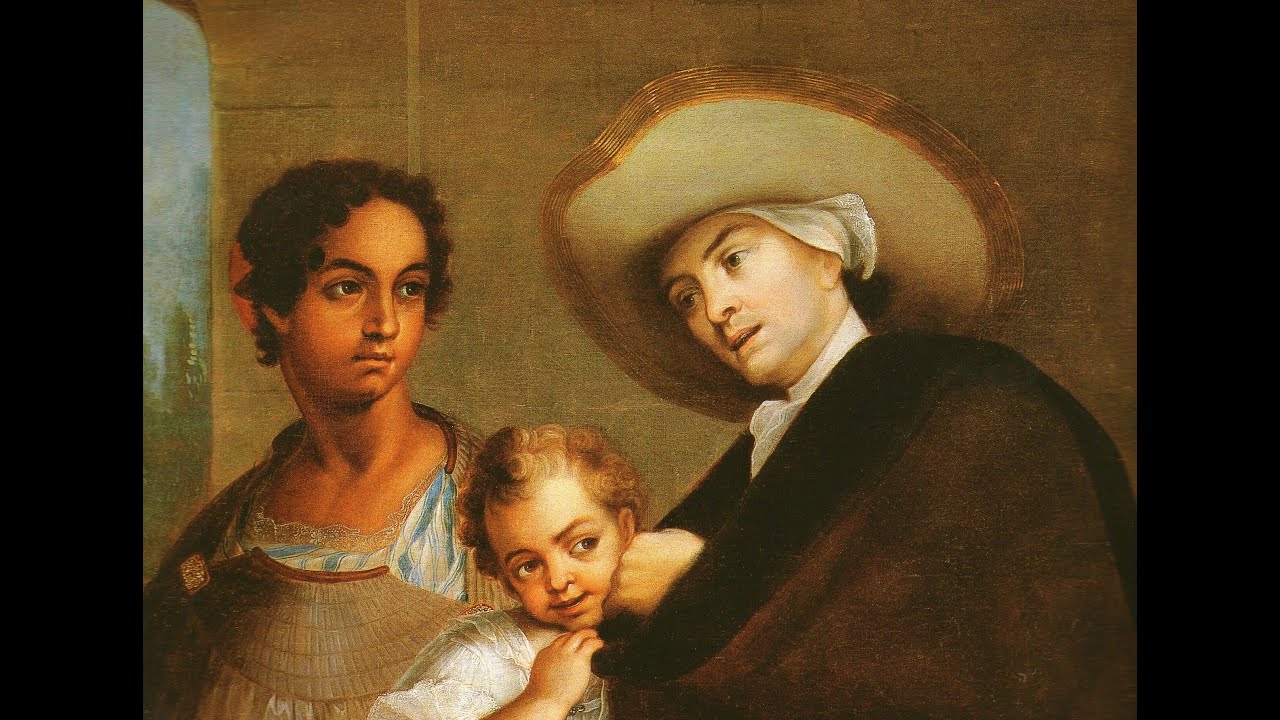
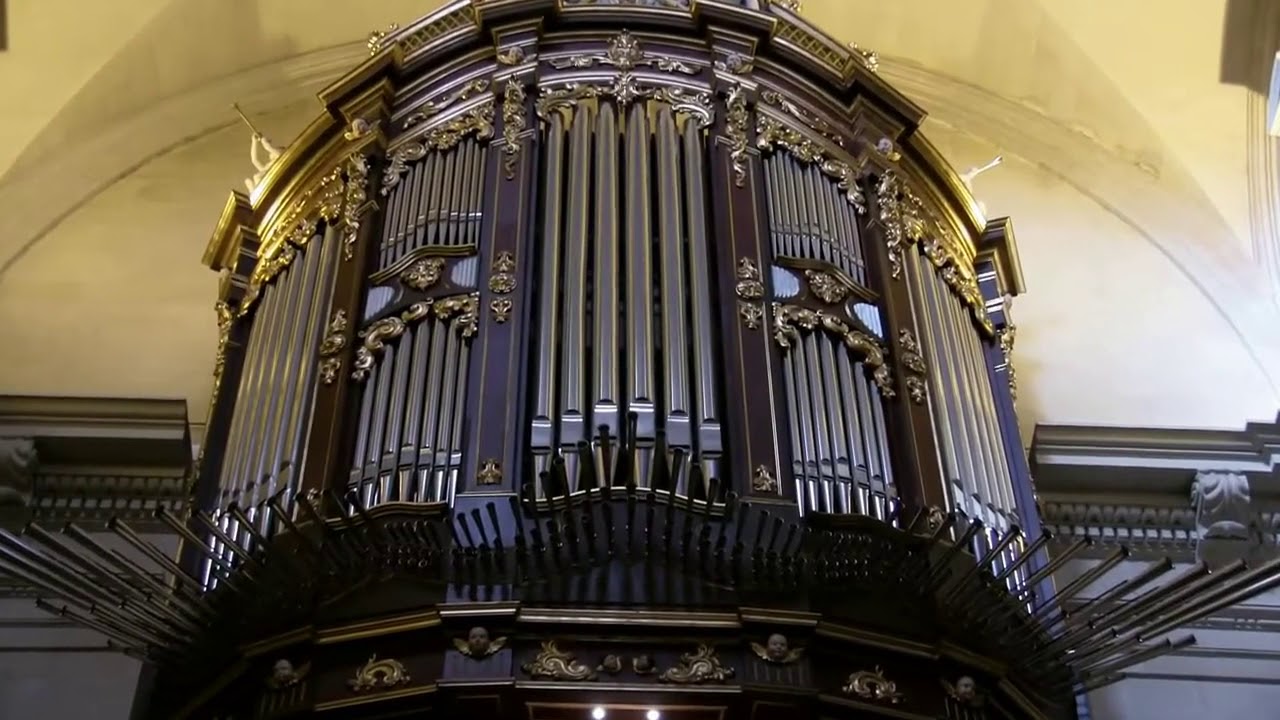
One of the most prolific composers to have worked in New Spain (colonial Mexico), Ignacio Jerusalem (1707-1769) followed an extraordinary musical career that spanned three continents. He was born into a musical family in Lecce, Italy, and later studied in Naples before embarking on a musical posting with a military regiment that would see him stationed in Ceuta, a Spanish enclave on the North African coast, for much pf the 1730s. An accomplished violin, cello, and horn player, Jerusalem performed in departed from the por of Cadiz, Spain, along with several other musicians, for Mexico City in 1743. Jerusalem would remain in Mexico City for the remainder of his life, and from 1750 onward served as chapel master of that city’s prestigious Metropolitan Cathedral, where he wrote over 260 high quality musical works in the “Galant Style”.
The Mass in G Major for four voices, subtitled “de los Niños” in its original score. Five authentic settings of the Mass Ordinary by Jerusalem survive at Mexico City Cathedral, and this one was written in 1767, toward the end of Jerusalem’s career.
As was the case in many Hispanic Masses of the time, especially those composed in New Spain, there is no Benedictus section of the Sanctus (it would have been sung in chant), and indeed the Sanctus and Agnus Dei movements of the Mass are brief. The full meaning of the subtitle “de los Niños” is not entirely clear, but it may refer to the fact that the choral parts are distributed SSAT, scoring with two treble parts that requires greater involvement of choirboys than in a Mass scored for SATB. The subtitle might also serve a practical function to differentiate the Mass from the other one in the same key. The vocal music is divides into only four voice parts, the effect created is of a larger ensemble. In any event, it is not labeled “of the children” because of its ease of performance; to the contrary, it requires elegant, trained singing in all of its parts.
Доступные форматы для скачивания:
Скачать видео mp4
-
Информация по загрузке:




![The Shadow of Calvary: Vivaldi Filiae maestae Jerusalem, RV 638 | [MuseLAB]](https://imager.clipsaver.ru/0sj824OYRoI/max.jpg)