Understanding Ancient Greek Textile Production and the Domestic Economy through Exp. Archaeology
Автор: EXARC
Загружено: 2021-03-31
Просмотров: 3978
Richard Joseph Palmer - UNC Asheville (USA)
See also the article in the EXARC Journal: https://exarc.net/issue-2021-4/at/anc...
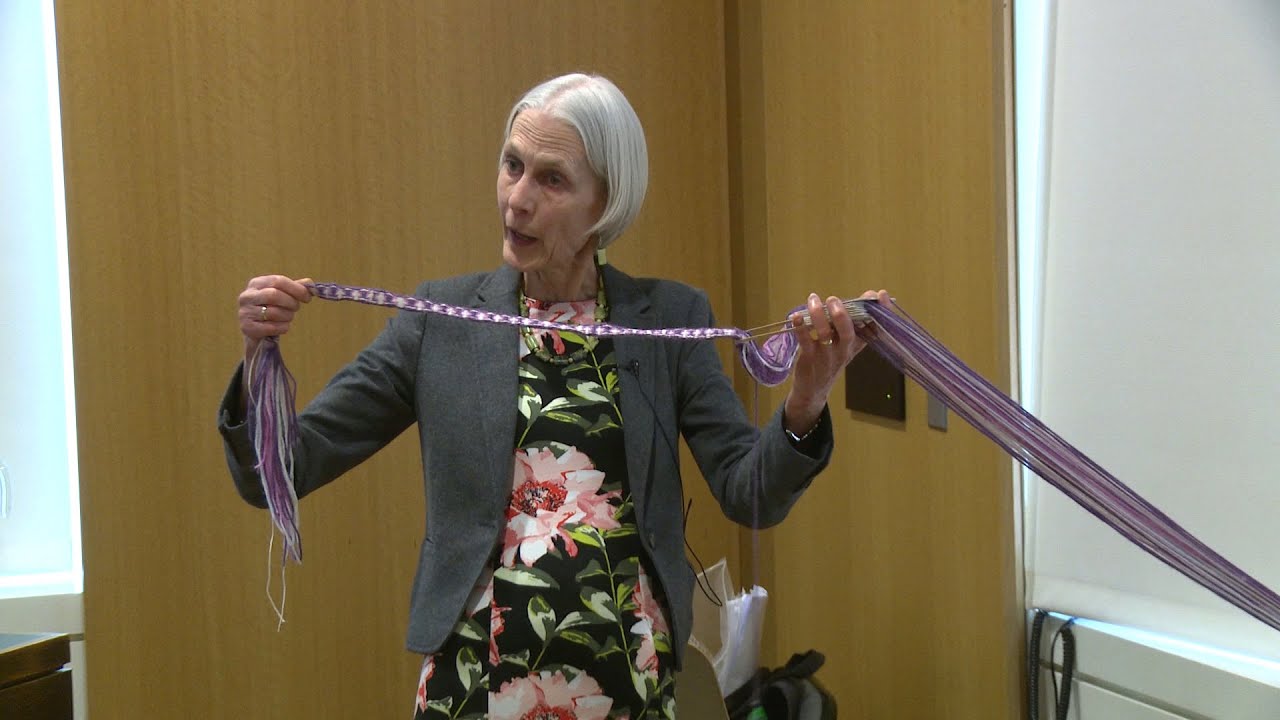
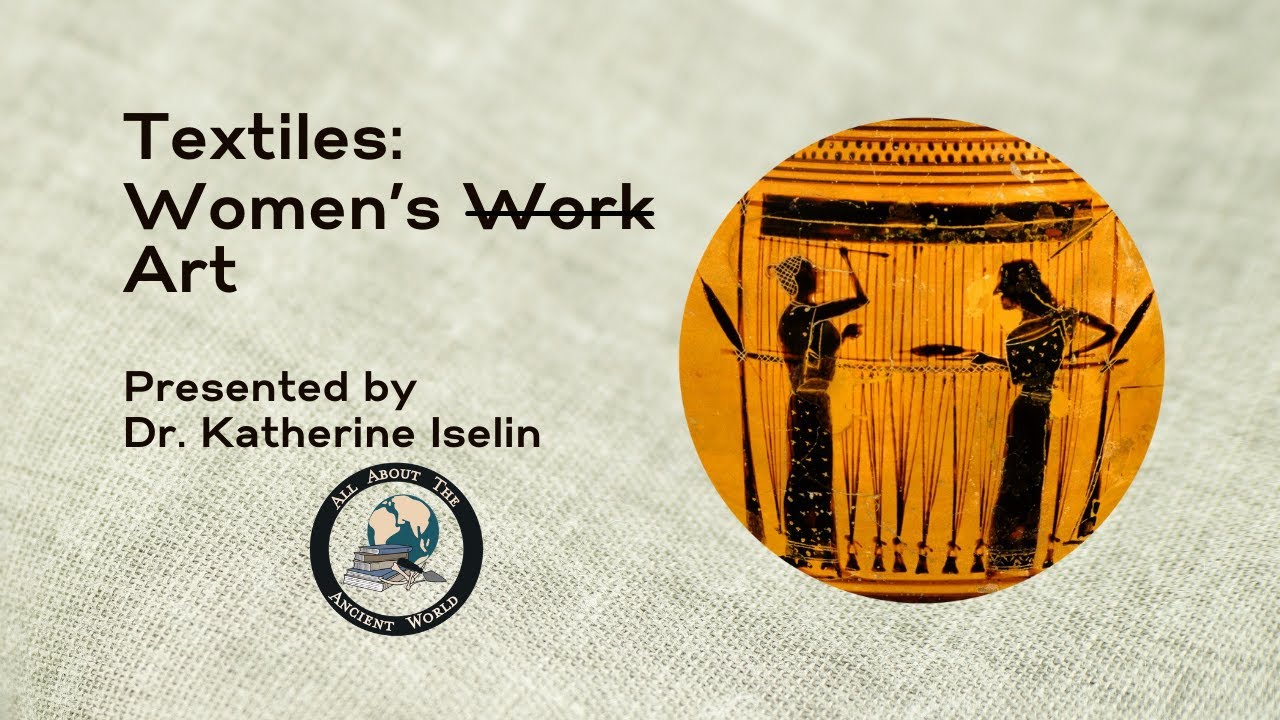
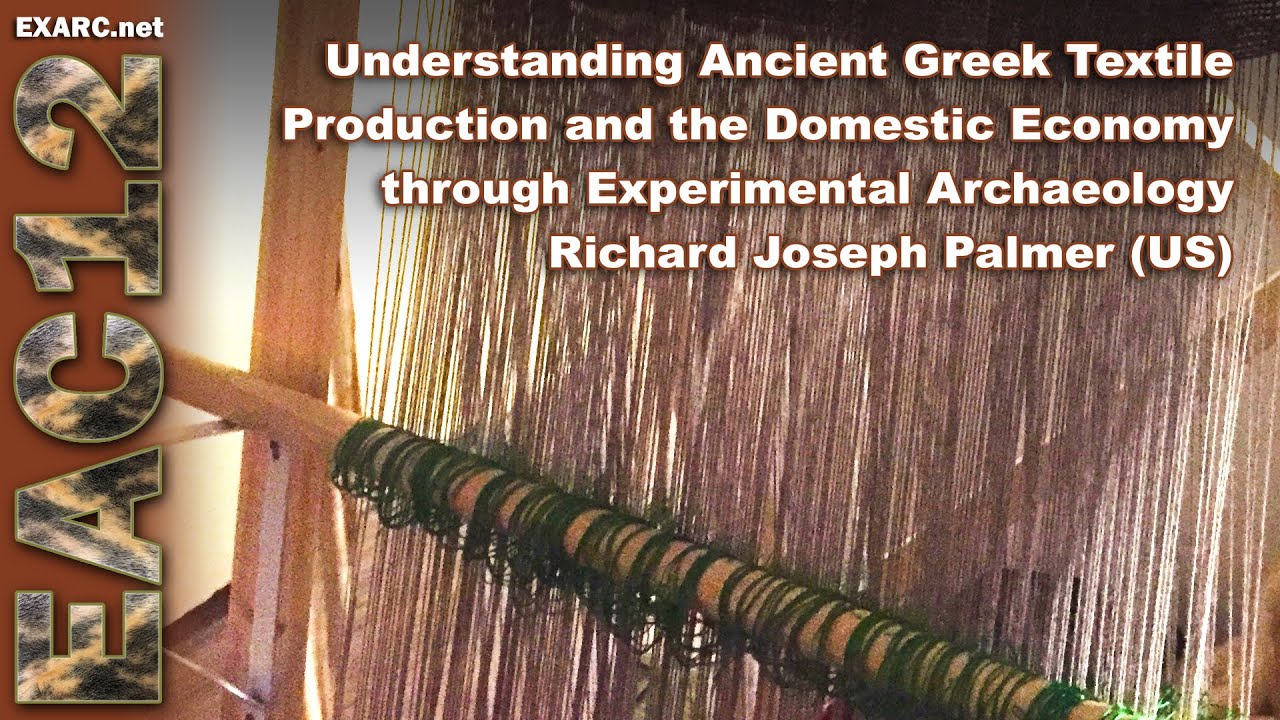
This paper outlines the experimental weaving project of an ancient Greek chlamys to investigate the weaving production capacity of a typical household and reconstruct women’s contribution to household GDP in ancient Greece. While some scholars have researched finer textiles and techniques based on visual evidence, very little is known about the skills and time needed for the production of the most basic clothing form (the chlamys) produced in an ancient Greek domestic setting. The experiment, which involved the creation of a single heddle warp weighted loom based on archaeological and iconographic evidence, found that a team of three weavers could spin and weave this common use textile in roughly three to four weeks. Cutting extra long warp threads made this process easier, as multiple garments can be made with one warp and then separated once they have been taken off the loom. Based on these results, it is possible to calculate the amount of money that an average household could earn in a calendar year. The author estimated that a family could sell enough textiles to make about 60-140 drachmae a year, while still keeping some textiles for their own use. As an experimental archaeology project, this research sheds light on aspects of Greek household economics, the contribution of women’s household labor, and craft production skills within the domestic context.
#EXARC #ExperimentalArchaeology #EAC12
Доступные форматы для скачивания:
Скачать видео mp4
-
Информация по загрузке: