The Bells of Great Easton, Essex
Автор: Ringer Ollie
Загружено: 2025-11-16
Просмотров: 240
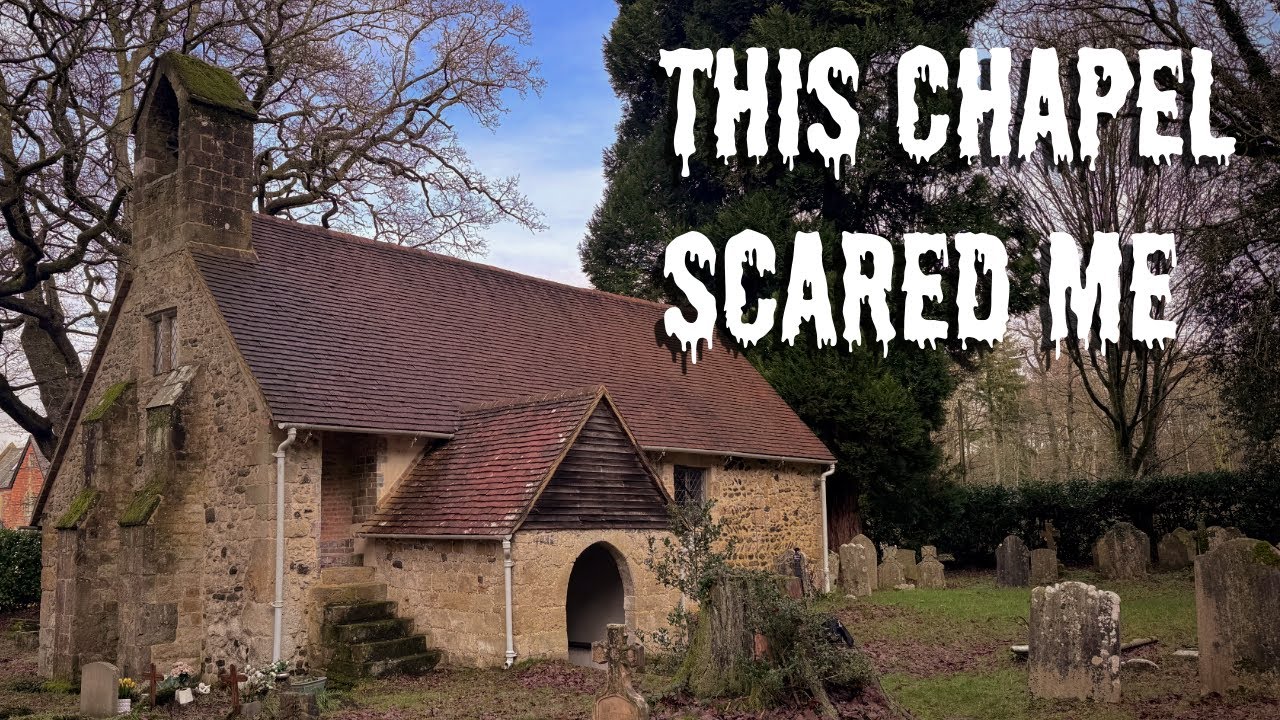
St John & St Giles Church in Great Easton, Essex, stands on an ancient Celtic site and blends rich architectural and social history spanning many centuries. The Norman nave was constructed in the early 12th century, replacing and including elements of an older Saxon church, with the chancel added in the 13th century and a distinctive east window dating to around 1330. The nave features thick eastern walls, suggesting the possible existence of a historic central tower, although no arches remain.
Externally, the church combines the modest 12th-century nave, flint-faced chancel, and a brick bell tower built in 1928 by F. W. Chancellor, mounted on the original west wall. This replaced earlier wooden bell turrets, and the structure itself is Grade I listed, being recognized as outstanding for its architectural and historical value. The only Romanesque detailing remaining is around the south doorway.
The site’s history traces back to at least Saxon times, as documented in the Domesday Book, noting its connection with four manors, woodland, and meadows as well as several priests serving the area in the 11th century. In medieval times, the church and its parish played a vital role in local life and economy, closely associated with Tilty Abbey, which was founded nearby in 1153 and lasted until the Dissolution of the Monasteries in 1536.
The area surrounding St John & St Giles Church, near the village green and war memorial, is also home to a 20-foot high earthwork believed to be the remains of a motte castle, likely constructed in the mid-12th century as a defensive stronghold during the period of civil war known as “The Anarchy.” This rich combination of architectural evolution, religious history, and social change makes St John & St Giles Church a central site in the narrative of Great Easton’s heritage.
The tower holds a ring of six bells. The treble and tenor were cast in 1928 by John Taylor & Co. The 2nd, 3rd and 4th were cast in 1665 by John Hodson and the fifth in c1440 by William Chamberlain. The bells hang in a cast iron frame by John Taylor & Co, dating from the 1928 rehanging. At the time of uploading, ringing at the tower has been suspended, while the bells are rehung and the treble and 4th retuned.
6 bells, 11-2-10cwt in G.

Доступные форматы для скачивания:
Скачать видео mp4
-
Информация по загрузке:


![Berlin 1930s in Color, A Rare Glimpse Before WWII [60FPS, Remastered] w/ Sound Design Added](https://imager.clipsaver.ru/cC_RqTTT2u4/max.jpg)





![Звон знаменитых колоколов в Лекко и великолепный закат над горами [4K]](https://imager.clipsaver.ru/HRRYYojmgMg/max.jpg)