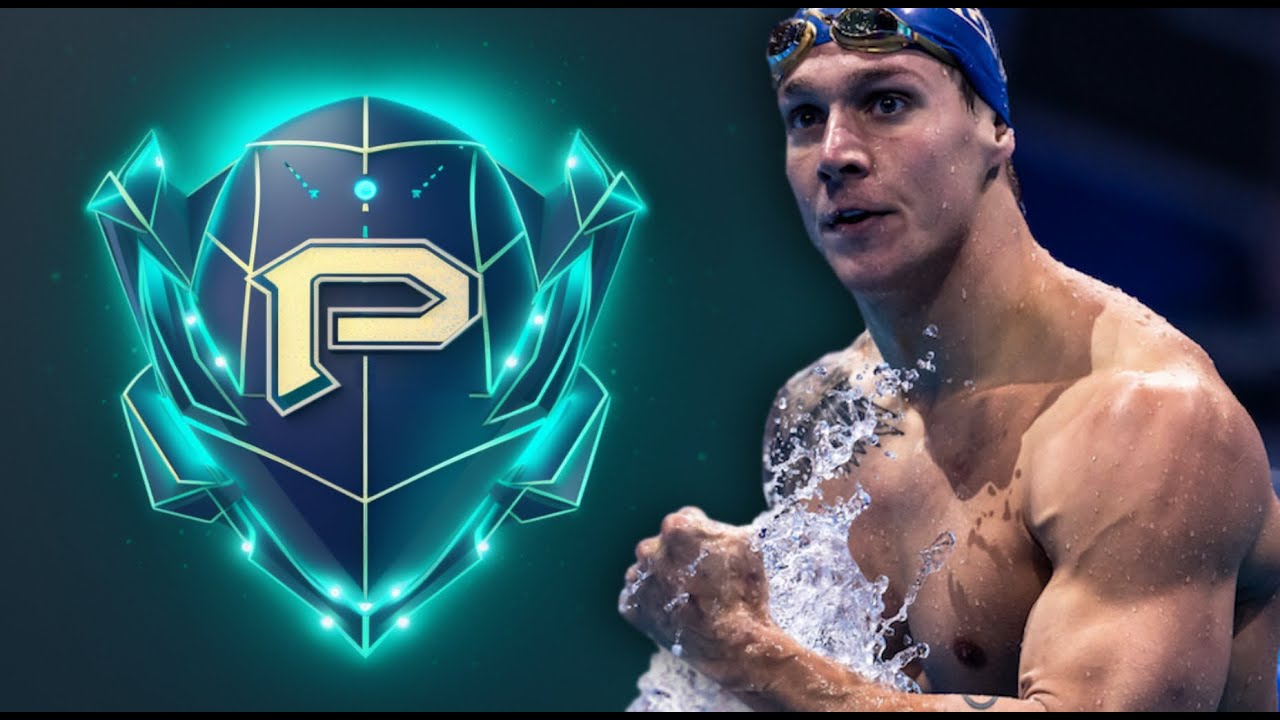
The History of the International Swimming League & How It Works (ISL Season 3)
Автор: Big Friendly Swim Podcast
Загружено: 2021-09-07
Просмотров: 1204
Subscribe for more!
Interview with Tom Shields and More Swimming Content!
• How The Pandemic Forced Tom Shields to Mak...
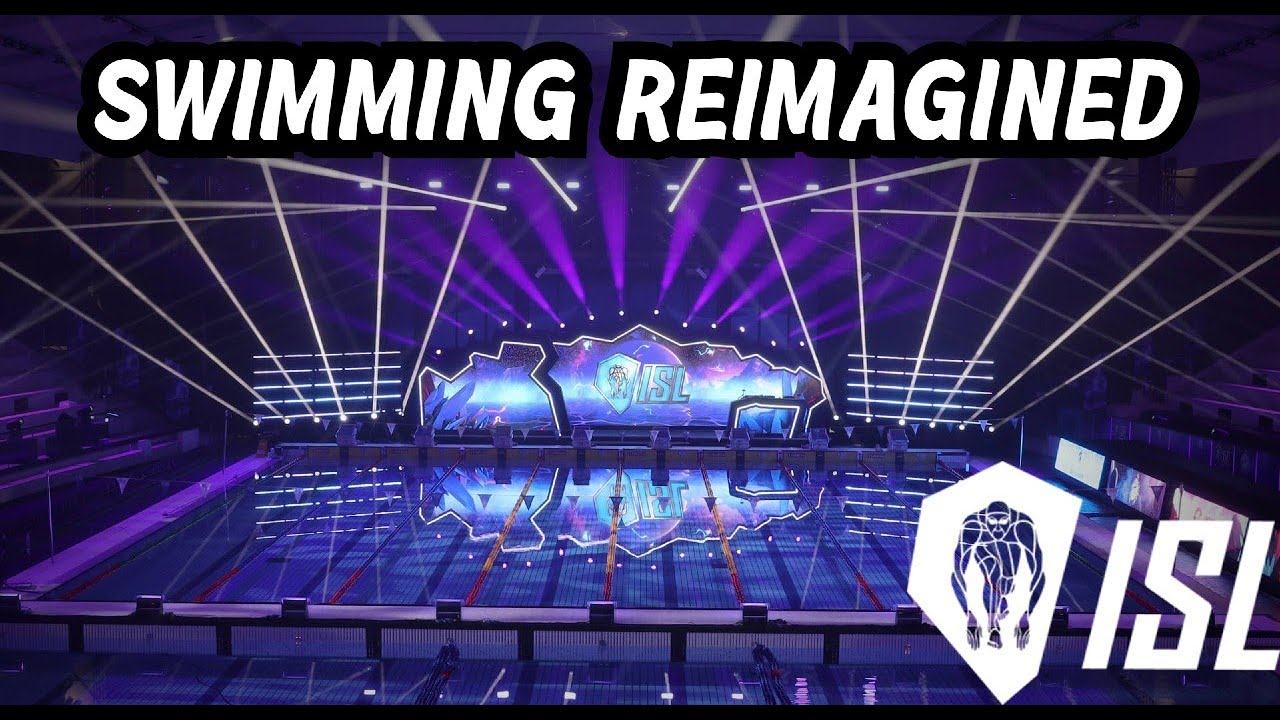
The ISL has been an extremely positive addition to the swimming world over its first 2 seasons and now leading into its 3rd. Over it’s 3 year debut it has been a gateway to many new breakout stars in the swimming world. It even managed to bring Natalie Coughlin out of retirement for a few races in its first season. The league has been a mostly positive addition to the swimming world (vendors and athletes not getting paid? I know nothing about that). In it’s season 1 debut, the ISL featured just 8 teams. Energy Standard, Cali Condors, LA Current, DC Trident, New York Breakers, London Roar, and the Aqua Centurions made up the original roster.
Each team can bring 32 athletes onto its roster. At each meet 28 athletes can compete- 12 athletes plus 2 more relay only swimmers.
The initial launch of the ISL was planned for December 2018, with an inaugural event called “Energy for Swim”. However, FINA threatened competition bans for athletes who took part in any competition related to the ISL. However, athletes like Adam Peaty and Katinka Hosszu called FINA’s bluff. If FINA banned all of the top athletes in the world they would lose extraordinary amounts of revenue. In the end, FINA relented, but not without the petty decision to announce the “FINA Champions Series”, a clear worse copy of the ISL, in which the the top 4 athletes in the world would compete in races for cash prizes.
ISL matches operate on a simple points scale. 4 points are awarded to 1st place in team competition, with 3 for 2nd, 2 for 3rd, and 1 for 4th. Each match takes place over 2 days and runs for 2 hours a day. Some notable names heading up ISL teams in its opening season include Jason Lezak and Lenny Krayzelburg managing the Cali Condors and the LA Current. Season 1 featured a regular season, followed by 2 derbys, American & European. The teams with the most overall points would advance to the Las Vegas final. 2 world records were broken in the first season. World Champion Daiya Seto broke Ryan Lochte’s long standing world record in the 400 IM, and Minna Atherton broke the world record in the women’s 100 backstroke. Both records still stand today. With its first season coming to a close, the ISL proved swimming could be extremely fun and engaging to casual fans even in non Olympic years. Energy Standard, boosted by Seto’s world record and the loaded team led by Sjostrom and Le Clos, won the championship final handily.
Season 2
In Season 2, the ISL grew to 10 overall teams. With the inclusion of the Tokyo Frog Kings and the Toronto Titans, the league was proving itself to be a great opportunity for world swimmers. Season 2 also featured a massive licensing deal for the league with CBS. Additionally, the introduction of the jackpot system provided some initial confusion. Let’s say Caeleb Dressel is competing in the 100 fly. Somehow this relatively unknown swimmer manages to eak out a win. 8th place finishes 2.00 seconds behind Dressel. That swimmer’s points are now jackpotted and go to Dressel. Each event has a cutoff time, and athletes slower than said cutoff time have their points jackpotted to the 1st place swimmer. Season 2 was a huge expansion on season 1, and the inclusion of 2 new teams helped bolster the competitive edge that the league already had. Multiple new world records were set in season 2, with Caeleb Dressel being responsible for 2 of them, the 50 freestyle and the 100 butterfly. The ISL provided gateway for many athletes to emerge as world class contenders. Beryl Gastaldello and Siohban Haughey both had major breakout seasons in 2020, setting ISL records in multiple event a-piece. Veterans as well were able to breath new life into their swimming. Tom Shields was a powerhouse in butterfly, winning all of the distances multiple times over season 2, even setting a new American record in the 200 meter butterfly, and nearly breaking the world record in the 100, but missing out because Dressel was faster. Shields would later go on to make his 2nd Olympic team and win a gold medal on the 4x100 medley relay. For more about Shields, check out my interview with him in the description below! The Cali Condors, Energy Standard, London Roar, and LA Current made up the championship final lineup for a second time in season 2, but it was the Condors who came away with a decisive victory in part thanks to Dressel’s 2 world records.
Follow My Twitch Here!
/ hzmusicstand
Daily Upload December!
/ playlist
list=PLd36Q9Jus1ChT_O5ghmjUQLDgBwOifjhL
Agents of Shield!
• Agents of Shield
Bedwars!
• Bedwars
caeleb dressel world record
#isl2021 #isl

Доступные форматы для скачивания:
Скачать видео mp4
-
Информация по загрузке: