Porsche 911 GT3 RS Drawing | CoreXY Pen Plotter in Action
Автор: Draftsmith Studio
Загружено: 2026-01-15
Просмотров: 3
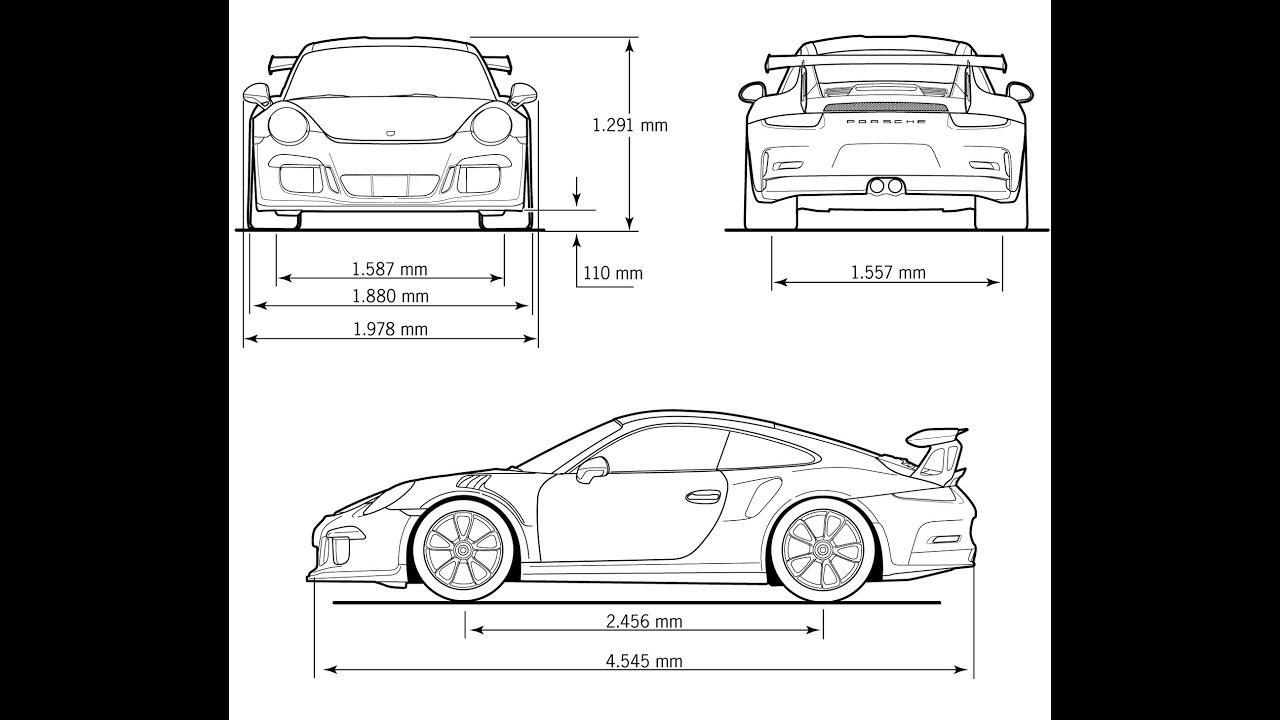
Pen plotting art, pen plotter drawing, and plotter art converge as I plot a Porsche 911 GT3 RS blueprint plate from clean SVG linework in Inkscape. This build focuses on thin, consistent strokes, readable dimensions, and the traditional feel of a drafting sheet. Front, rear, and side views are arranged like an old-school technical plate and then drawn in real ink on paper.
This piece sits in the long arc of learning to draw slowly with a machine: iterate the vectors, reduce visual noise, and let precision come from restraint rather than speed. The discipline is the same as traditional drafting - clear hierarchy, continuous lines, and decisions that favor legibility over decoration. Every revision teaches something about curves, corners, and what the pen actually does when the plotter changes direction.
Pen plotter - iDraw H SE CoreXY (A3/A2 class). The rigid tabletop frame and CoreXY motion help keep long curves stable and corners cleaner, especially when the drawing has lots of tight radii and parallel outlines.
Software - Inkscape 1.43. Used for true vector editing, node cleanup, layer organization, and exporting plot-ready SVG with consistent stroke behavior.
File format - SVG. Keeps geometry exact, scales cleanly, and preserves path intent for continuous plotting.
Paper - 24 lb / 90 g/m2 grey practice paper. The slightly heavier sheet resists buckling and helps gel ink stay crisp without feathering.
Pen - Sakura Gelly Roll 08 red. Gel ink provides high contrast on grey paper and makes blueprint-style plates legible at a glance.
Workflow notes - prioritize continuous paths where possible, simplify nodes only after checking curves, and keep stroke widths visually consistent so dimensions and outlines stay readable.
What is pen plotting art, and how is it different from printing?
Pen plotting art is drawn with a real pen that moves across the paper, creating continuous strokes rather than sprayed dots or toner. That physical contact makes line quality, pressure, speed, and paper choice part of the final look.
How do you create a blueprint-style technical drawing for a plotter?
Start with true vectors, then organize views and dimensions like a drafting plate: consistent scale, clear baselines, and readable callouts. Keep line hierarchy simple so outlines, internals, and dimensions do not compete.
Why does CoreXY matter on a pen plotter?
CoreXY can reduce moving mass and improve stability during rapid direction changes, which often results in cleaner corners and smoother arcs. It is not magic, but it helps when the drawing has long curves and repeated parallel lines.
Which pen works best for crisp technical linework?
Fine liners are great for ultra-thin strokes, but gel pens can produce strong contrast and smooth fills on darker paper. The best choice depends on whether you want hairline precision or bold, blueprint-readable text without feathering.
How do you prevent stray dots, wiggles, or doubled lines in plotted drawings?
Clean the SVG first: remove tiny fragments, reduce overlapping duplicates, and check for open nodes that cause micro-moves. Then slow down on dense detail areas and keep pen travel and pressure consistent to avoid blotting.
Can you plot directly in Inkscape, and which settings matter most?
Yes, Inkscape is a common hub for plotter workflows because it handles SVG cleanly and supports plotter extensions and tooling. The settings that usually matter most are speed, pen lift behavior, and how paths are interpreted when the plotter encounters separate objects.
How accurate are pen plotter dimensions on a drawing like this?
A plotter can be mechanically consistent, but plotted "dimensions" on an art plate are typically visual callouts unless you calibrate the scale and confirm with test marks. If you need true scale, verify it against a calibrated calibration plot and lock your SVG units.
What is the most common mistake when plotting technical drawings?
Too much detail without hierarchy. If every line has equal weight and density, the drawing turns into a tangle, and the dimension plate stops reading like a technical sheet.
The key decision here is restraint: fewer visual tricks, more attention to continuity and legibility. Blueprint plates work when the viewer can read the form instantly, then discover the smaller structures second. That is traditional draftsmanship translated into plotter constraints - the pen does not forgive clutter, and the best results come from deliberate simplification.
Watch a machine precisely render a sports car's technical schematics, showcasing the intricate process of car design. This video demonstrates the capability of mechanical drawing in creating detailed automotive illustrations. The entire process from initial lines to a fully dimensioned side profile offers a unique look into technical drawing.
Доступные форматы для скачивания:
Скачать видео mp4
-
Информация по загрузке: