LNER IC125 & IC225 'End of an era' 2019
Автор: Banjostrings07 HD
Загружено: 2019-10-27
Просмотров: 2883
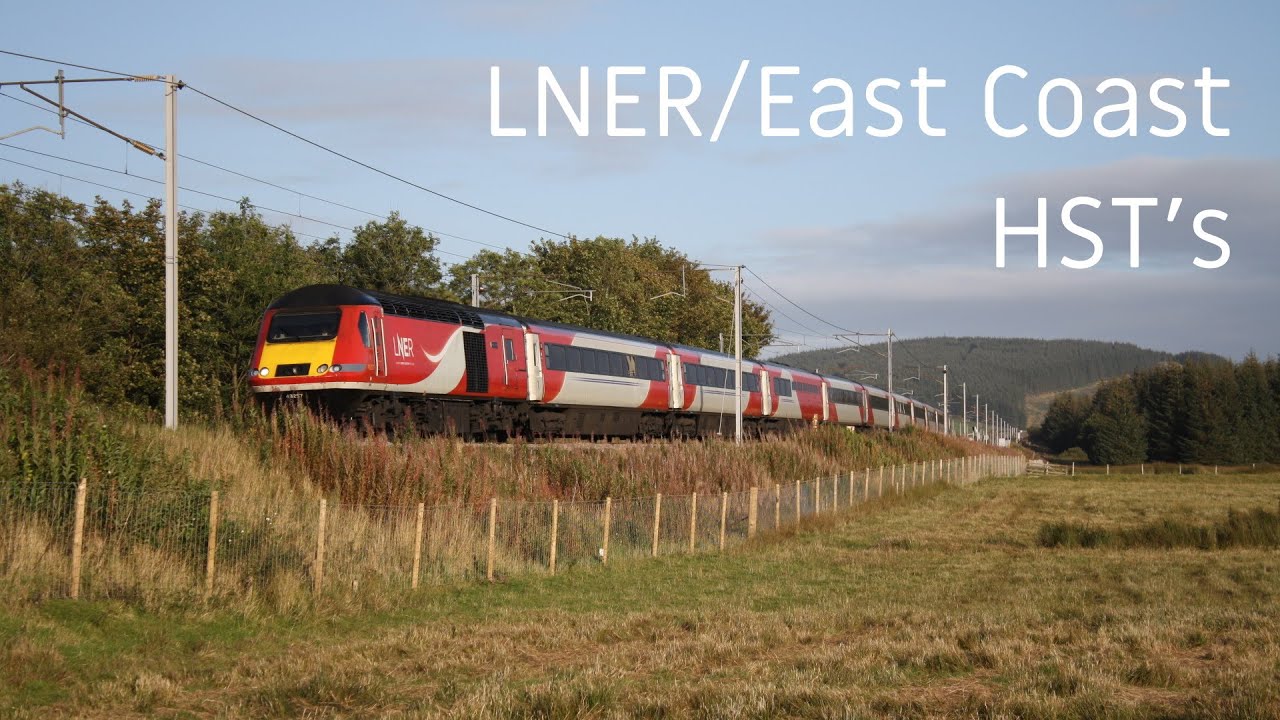
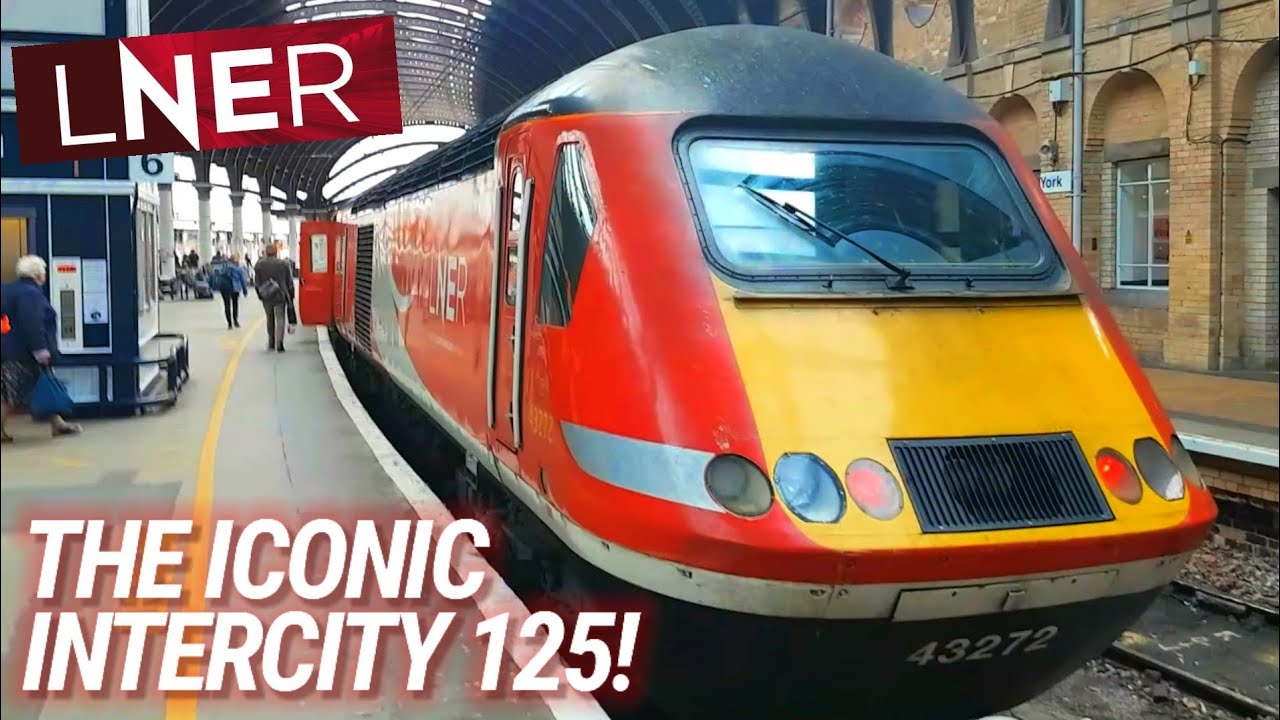
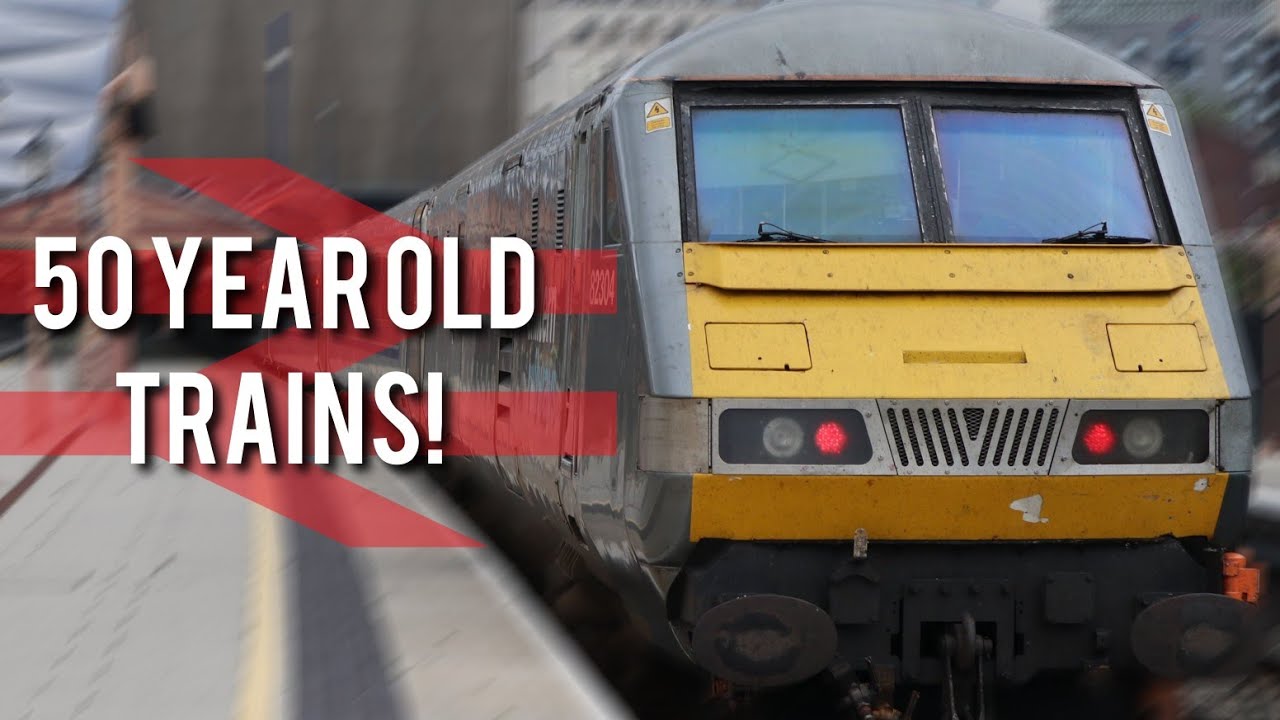
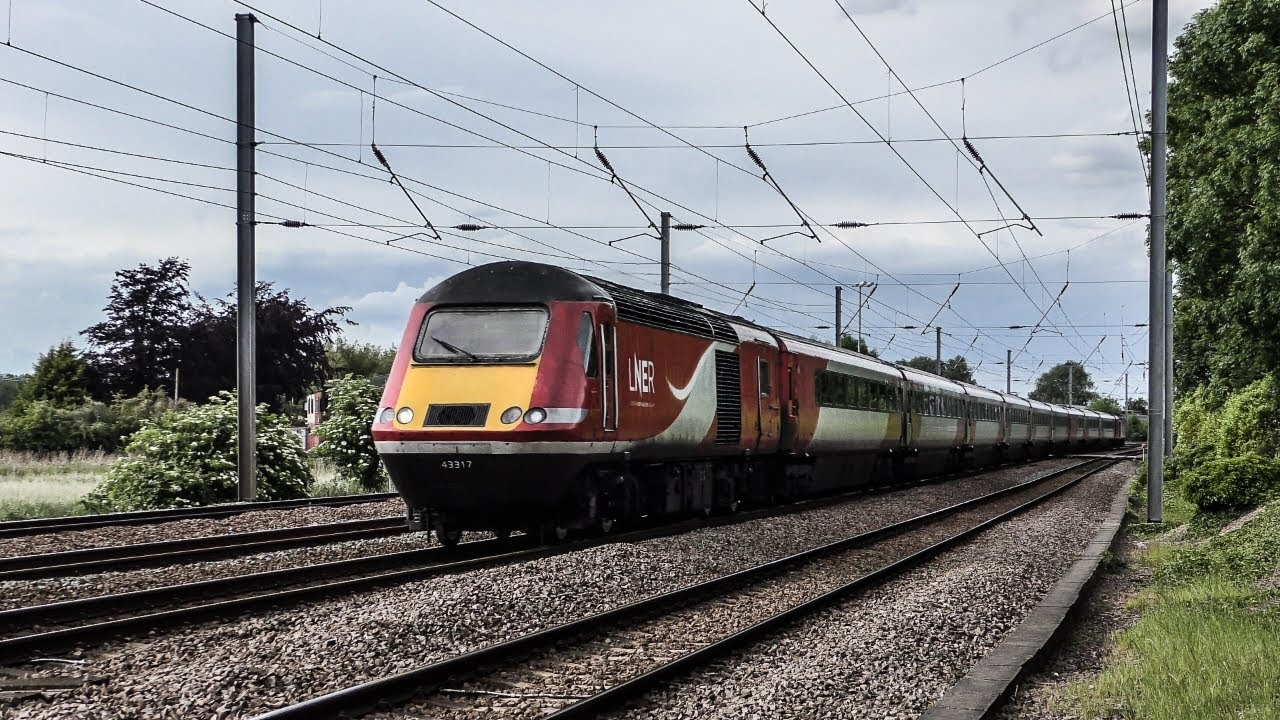
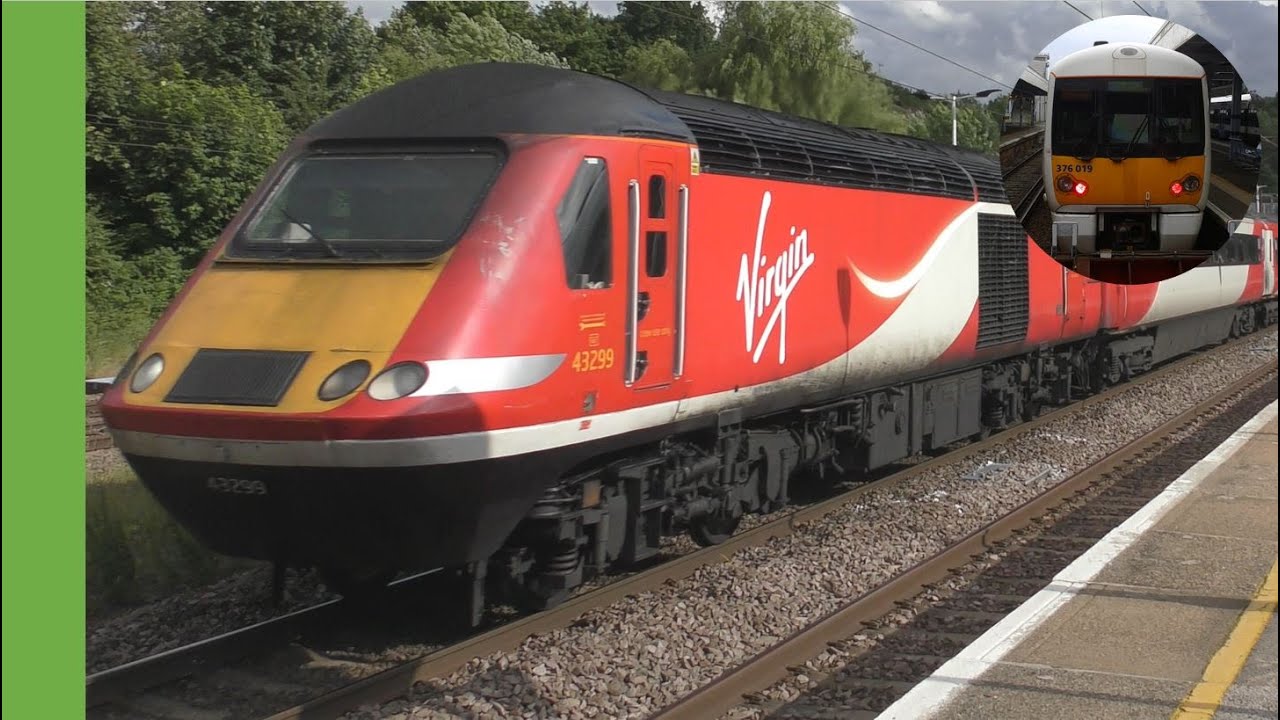
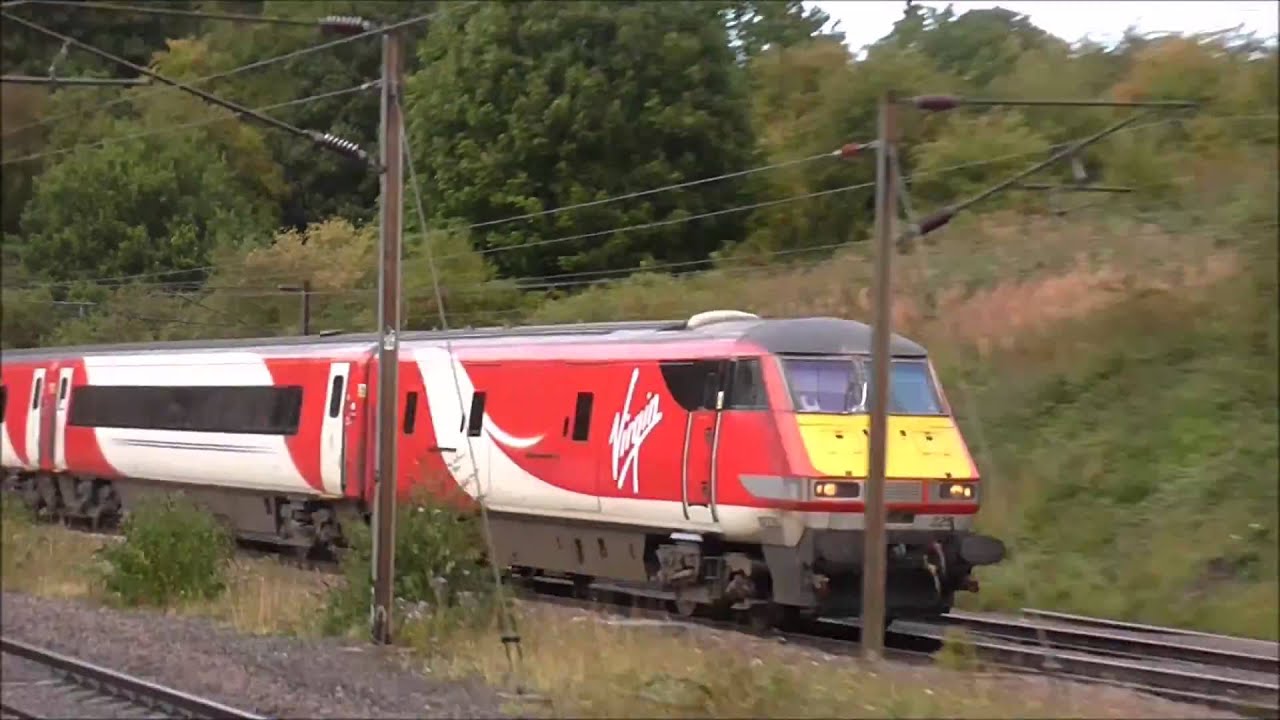
LNER's heritage fleet: Class 43 HST (IC125) and the Class 91 'Electra' (IC225) with mk4 stock + DVT.
After a recent trip to York the other day I realised the sudden take over of the IEP/IET Class 800. I decided to catch one to Doncaster to see what they are like, the acceleration is great! However the isles are narrow and the seats are not as comfy as MK3 and MK4 stock.
A lot of people say these IEPs/IETs are the future, in some cases I agree but I think they have quite a reputation to live up to considering the success of the HST & MK4 sets. I refer to the LNER fleet as heritage as they are last generation but they set the bench mark for any future replacements.
Comment what you think...
Class 43
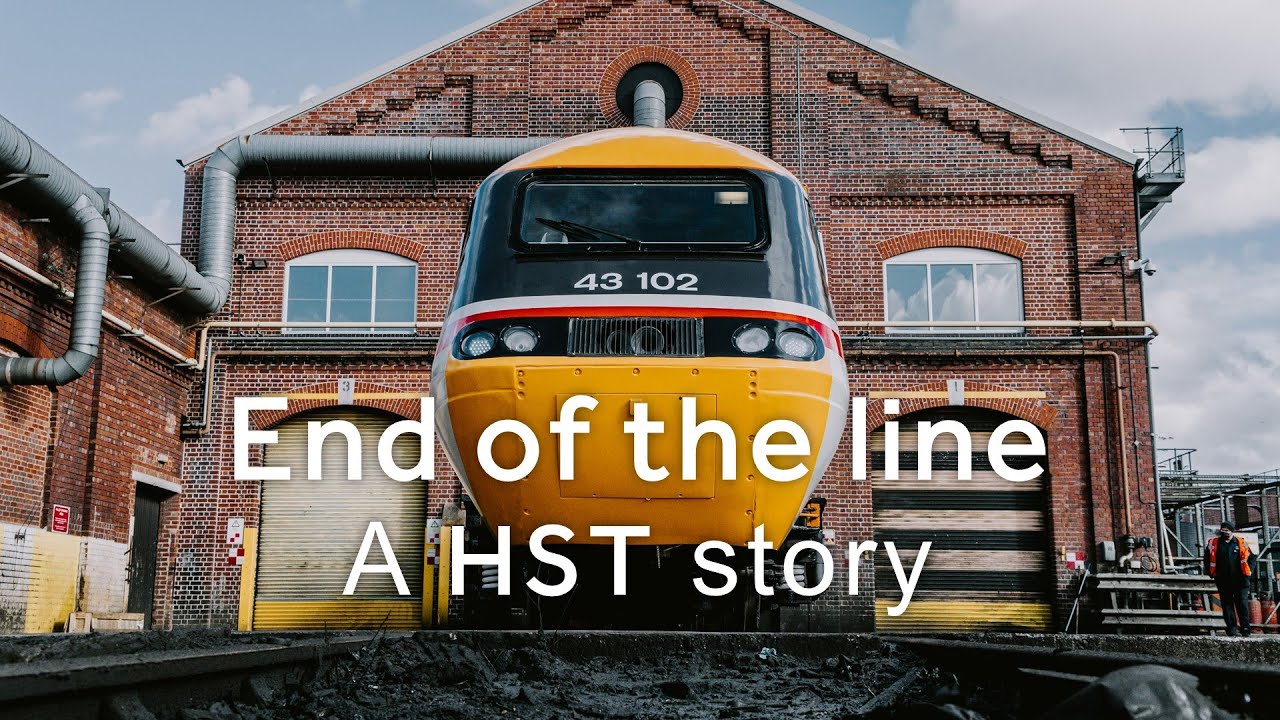
The British Rail Class 43 (HST) is the TOPS classification used for the InterCity 125 High Speed Train (formerly classes 253 and 254) power cars, built by British Rail Engineering Limited from 1975 to 1982, and in service in the UK since 1976.
The class is officially the fastest diesel locomotive in the world, with an absolute maximum speed of 148 mph (238 km/h), and a regular service speed of 125 mph (201 km/h). The record run was led by 43102 and trailed by 43159.
Class 91
The British Rail Class 91 is a class of high-speed, 4,830 kW (6,480 hp) electric locomotives ordered as a component of the East Coast Main Line modernisation and electrification programme of the late 1980s. The Class 91s were given the auxiliary name of InterCity 225 to indicate their envisaged top speed of 225 km/h (140 mph), and were also referred to as Electras by British Rail during their development, and throughout the electrification of the East Coast Main Line. The other end of the InterCity 225 train set is formed of a Mark 4 Driving Van Trailer, built with a similar body shell to the Class 91 locomotives. The locomotive body shells are of all-steel construction. Unusually, the motors are body mounted and drive bogie-mounted gearboxes via cardan shafts. This reduces the unsprung mass and hence track wear at high speeds. The locomotive also features an underslung transformer so that the body is relatively empty compared to contemporary electric locomotives. Much of the engineering specification for the locomotive was derived from the research and operational experience of the APT-P.

Доступные форматы для скачивания:
Скачать видео mp4
-
Информация по загрузке: