How Calcium Availability Impacts Yield, Nutrient Efficiency, and Soil Health | Haney Test Breakdown
Автор: Singular Agronomics
Загружено: 2025-05-08
Просмотров: 5088
Check out our Website!
https://singularagronomics.com
Check out our full product line here!
https://singularagronomics.com/products/
Are you interested in any of our line of products, or want to learn more? Follow the link below to find a dealer closest to you!
https://singularagronomics.com/contact/
Check out our Quarterly Newsletter:
https://singularagronomics.com/newsle...
Blog:
https://singularagronomics.com/blog/
Want to become a Distributor?
Email Us: info@singularagros.com
Check us out on Social Media!
Instagram: / singular_agronomics
Facebook: https://www.facebook.com/profile.php?...
How Calcium Availability Changes Everything in Soil Health 🌾
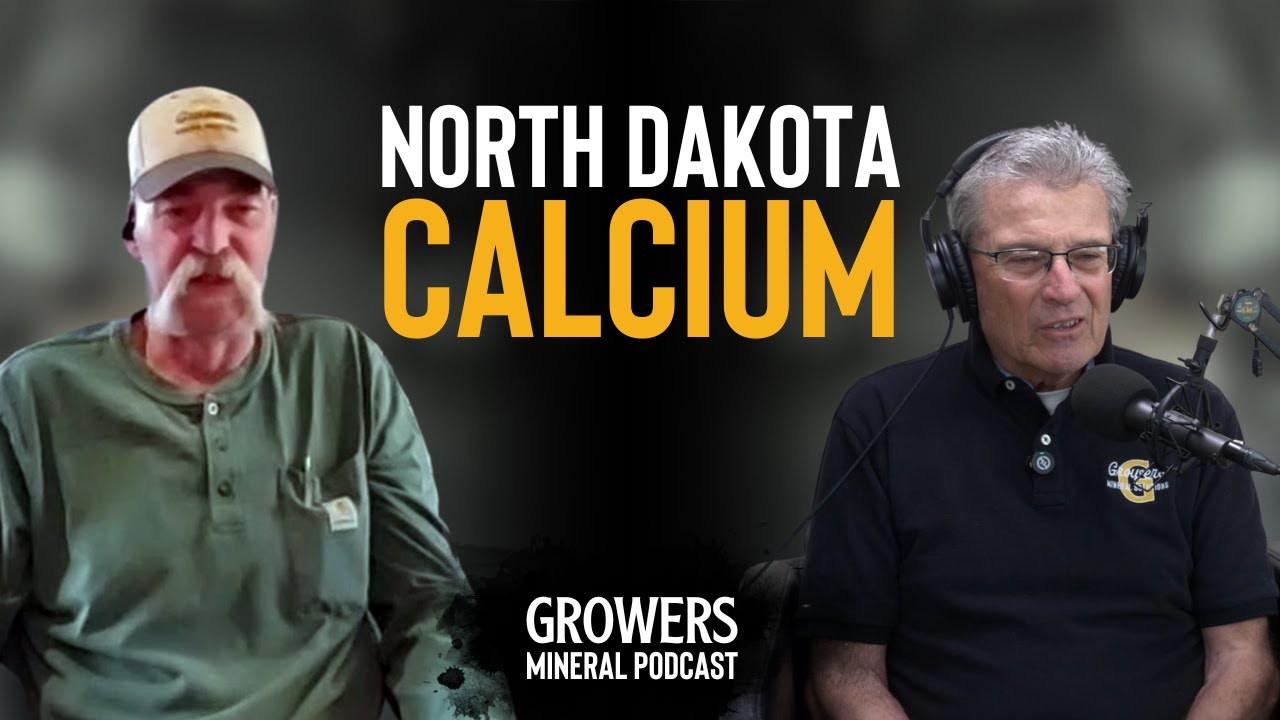
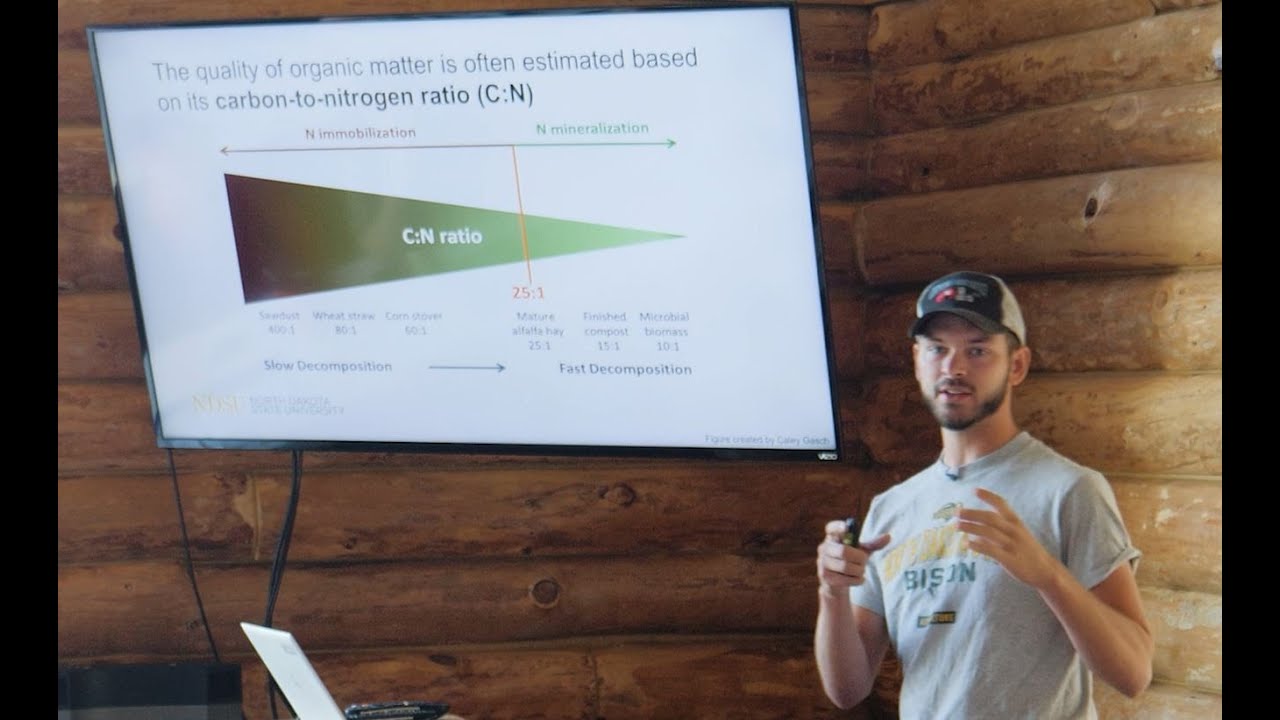
In one of our recent podcasts, we dove into the surprising power of calcium—specifically, how it shows up in Haney soil tests and what it means for your farm's biology and yield potential. One thing we’ve seen? When a Haney score pushes past 700 (and especially beyond 900), things start clicking—nitrogen, phosphorus, and potassium efficiency all improve dramatically. But what’s the link?
It turns out that Haney-extractable calcium may be one of the most underappreciated indicators of a thriving biological system. In one example, we looked at an organic field applying just 10–15 pounds of actual nitrogen from fish hydrolysate—far below what conventional nitrogen calculators would recommend. But with the right biology, legumes, manure, and a strong calcium score, that field yielded 230+ bushel organic white corn.
What was the main difference on paper? Calcium. Specifically, available calcium—what the biology can actually use. This started a deeper dive into what calcium is really doing in the soil. There’s a popular saying that “calcium is the trucker of nutrients,” while boron sits at the steering wheel. Together, they help move nutrition into the plant.
So What’s the Right Calcium Source?
We broke it into three jobs calcium can play:
Calcium for pH adjustment – this is your ag lime. Long-term, slow-acting.
Calcium for soil structure – this is where gypsum shines. Sulfur helps knock excess magnesium or potassium off the colloid, and calcium improves flocculation and tilth.
Calcium as plant food – think liquid calcium or faster-reacting forms. Pelletized gypsum also plays a role here.
Pelletized lime, while useful in some situations, isn’t a long-term fix for structure or fast calcium availability. And if your lime source is high-mag, it might even be working against you on already tight soils.
Reading Your Buffer pH Correctly 🧪
We also tackled a common confusion: What if your soil pH is 5.8 but your buffer pH is 6.8? What do you treat?
The answer: buffer pH tells you how easy it is to change the actual pH. The closer your buffer pH is to 7, the less amendment you’ll need to shift pH. Think of it like the soil’s willingness to accept calcium—if there are a lot of open parking spots, you can shift it quickly.
A low soil pH with a high buffer pH means you can likely apply lime and see fast, efficient results. But if both are low (say, pH 5.0 and buffer 6.2), it may take more lime or you might need to start looking at strategic banding or layering in soluble calcium to get plant-available results while biology catches up.
Takeaway
If your farm has underperforming spots or you’re not seeing the yield response from your nutrients, start by testing calcium availability—not just total levels, but what’s bioavailable. And always pair that with a look at your buffer pH.
Gypsum, humics, fish hydrolysate, legumes—these all play roles, but calcium is often the key driver behind unlocking them.

Доступные форматы для скачивания:
Скачать видео mp4
-
Информация по загрузке: