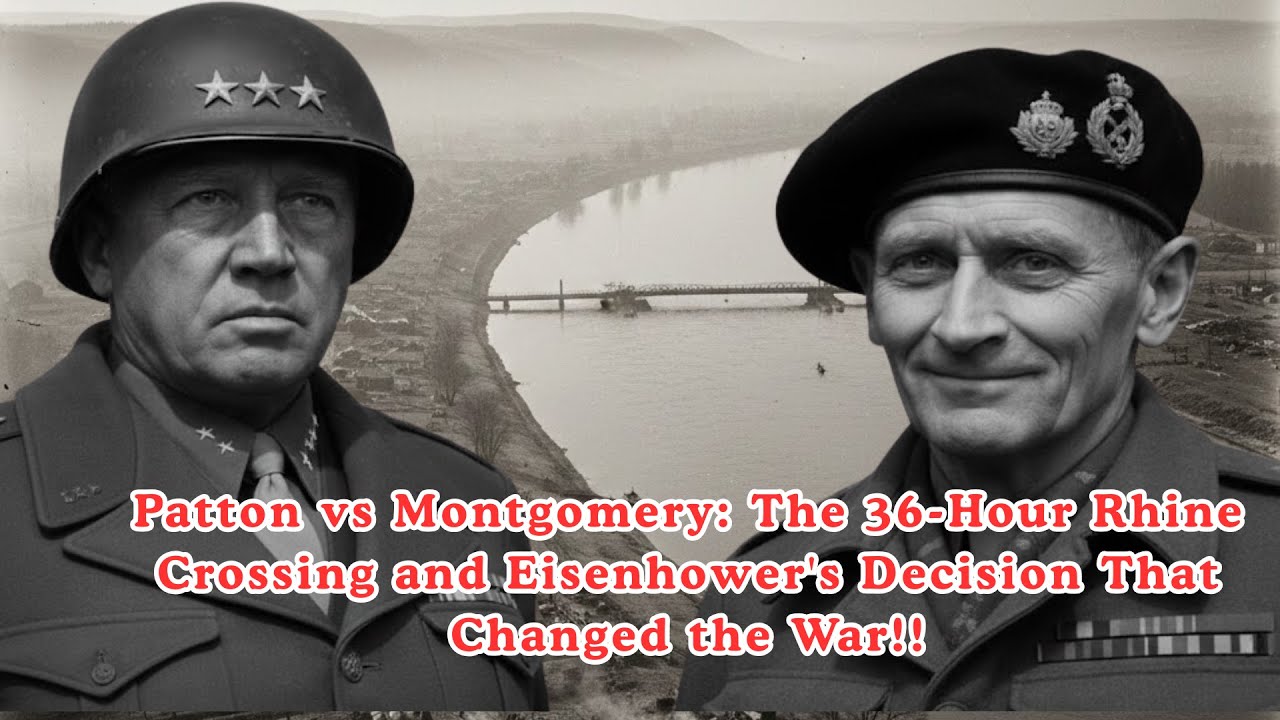
Patton vs Montgomery: The 36-Hour Rhine Crossing and Eisenhower's Decision That Changed the War
Автор: The Whisper Past
Загружено: 2026-01-17
Просмотров: 18
Patton vs Montgomery: The 36-Hour Rhine Crossing and Eisenhower's Decision That Changed the War
March 1945. The Rhine River—Germany's final natural defense.
Field Marshal Bernard Montgomery spent months planning what he believed would be the most perfectly executed river crossing in military history. Operation Plunder: 80,000 troops, 5,000 artillery guns, airborne divisions, and a timeline locked to the minute.
But 60 miles south, General George S. Patton received intelligence that changed everything. The eastern bank near Oppenheim was barely defended. German forces had concentrated north, waiting for Montgomery's massive assault.
Patton didn't ask for permission. On the night of March 22nd, 1945, he ordered his Third Army to cross immediately.
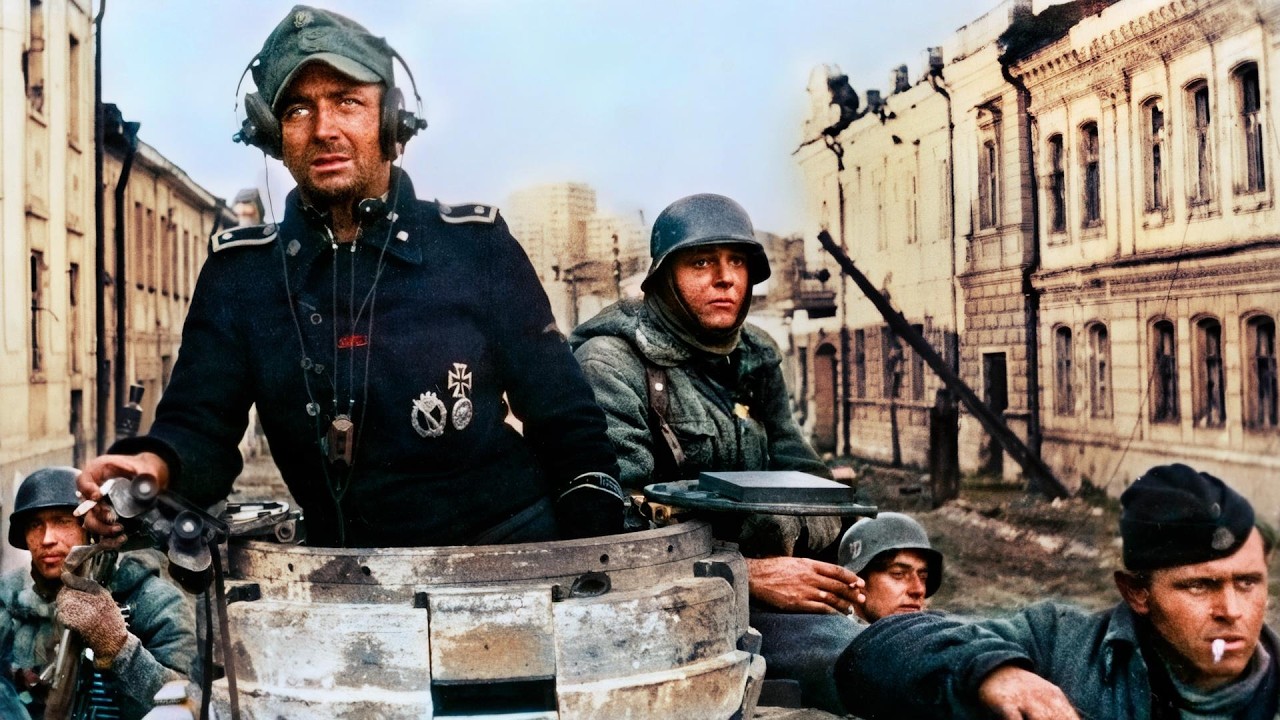
By sunrise on March 23rd—the same morning Montgomery's operation was scheduled to begin—American tanks were already rolling across the Rhine. The crossing took 36 hours. Casualties: fewer than 100 men.
Montgomery was furious.
To him, Patton's unauthorized action wasn't just insubordination—it was a threat to the entire military command structure. Wars couldn't be won by individuals chasing glory. Discipline had to matter more than results.
Montgomery formally demanded Patton's removal.
The message reached Supreme Allied Commander Dwight D. Eisenhower at the worst possible moment. Outside his office, Allied armies were racing toward the heart of Germany. Inside, he faced a decision that could fracture the alliance at the moment of victory.
Fire one of his most effective generals for succeeding without permission? Or allow insubordination to stand and risk undermining Allied coordination?
The case for removing Patton was strong. Discipline was foundational. British prestige mattered for post-war stability. But Third Army was the fastest-moving Allied force in Europe. Removing Patton could slow the advance by weeks—and every week meant thousands more casualties.
On March 25th, Eisenhower made his decision.
He refused to remove Patton.
That single choice redefined acceptable command behavior for the final phase of World War II. Discipline mattered. Coordination mattered. But with Germany collapsing and victory in sight, results mattered more.
Patton remained in command. Third Army surged forward at astonishing speed. And the war, accelerated by one unauthorized river crossing, rushed toward its conclusion.
This is the untold story of military rivalry, strategic gambles, and the moment where old rules died—and victory belonged not to those who waited for permission, but to those who recognized the moment and acted.
📚 SOURCES & REFERENCES:
Historical records from U.S. Army archives, British War Office documents, and biographical accounts of Patton, Montgomery, and Eisenhower's command decisions during the final months of World War II in Europe.
💬 JOIN THE DISCUSSION:
Was Montgomery right that discipline must always come first? Or was Patton right that wars are won by seizing fleeting opportunities? Share your thoughts in the comments below.
🔔 SUBSCRIBE for more untold stories from World War II and military history.
👍 LIKE if you enjoyed this deep dive into one of WWII's most controversial moments.
🔗 SHARE with anyone interested in military strategy and leadership decisions.
#Patton #Montgomery #Eisenhower #WWII #RhineCrossing #MilitaryHistory #WorldWarII #OperationPlunder #ThirdArmy #AlliedForces #1945 #HistoryDocumentary
Disclaimer:
This video is an independent educational production created under Fair Use (Section 107, U.S. Copyright Act).
All background footage is personally recorded, photos are AI-generated, and narration is produced with licensed voice technology.
No copyrighted scripts or footage have been reused.
This content aims to educate, inform, and preserve history in full compliance with YouTube’s copyright and AI media policies.
Доступные форматы для скачивания:
Скачать видео mp4
-
Информация по загрузке: