CW added 3rd rear main thrust washer to his 79 Triumph Spitfire 1500
Автор: Calvin G. Williams
Загружено: 2015-10-26
Просмотров: 4525
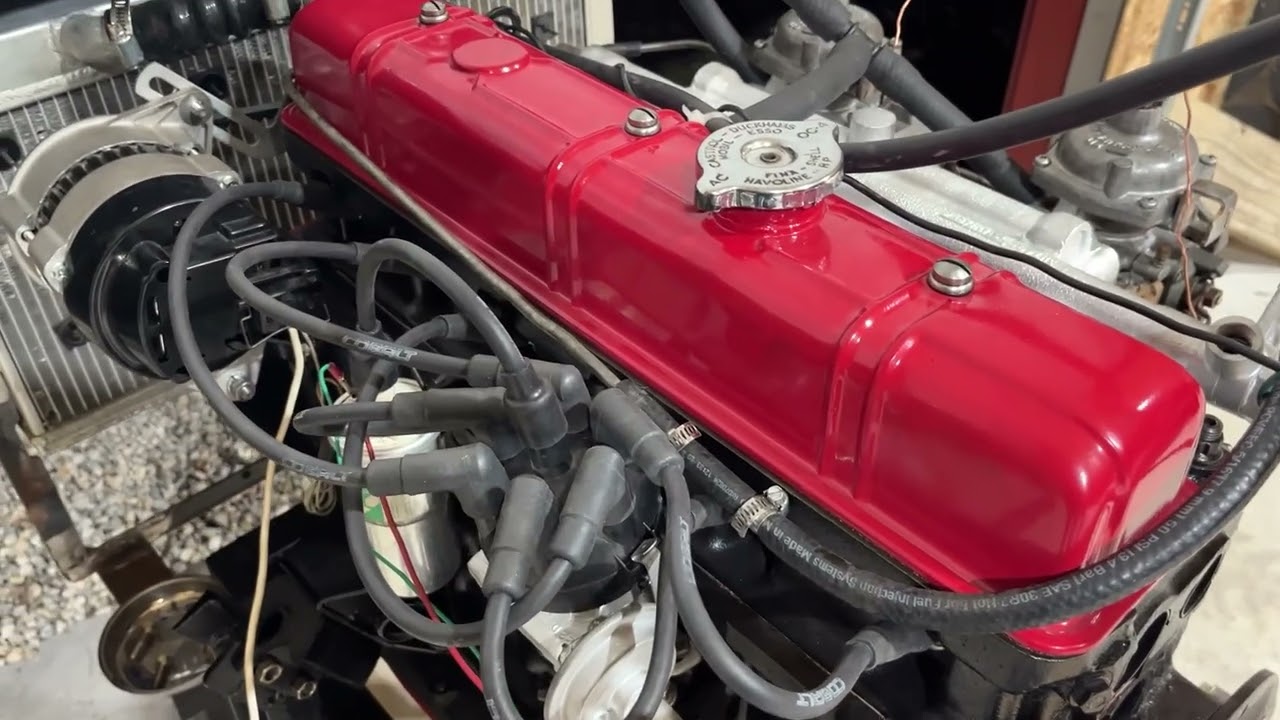
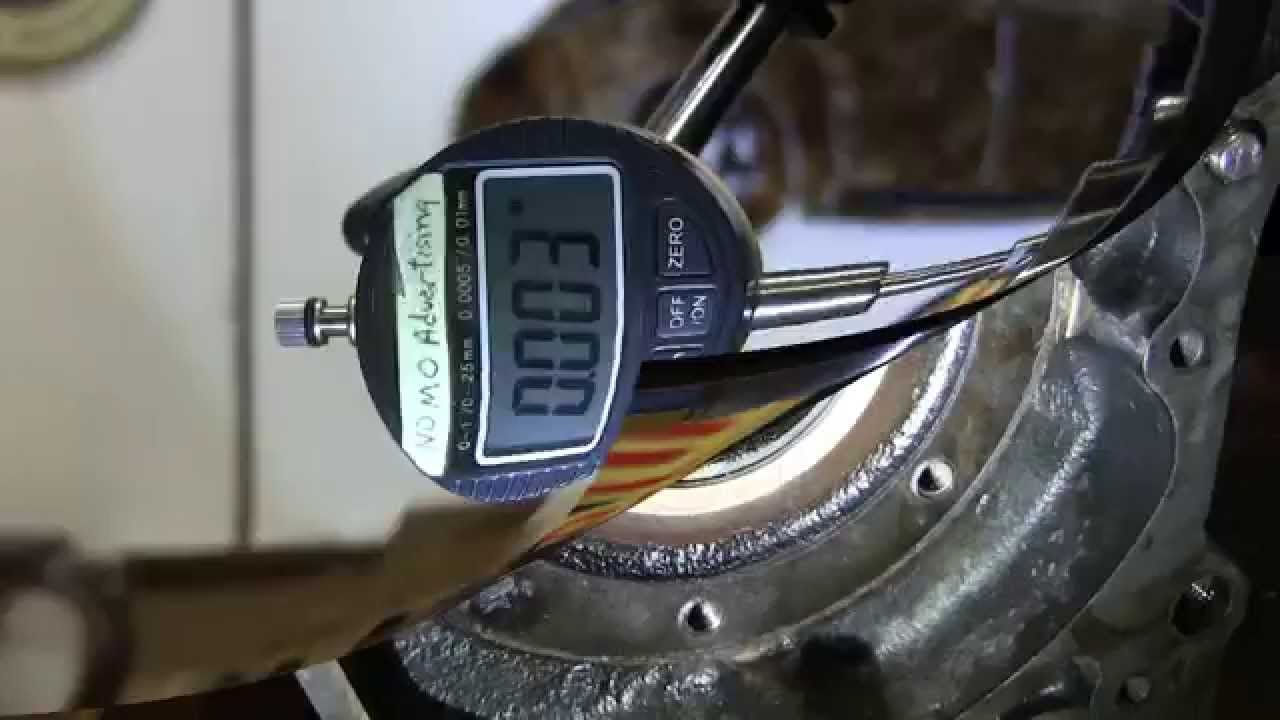
The Triumph Spitfire has 2 small thrust washers at the rear main. Crankshaft end float (the space) increase because the back thrust washer (aka TW) is holding all that forward thrust while your foot is pushing on the clutch. The idea of an additional thrust washer added to the Rear Main's Cap almost doubles the TW surface area, so I had the cap machined to allow the mounting of the additional Thrust Washer in the main bearing cap while holding the top TW in place. This was easier than drilling out the oil passage. I hope that video helped you, maybe this one will too. Don't just fit a TW onto the cap, adjust the cap TW so it contacts the crankshaft when the other TW makes contact. If you're sanding a TW to adjust the thickness, sand the hard steel metal back, not the soft face because the small granules would stick in the soft face and wear on the crank as it makes contact. How far does the crank shaft end float increase before the single standard .094" TW wears out and drops into the oil pan? I don't know yet, but I'd sure hate to find out. Must be hxll on the crank before it does drop. Something to remember and practice with or without the additional TW. While the engine is running, don't hold the clutch in for long periods of time. And if it has set for long period of time, the oil has drained from the TW surface. Holding the clutch in to start the engine, the un-oiled TW contact to the crankshaft will cause higher rate of wear. Make sure it's in neutral, hold the brake, then start the engine. Allow some time for the engine to build oil pressure and lubricate the TW surface before pushing in the clutch. (Edit 1 March 2016; I have attached the cap TW to my cap with small brass screws. Now I have tried it both ways. At this point I see no difference, I just know it's not moving around.
Доступные форматы для скачивания:
Скачать видео mp4
-
Информация по загрузке: