Athenian plague
Автор: Miol
Загружено: 2024-08-17
Просмотров: 129
00:00 Introduction
00:29 Peloponnesian War
01:28 Characteristics of the Spartan and Athenian Armies
02:52 Pericles' War Plan
04:06 Description of the Epidemic
10:24 Consequences of the Epidemic
10:50 Attempts to Make an Accurate Diagnosis
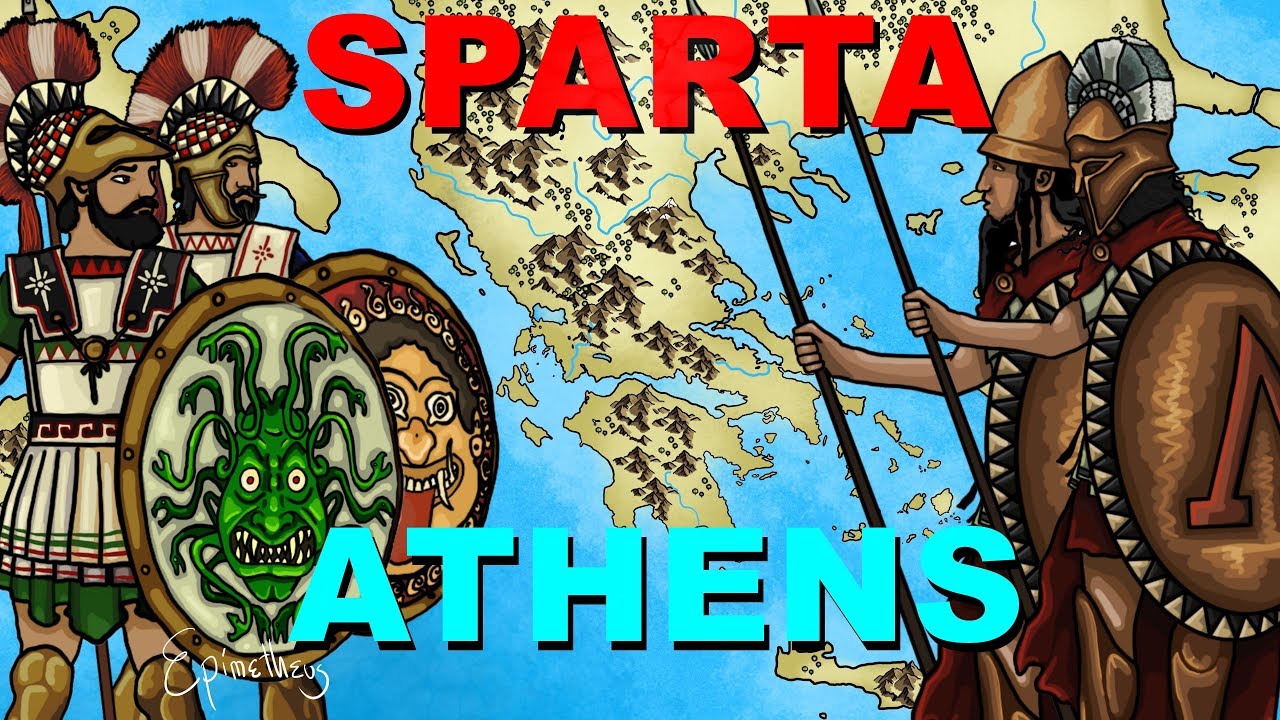
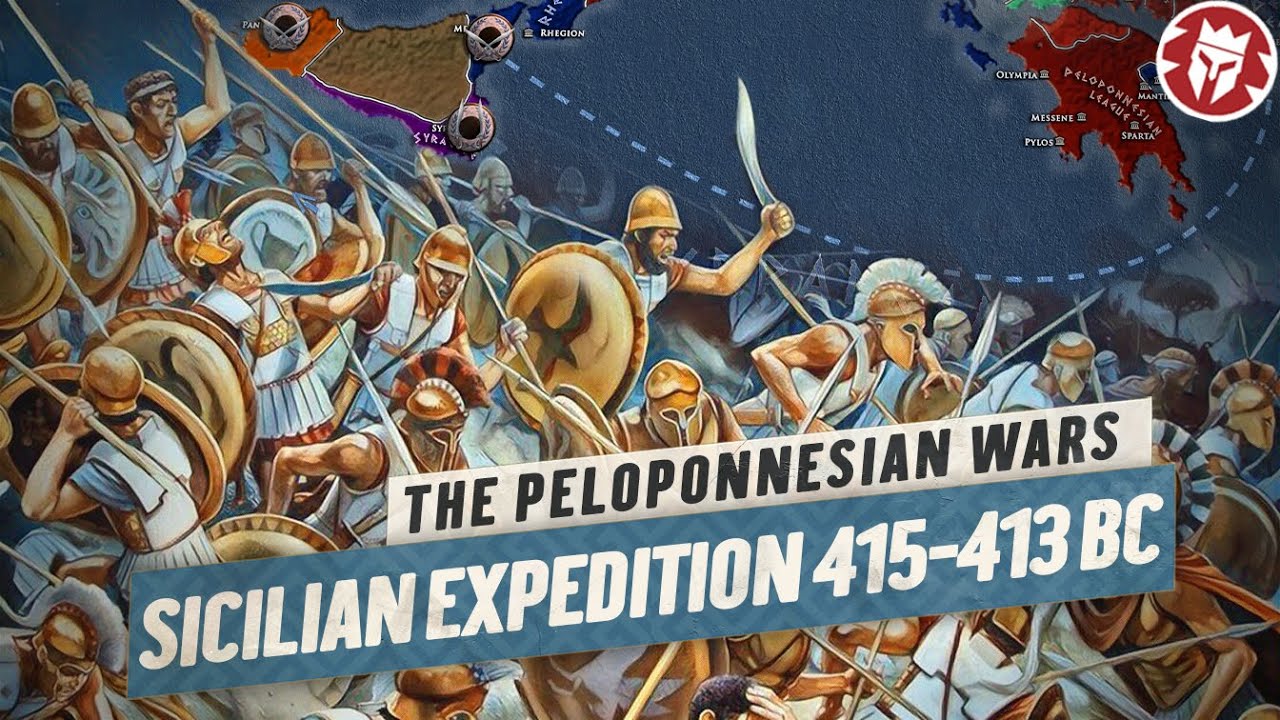
In 430 BC, during the Peloponnesian War between Athens and Sparta, Athens faced a catastrophic epidemic, often referred to as the "Athenian Plague." This conflict, which spanned from 431 to 404 BC, marked a significant struggle for dominance between the two major city-states, each representing different political systems: Athens with its democracy and Sparta with its oligarchy.
The origins of this war were rooted in the aftermath of the Greco-Persian Wars, where Athens and Sparta had emerged as the most powerful Greek states, and their conflicting ambitions for supremacy led to inevitable confrontation. The military strategies of these city-states reflected their respective strengths and limitations. Sparta, with its formidable land army, avoided prolonged campaigns, while Athens leveraged its naval supremacy, relying heavily on its powerful fleet and the Long Walls connecting it to the port of Piraeus for logistical support.
In May 430 BC, as part of a strategic move designed by the Athenian leader Pericles, Athens' rural population was evacuated into the city to avoid the devastating Spartan raids. This mass migration led to severe overcrowding, straining the city's resources and infrastructure. The influx of people into Athens and Piraeus created dire sanitary conditions due to the lack of adequate water sources and hygiene facilities, setting the stage for a devastating epidemic.
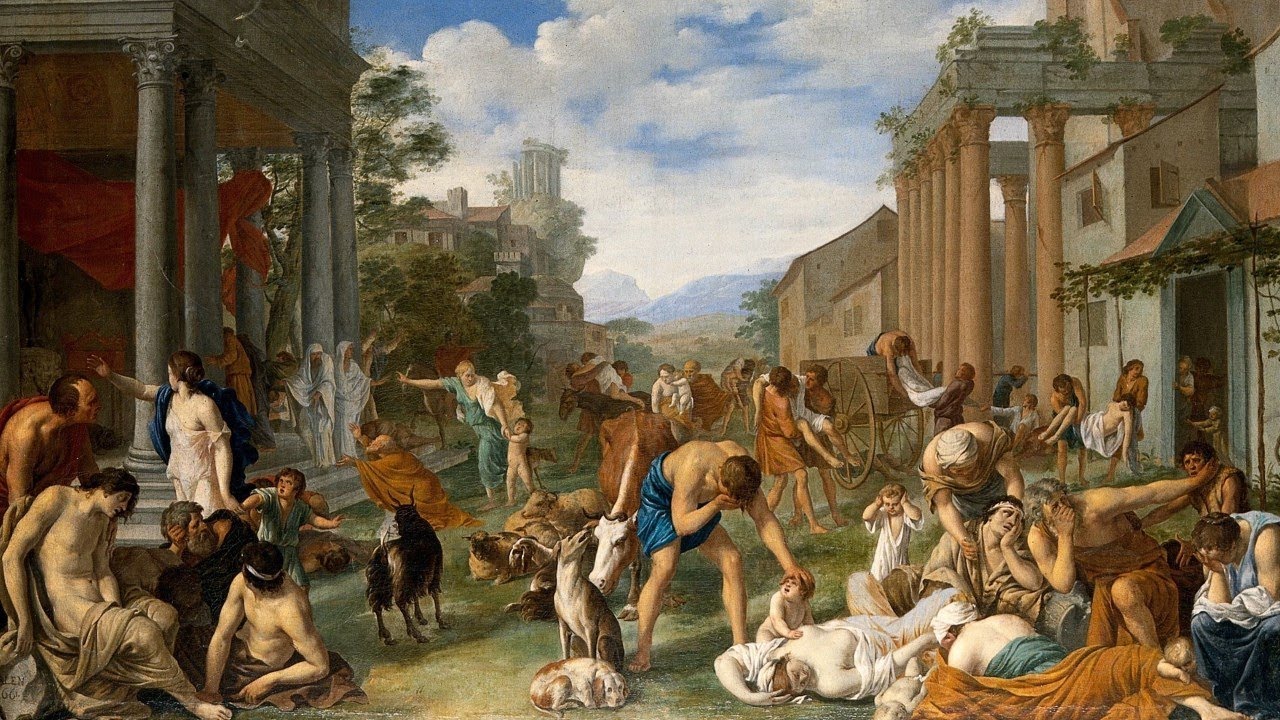
The plague began in Ethiopia (modern-day Sudan) and spread through Egypt, Libya, and the Persian Empire before reaching Athens. According to Thucydides, an Athenian historian and one of the plague's victims, the disease was characterized by sudden high fever, redness and inflammation of the eyes, and severe respiratory symptoms. The afflicted experienced extreme thirst, nausea, vomiting, and a distinctive reddish-blue skin coloration. The disease was highly contagious, leading to widespread death and chaos. Many succumbed to the plague, leading to a collapse in societal norms and practices, including the abandonment of religious and legal observances.
Thucydides' account, corroborated by archaeological findings such as mass graves uncovered in Kerameikos, reveals the extent of the plague’s impact. Approximately 25-35% of Athens' population perished, including Pericles himself in 429 BC. This substantial loss weakened Athens' military and economic capabilities, significantly contributing to its eventual defeat in the war.
Modern scholars have proposed various diagnoses for the plague, including typhoid fever, measles, smallpox, and even glanders or ergotism. Some suggest Ebola, given the disease's initial emergence in Sudan, though this theory is challenged by the disease's later historical documentation. Despite extensive research, the exact nature of the Athenian plague remains uncertain, and its identification continues to be a subject of scholarly debate.
As a historian, I present these theories without asserting any particular diagnosis, leaving room for future discoveries to clarify the plague's true nature.
#History #AthenianPlague #AncientGreece #Miol #PeloponnesianWar #EpidemicHistory #HistoricalDiseases #AncientAthens #SpartanWar #PlagueTheories
Доступные форматы для скачивания:
Скачать видео mp4
-
Информация по загрузке: