AMERICAN AVOCETS
Автор: TEXAS NATURE
Загружено: 2025-10-23
Просмотров: 141
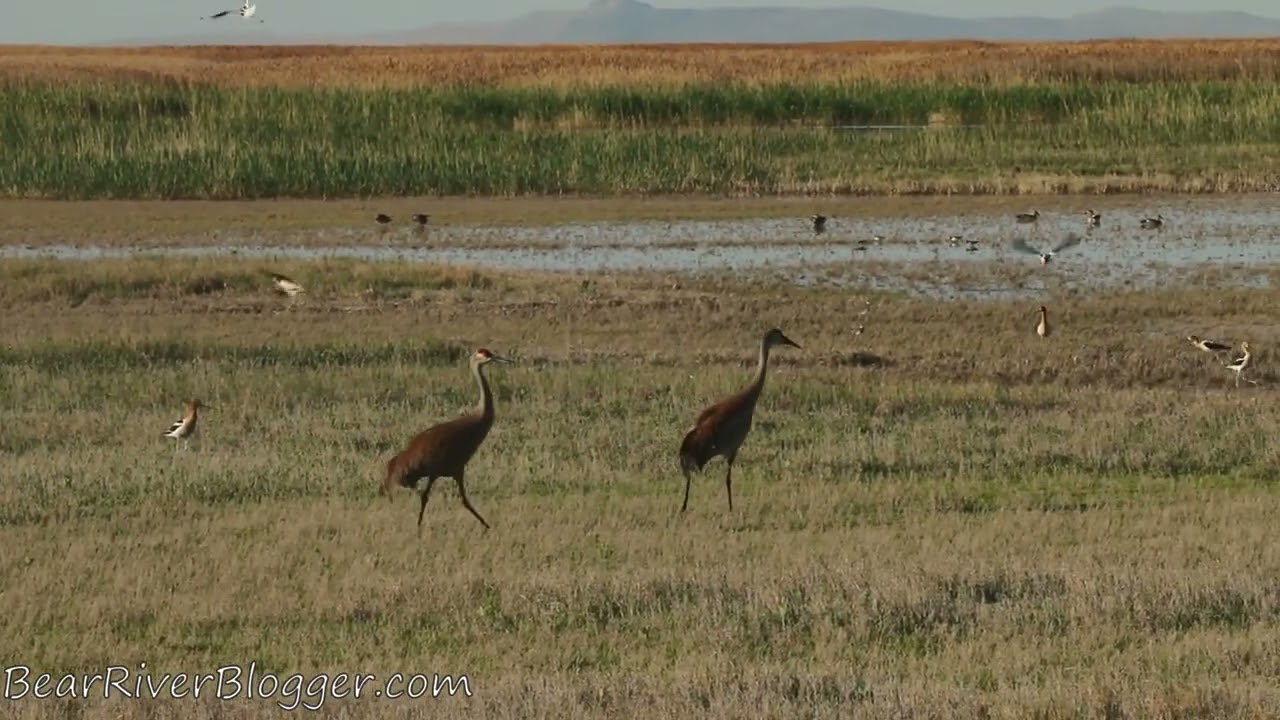
The American avocet is a large, slender shorebird with a long, upturned bill, known for its distinctive side-to-side "scything" feeding motion in shallow water. It has a white body with black and white wings, and during breeding season, a rusty-colored head and neck. These birds are found in open, shallow water habitats across North America and are protected under the Federal Migratory Bird Treaty Act.
Identification
Size and Shape: A large shorebird with a long neck, round head, and long legs.
Bill: Long and distinctly upturned.
Color:
Breeding: Rusty-colored head and neck, with a white body and black and white wings.
Non-breeding: Head and neck turn grayish-white.
Legs: Bluish-gray.
Habitat and Distribution
Habitat: Widespread in open, shallow water habitats like shallow lakes, ponds, and coastal flats. They often favor salty or alkaline lakes.
Distribution: Found across North America, migrating between breeding grounds in the interior west and wintering grounds along the Pacific and Gulf coasts.
Behavior and Diet
Feeding: They forage by sweeping their bill from side to side in the water, often with the bill slightly open, to catch aquatic invertebrates like brine shrimp and small fish. They may also shake their feet to stir up food.
Vocalization: Known for loud, repetitive calls like "wheet, pleet, and kleep".
Nesting: They form monogamous pairs and build ground nests. Both parents take turns incubating the eggs and defending the nest.
Chicks: Chicks are precocial, meaning they can walk and swim within a day of hatching and are able to feed themselves.
Conservation
Threats: The primary threat is the loss of wetlands due to development and climate change. Pesticides in wetlands can also be a danger.
Conservation efforts: Organizations are working to protect and restore wetlands and advocate for legislation like the North American Wetland Conservation Act.

Доступные форматы для скачивания:
Скачать видео mp4
-
Информация по загрузке: