Gas Diffusers & Tip Holders | Binzel Basics
Автор: ABICOR BINZEL
Загружено: 2019-09-30
Просмотров: 5601
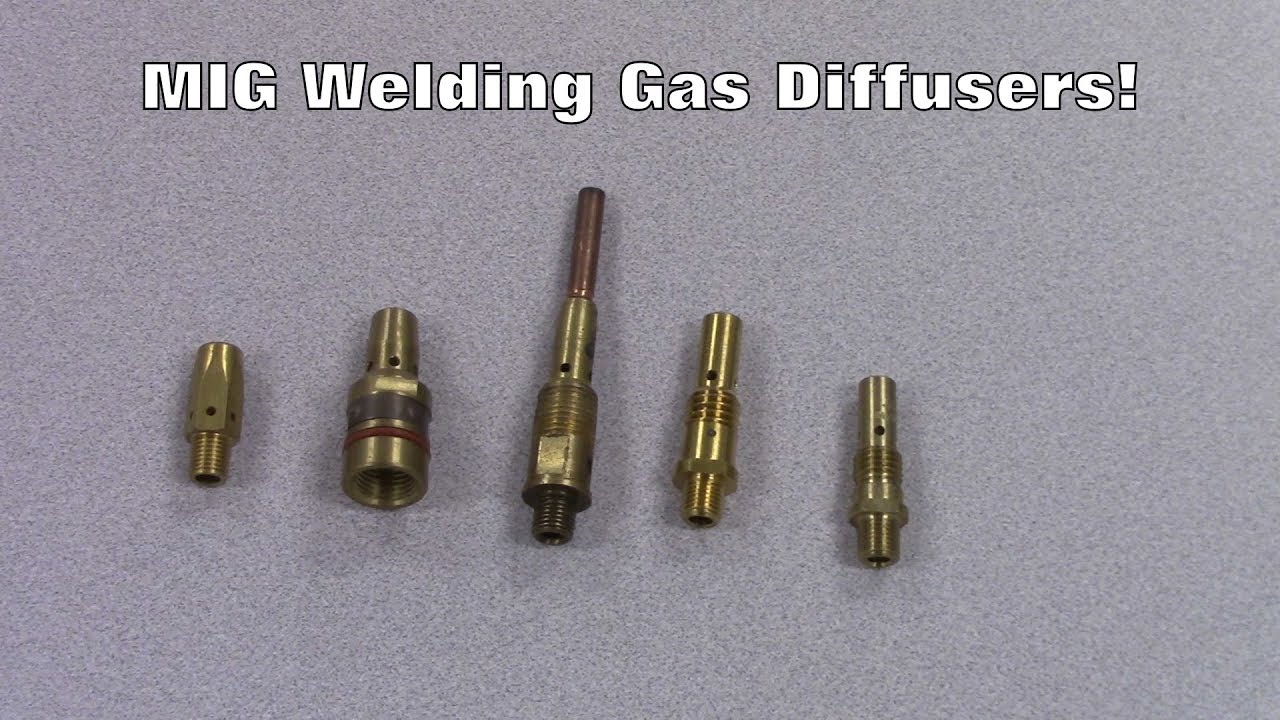
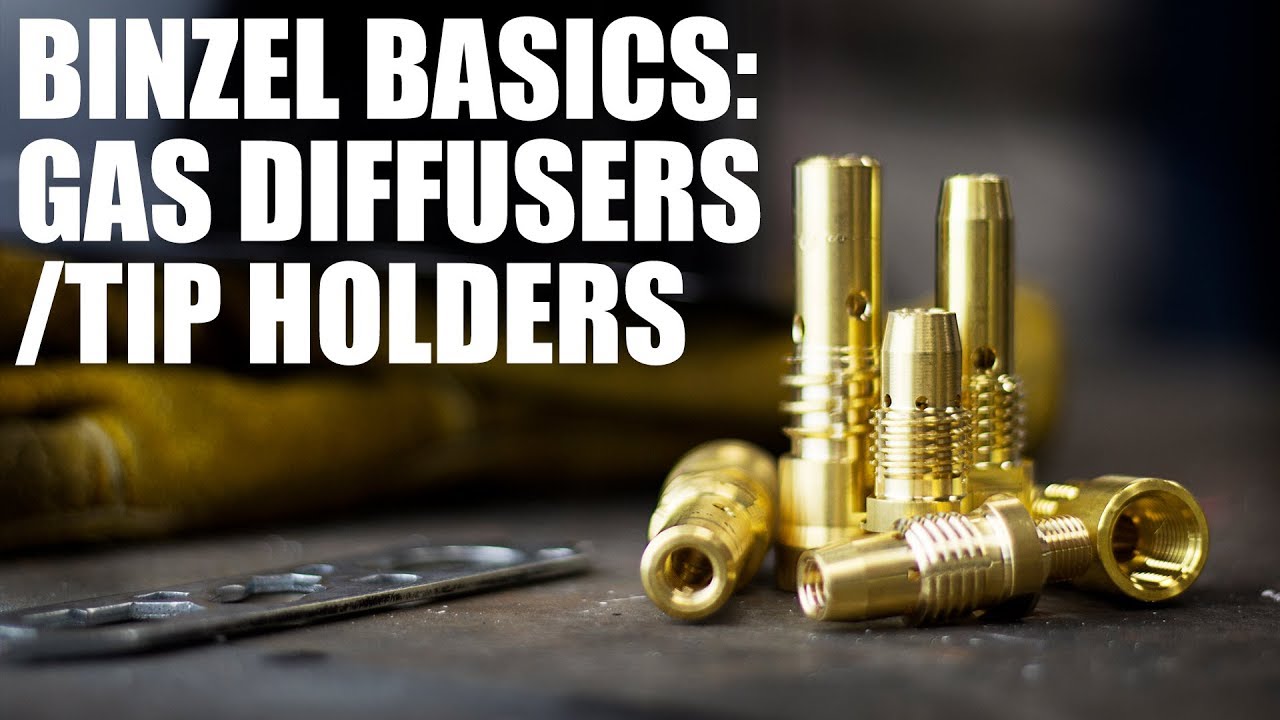
In this video, we go over the common types of gas diffusers/tip holders, and which is right for your welding process.
For more welding knowledge visit our blog: https://blog.binzel-abicor.com
Visit our Website: www.binzel-abicor.com
Don't forget to follow us on social media for more news and knowledge!
Facebook : https://www.facebook.com/abicor.usa/?...
LinkedIn : / 42662. .
Instagram : @abicor_binzel
**********
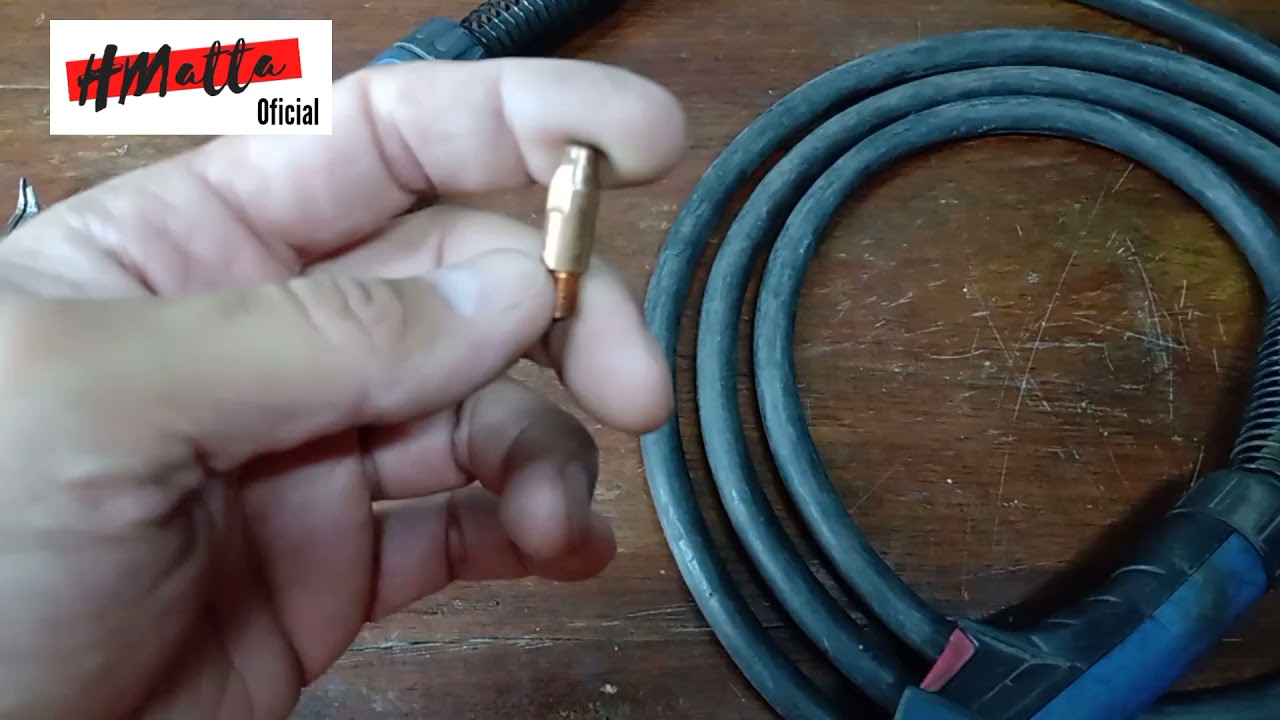
So when you're looking at evaluation criteria for your diffuser you're looking at four different metrics in particular. You're looking at conductivity, resistance, yield strength and hardness value. And then when you're looking at the different metals at your disposal, you're going to be evaluating brass, copper alloy or copper. So starting with copper, copper, just like with the contact tip, a lot of the same properties, it's going to be very conductive. It's going to be soft, so a low harness value. It has a low level of resistance as a result of it being soft. Really it's much more suited for very low parameter short arc style applications. Looking at copper alloy, you're going to get that copper mixed with a harder metal. So it's going to have a little less on the conductivity side, it's going to have more resistance however, more hardness. So it'll be more suitable for higher amperage applications. It will be a little bit more on the pricier side because of the alloyed process to make it, but it's really an all around great solution for almost any application set up. So with brass you're going to get really an all rounder. So it has a medium level hardness, the high amount of resistance, a low amount of conductivity. It's good for reaming applications and things of that nature and it's very budget friendly for manufacturers out there. So you would think based on all the criteria that I just gave to you, well obviously brass is the choice for me. It's cheaper, it's more durable, it will be more durable in the event of a robot crash or my welder hammering on it. And that's definitely true, but there are other considerations to make when looking at a brass diffuser versus a copper alloy. With a brass diffuser one thing to consider is it acts as a heat block towards your front end consumable, namely your contact tips. So when you're welding, you're actually concentrating more heat to your contact tip and that causes it to wear faster as a result. When you're really evaluating the MIG gun in general, make sure that the nozzle that you're going to be using has a thermoplastic installation because that keeps the spatter from bridging between the diffuser and the nozzle and that thermoplastic installation. It looks like this little black strip of plastic right here that's built in machine into the nozzle. With copper alloy, obviously it's not as budget friendly as brass so what are you getting for that higher cost? Well what you are going to get is a higher level of heat conductivity, which is going to transfer to your contact tip. So what that means is that your tip is going to stay cooler while in operation. That's going to in theory extend the life of the contact tip. So you'll spend less overall on a more constant wear part as opposed to wearing out your tip more often with the brass one. So that's the upshot from going with the copper alloy over brass. Another important consideration to make when looking at your diffuser choice is you want to make sure that you're using a different alloyed metals than what you're using for your contact app. And the reason why you don't want your tip material and your diffuser material to be the exact same is because what can happen, especially for air cooled applications, is they can seize together as they cool down. That means they'll get basically stuck together and you'll ruin both consumables as a result. So we talked about these diffuser tip holder combos and these contact tip holders, brass and copper alloy, but we need to talk about insulators as well. For these contact tip holder ones, just these plain ones, you need to use an insulator to give that insulation between the inner tube and the tip holder itself. So there's two different materials you can choose from. There's a white thermoplastic and a black thermoplastic. Some of them have diffusion ports in them, some of them do not. It's going to depend on the welding gun set up. But in terms of application, you would use the white one for air cooled applications up to 300 amp and then anything beyond 300 amp on that air cooled application, you would want to jump up to that high temperature black insulator. For water cooled because the coolant runs through the torch and keeps your consumables cooler, you can actually use the white insulator for up to 500 amp and anything beyond that, you'd want to jump up and use that high temperature black insulator instead. So in summary, really we have two choices. You can have the brass and you can have the copper alloy.
Доступные форматы для скачивания:
Скачать видео mp4
-
Информация по загрузке: