This Train Crew PAID the Price for Britain’s BIGGEST Robbery
Автор: Legendary Locomotives
Загружено: 2026-01-19
Просмотров: 155
This Train Crew PAID the Price for Britain’s BIGGEST Robbery
Subscribe: @legendarylocomotives
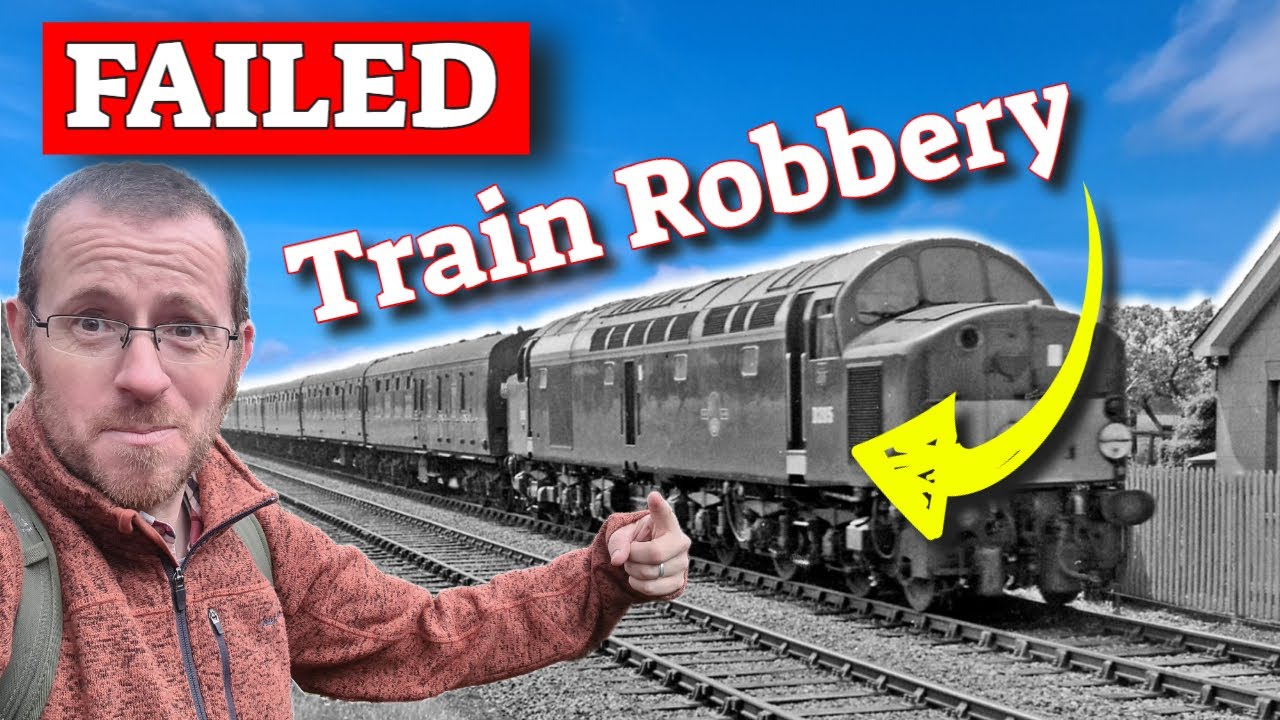
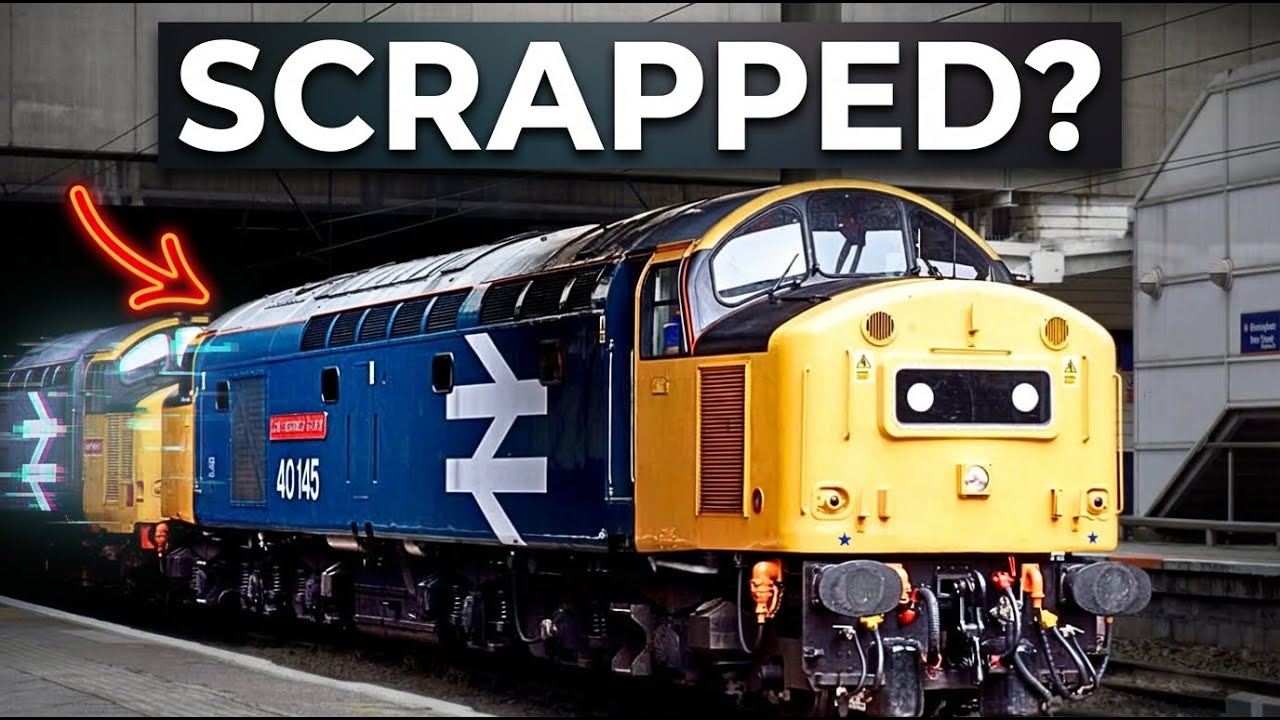
On August 8th 1963, Class 40 locomotive D326 was hauling the Royal Mail train from Glasgow to London when driver Jack Mills spotted a red signal at Sears Crossing. The signal had been tampered with by a gang of fifteen robbers who had covered the green light and wired a battery to the red. When secondman David Whitby climbed down to use the lineside telephone, he found the wires cut and was grabbed by men in balaclavas who threw him down the embankment.The gang stormed the cab and attacked Jack Mills with an iron bar, leaving five wounds on his skull. Their own driver could not operate the Class 40, so they forced the bleeding Mills to drive the locomotive to Bridego Bridge where they unloaded 120 mail sacks containing 2.5 million pounds in thirty minutes.The Great Train Robbery made the robbers famous. Ronnie Biggs escaped to Brazil and became a celebrity. Films and books followed. But Jack Mills never recovered. He was relegated to shunting duties and never drove a passenger train again. He passed away in 1970 at 64. David Whitby suffered a heart attack in 1972 at just 34.D326 continued running but gained a reputation among crews as a locomotive to avoid. Stories circulated in mess rooms. When British Rail withdrew it in 1984, they offered it to the National Railway Museum. The museum refused. Within eight weeks, D326 was scrapped at Doncaster Works to prevent souvenir hunters from preserving it.Today, streets in Crewe are named after Mills and Whitby. A locomotive carries the name Driver Jack Mills. But D326 was erased completely. The robbers got celebrity status. The train crew got streets named after them decades later. The locomotive got eight weeks between withdrawal and the cutting torch.
Доступные форматы для скачивания:
Скачать видео mp4
-
Информация по загрузке: