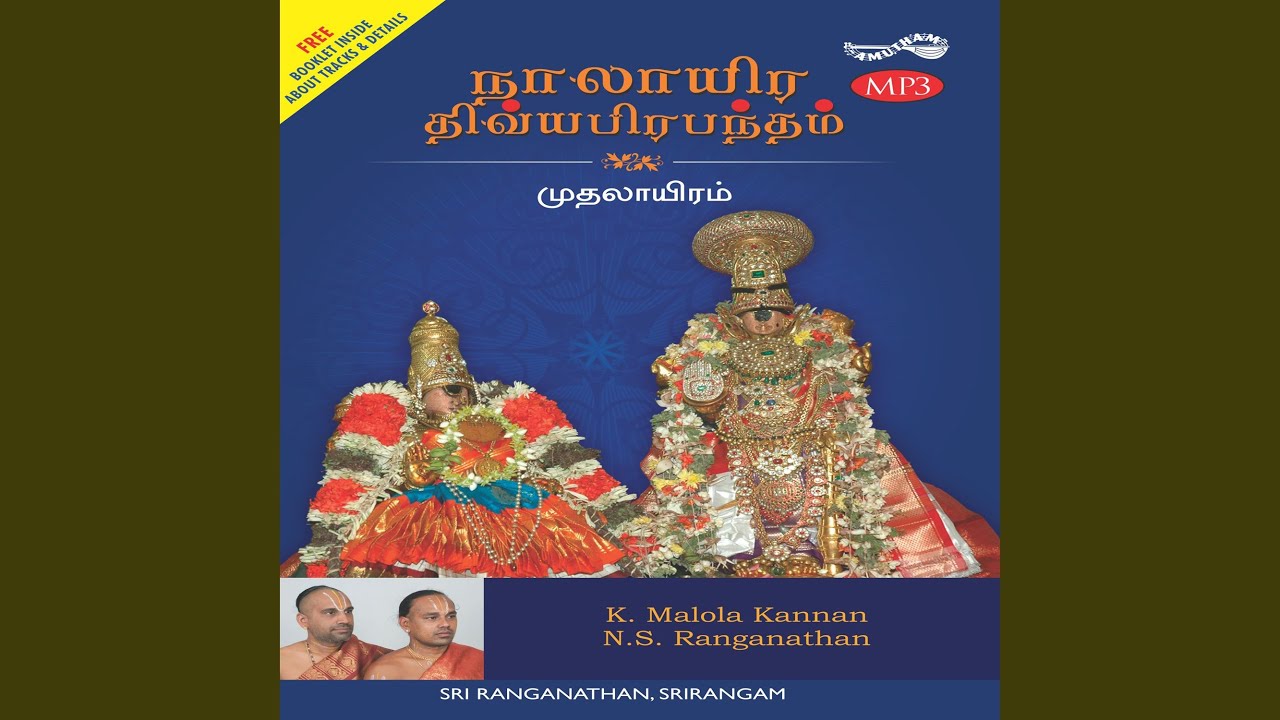
Medieval Hymns (Tamil) Extolling the Virtues of Bhagavathas - "Arthi Prabandham" (Manavala Mamunigal
Автор: Shanga Chakra Gadha Padmam
Загружено: 2014-11-02
Просмотров: 20118
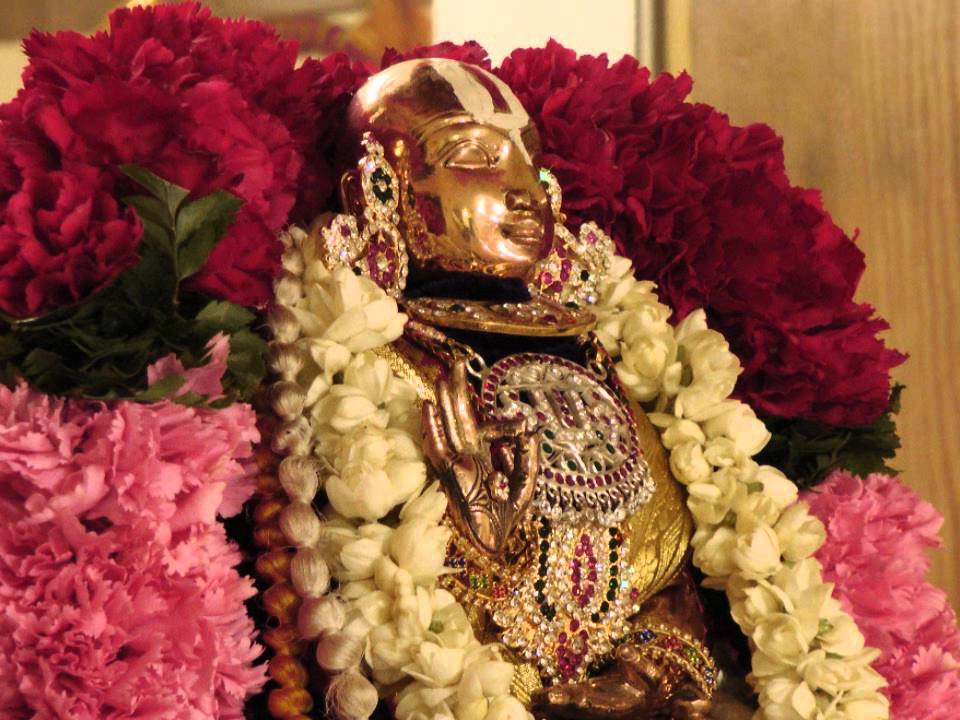
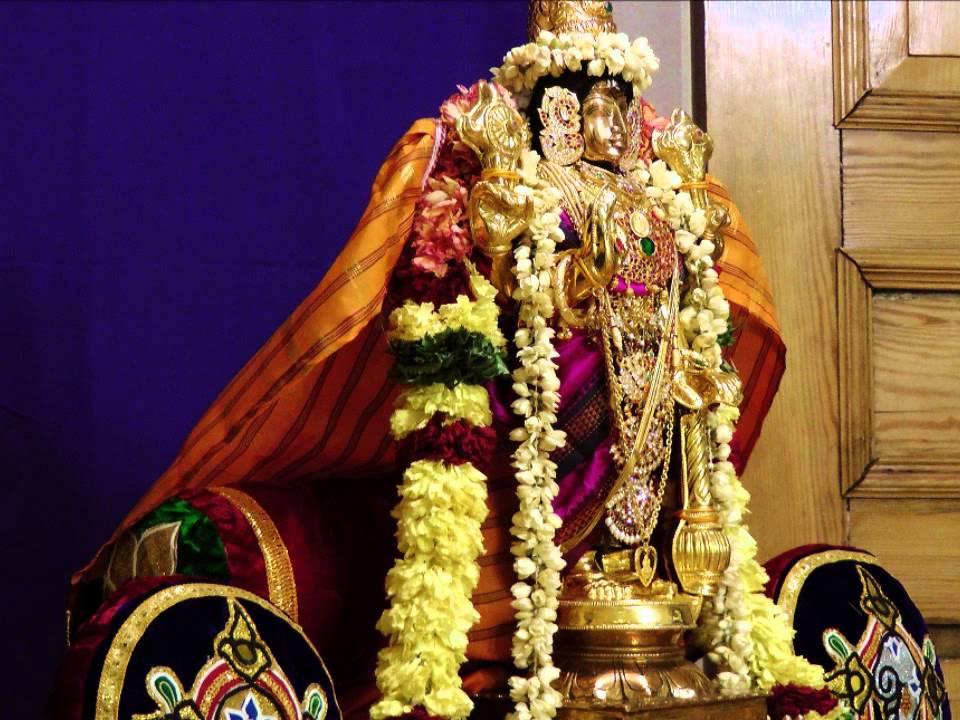
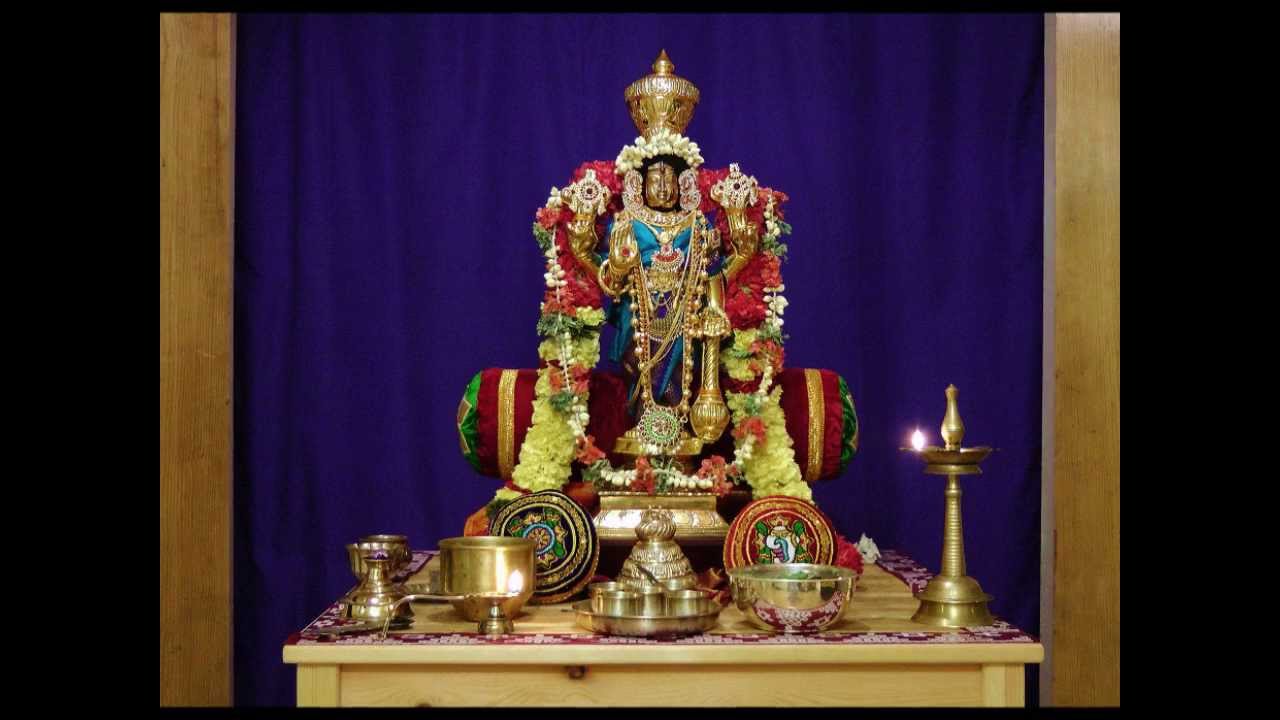
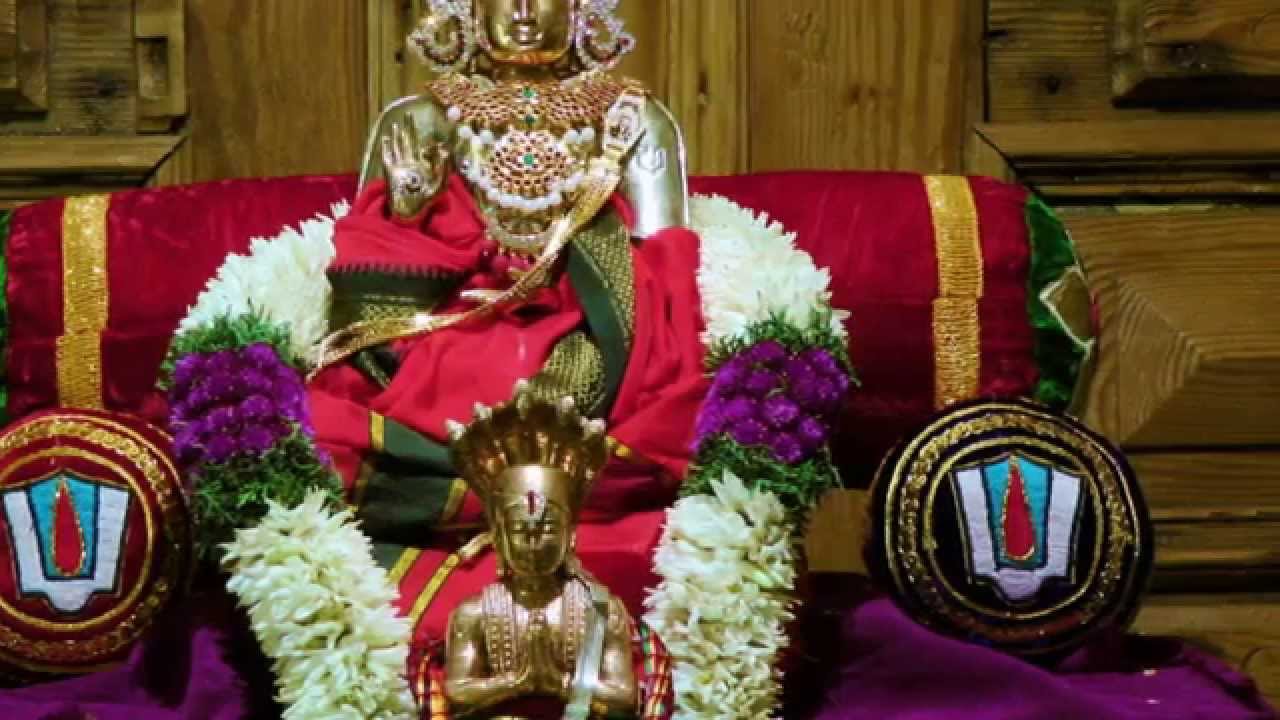
Swami Manavalamamuni in Rare Upadesha Mudra - Seva during his Thirunakshathiram 2014 (Birth Star) at My Home Thirumaligai (Sanctum). The Thirumaligai hosts Sriman Narayana with his Consorts Sridevi-Bhudevi, Sri Mahalakshmi , Sri Yoga Narasimha, Sri Lakshmi Narasimha, Sri Dolai Kannan (Bala Krishna), Sri Aandal, Sri Ram Parivar, Sri Ramanuja , Sri Manavalamamuni & Sri Satyanarayanaswamy. All Alangarams, Daily rituals (Thenkalai Nithyanusandhanam Sampradaya) and Kainkariyams are performed for the Lord including all auspicious events. Panchaparva Seva & Thirumanjanam (Holy Bath) is performed on Ekadesi, Amavasya, Purnima and when Revathi Star is in Ascendence.
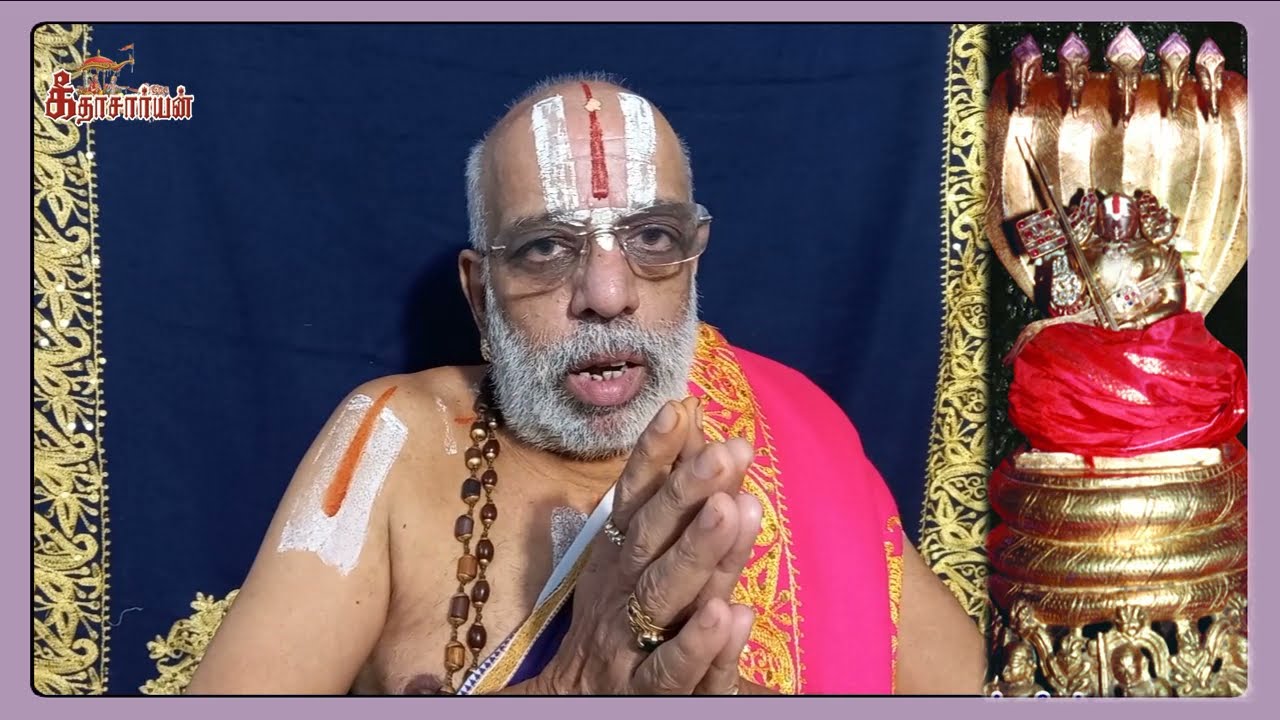
Manavala Mamunigal (1370-1443) was a Vishnavaite Saint, who during the 15th century in Tamil Nadu, with the help of his eight disciples helped spread Vaishnavism. The disciples of Mamunigal established places of learning to teach Vaishnavite philosophy in Tamil Nadu, India. Srirangam in southern India is a celebrated pilgrimage centre. It is the only dhivyakshetram sung by all ten azhwars and Andal. It is called Bhuloka Vaikunta. It is the root of all 108 dhivya kshetras. But over these and several other distinctions, the most outstanding is that the Lord showed here the ideal Acharya in the person of Swamy Manavala Mamuni. Manavala Mamunigal is one of the most well known and significant acharyas of Ramanuja's Sri Vaishnava Tradition-southern sect. Followers of the Thenkalai sect of Sri Vaishnavism believe that Manavala Mamuni was the final acharya of a lineage that begins with the Supreme Being Sriman Narayana, passes through Acharyas such as Yamunacharya, Ramanuja, Embar, Pillai Lokacharya and ends with Manavala Mamuni. It is believed that Manavala Mamuni was accepted by the Lord of Srirangam, Sri Ranganatha, as His own acharya at Srirangam. In 1430, Swami Mamunigal was summoned by Lord Ranganatha to Srirangam and was asked to give a discourse on thiruvaimozhi based on Swami Nampillai's Eedu Muppatharayairam, the celebrated commentary on Nammalvar's Thiruvaimozhi. The discourse was done over a period of one year, over which all the festivities of the temple was put oh hold as ordered by Lord Ranganatha. On the last day of discourse, Lord Ranganatha impressed by Swami Mamunigal's exposition, took the form of a priest child and presented himself in front of the gathering and rendered a benedictory verse or thaniyan, honoring Swami Mamunigal and disappeared into the sanctum sanctorum.
Srisailesa dhaya pathram dheebhakthyadhi gunarnavam Yatheendra pravanam vandhe Ramyajamataram munim
Meaning: I offer my respects to Sri Manavalamamuni, the receptacle of Srisailesa's (Tiruvaimozhipillai's) grace. He is the abode of jnana, bhakti and all other good qualities, and is forever lost in meditation on Sri Ramanuja. This is an instance of Lord showing his respect and devotion to his acharya. This event concludes a beautiful circular symmetry in the history of Srivaisnavism, for with this thanniyen the first acharya (Sriranganatha) becomes shishya to the last (Manavalamamunigal). The Vaazhi thirunaamam are chantings sung in the praise of Lord Vishnu (Perumal), Thayar and Acharyas at the conclusion of the Daily Prayers or Divya Prabhandam recitals, wishing for the long and prosperous perpetuation of Sri Vaishnava tradition.
Mamunigal begins this prabandham extolling the glory of bhagavatas (bhagavata prabhavam) and the supreme pedestal on which they have to be placed (1, 13). He asserts that the very nature of the soul is to be subservient to the devotees of the Lord (2). In fact, he puts the servitors of the devotees of the Lord in a higher pedestal than the celestials themselves.
Further, Mamunigal describes the everlasting continuity of the relationship between jivatma and paramatma from time immemorial (45) and explains the role played by an individual’s immediate teacher in pointing out this relationship through tirumantra upadesa (46, 57, 58). He goes on to add that the theoretical knowledge of this relationship doesn’t suffice to gain the candidacy required for performing saranagati. The samsaric pulls, which are a result of jivatmas’ previous karma, can at some times be too strong for them to condition and discipline their mind to practically realize the truth learnt through instructions (36). The longing for worldly desires is incompatible with the true nature of the soul due to the karma it has accumulated over previous births (36). This accumulated karma cannot be done away with overnight despite a jivatma’s earnest attempts to seek redemption. This inability can make the grace of Sriman Narayana inaccessible to the jivatmas, should the Latter, acting independently, insist upon the fulfilment of certain candidational requirements (14, 26). It is in this context Mamunigal highlights the need for acharya’s grace to cross the ocean of bondage.
Доступные форматы для скачивания:
Скачать видео mp4
-
Информация по загрузке: