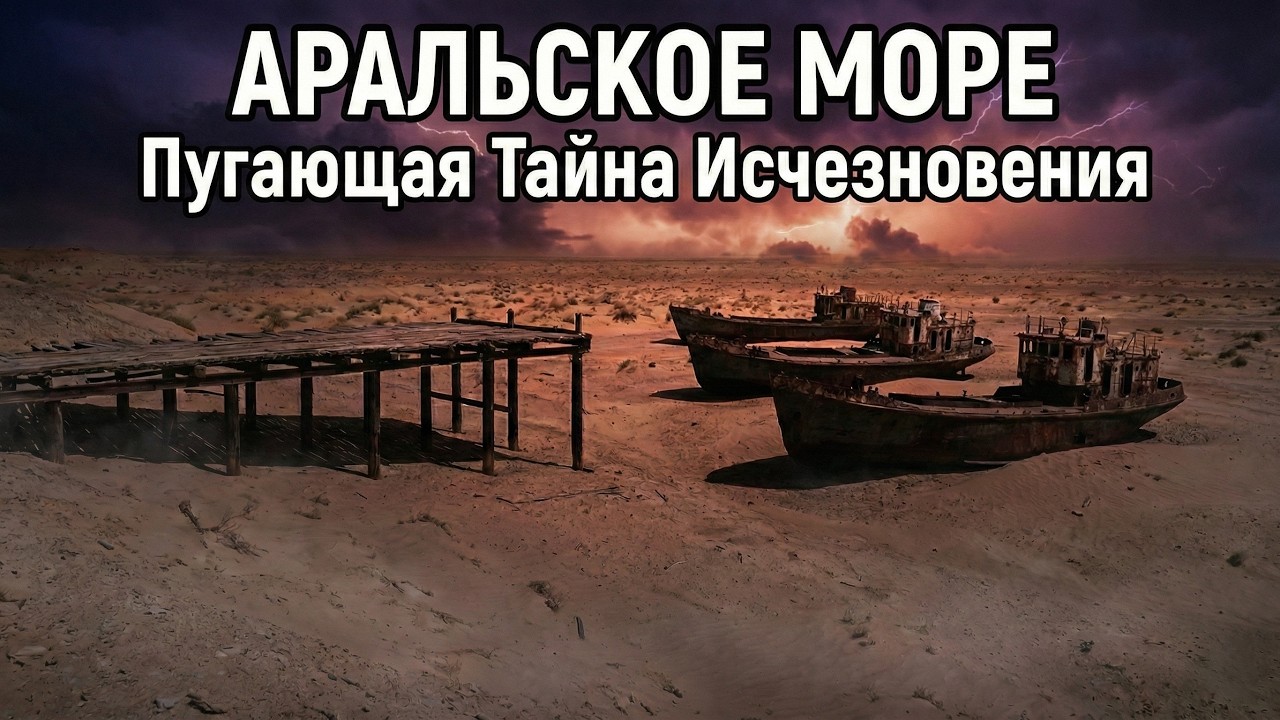
These Archaeology Projects Could Rewrite History
Автор: Ancient Echoes
Загружено: 2026-01-13
Просмотров: 80
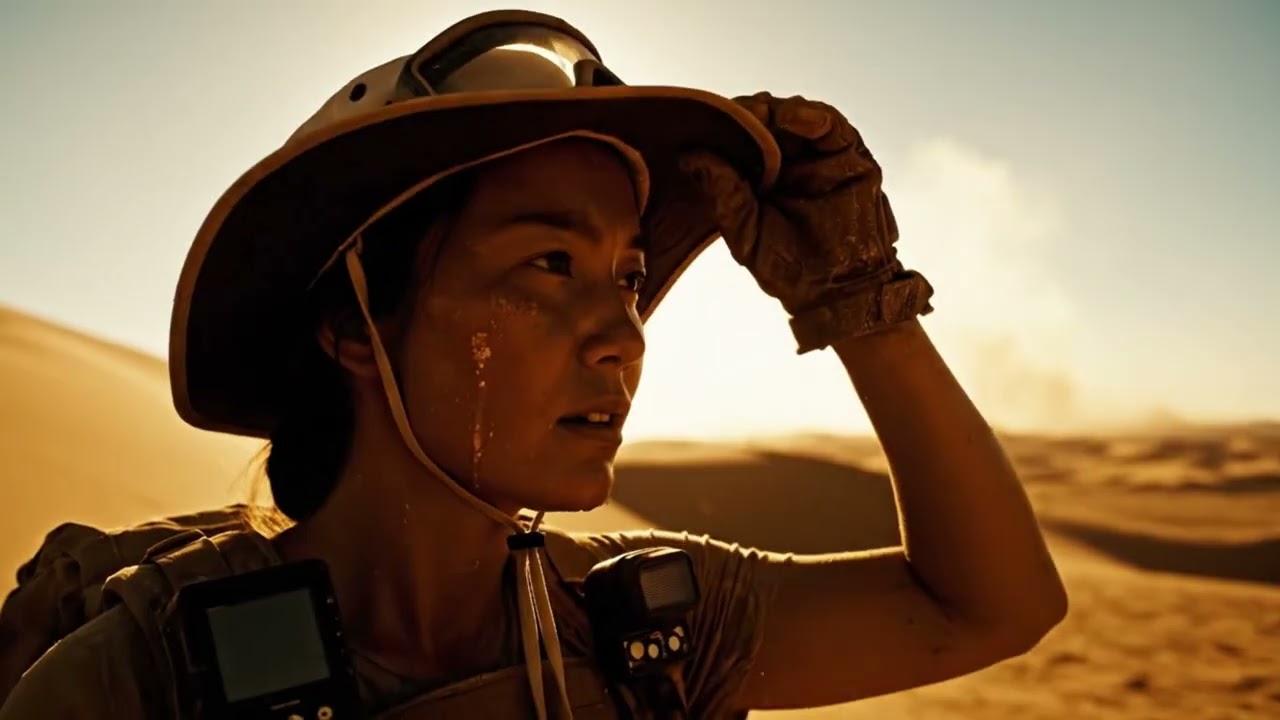
The desert was silent—until the scanner beeped.
Beneath the sands of Egypt’s Western Desert, a team from University of Cairo paused as their ground-penetrating radar lit up with geometric shapes. Walls. Corridors. Something planned. Something old. If the excavation confirms a previously unknown settlement aligned with the early Nile routes, it could upend long-held ideas about where complex Egyptian society truly began.
Across the world, history was stirring elsewhere too.
High in the rain-soaked jungles of Guatemala, archaeologists working with National Geographic Society studied LiDAR maps revealing vast causeways and hidden cities of the Maya. What had once seemed like isolated ceremonial centers now appeared to be parts of a dense, interconnected urban network. If fieldwork in 2026 validates these findings, the Maya may be remembered not as scattered city-states—but as architects of one of the ancient world’s largest civilizations.
Meanwhile, in the cold darkness of a Spanish cave, paleoanthropologists held a fragment of bone no bigger than a coin. DNA analysis hinted it did not belong solely to Neanderthal or modern human. If confirmed, this discovery could add a new branch to the human family tree, reshaping our understanding of who we are and where we came from. Researchers from the Max Planck Institute believe the evidence may show interbreeding events far more complex than previously imagined.
The oceans, too, were giving up their secrets.
Off the coast of India, marine archaeologists explored submerged stone structures near the Gulf of Khambhat. Long dismissed as natural formations, new dating techniques suggest human construction dating back more than 9,000 years. If verified, these ruins could point to a lost coastal civilization that existed before rising seas swallowed its cities—forcing historians to rethink the timeline of urban development.
Back in Turkey, excavations continued at Göbekli Tepe. Newly uncovered carvings hinted at complex belief systems thousands of years older than agriculture itself. The implication was unsettling: organized religion may have come before farming, not after. Civilization, it seemed, may have been built on ideas before food.
By the end of 2026, these projects may do more than fill museum halls with new artifacts. They could rewrite textbooks, challenge national histories, and reshape humanity’s origin story. Archaeology, once slow and careful, was now accelerated by AI, satellite imaging, and genetic science.
And somewhere beneath our feet—under jungles, deserts, ice, and sea—the past was still waiting.
Not buried.
Доступные форматы для скачивания:
Скачать видео mp4
-
Информация по загрузке: