Archaeologists Discover a REAL ‘Bahubali’ Chariot in India? इतिहास हिलाने वाली खोज !
Автор: Sumit Patil
Загружено: 2025-11-22
Просмотров: 36769
✨ Watch Cinematic Reels On Insta👉 / sumitsaga_
✨ My YT SHORTS CHANNEL 👉 / @sumitsagashorts
✨Visit My Store 👉https://kadakmerch.com/collections/su...
✨DM For Business Queries Or Paid Collaboration: dbvines679@gmail.com
🎧 LISTEN TO MY SONG 🎧
🎵 YouTube music - • Album - Tera Hoga Ye Jahaan
🎵 SPOTIFY - https://open.spotify.com/track/04SNnh...
🎵 Itune - https://music.apple.com/in/album/tera...
I have spent more time digging through archaeological reports, forgotten Sanskrit texts, and walking the dusty excavation grounds around Varanasi, Rajgir, and Ujjain — and the more you explore India’s ancient military history, the more you realize one uncomfortable truth ,
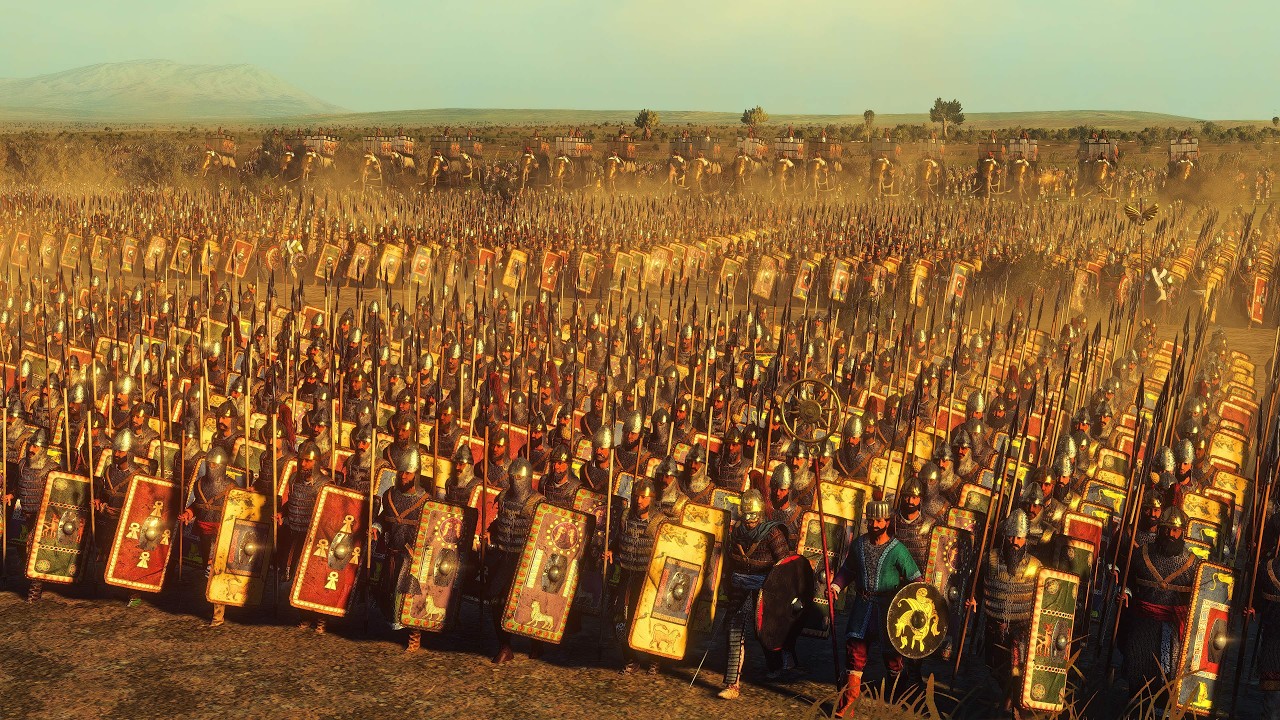
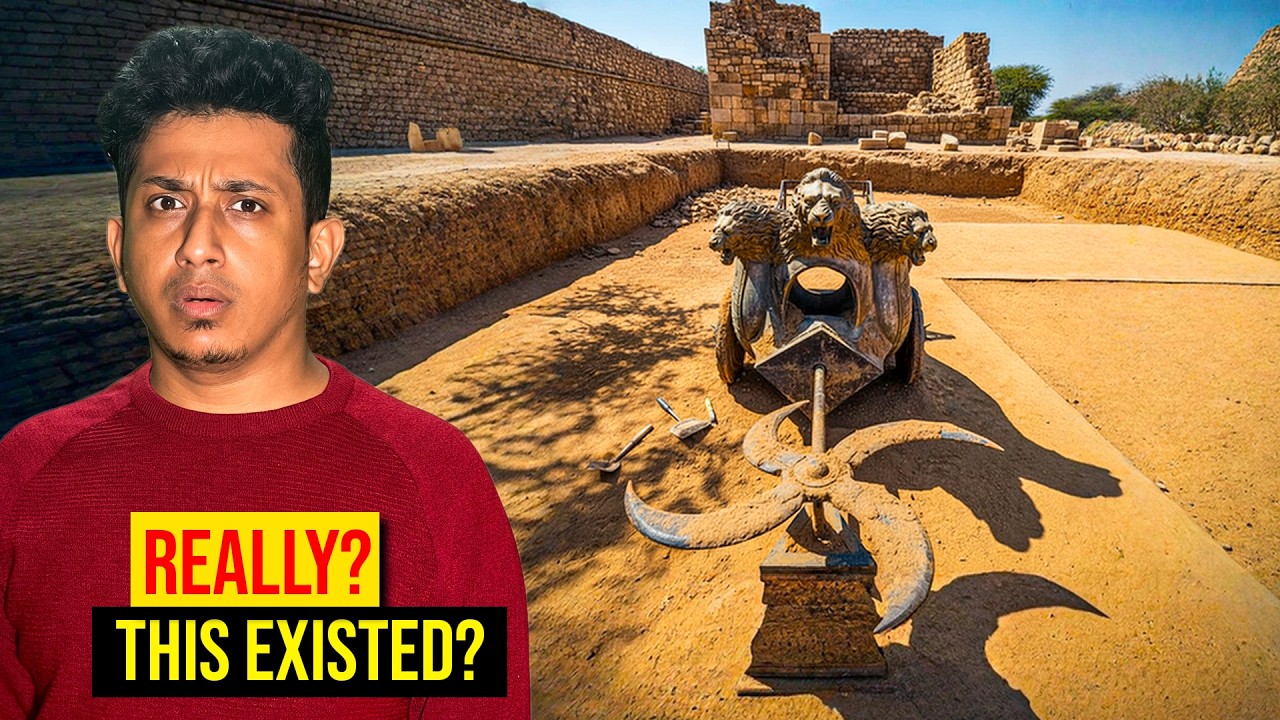
We have lost more technology than we have preserved. Everyone knows SS Rajamouli’s Bahubali made chariots look larger than life, but the reality is… the real ancient chariots were often more advanced than what we saw on screen. And no, that’s not an exaggeration for YouTube that’s a conclusion you reach only after talking to field archaeologists, metallurgy experts, and historians who don’t sugarcoat the past. Take King Ajatashatru, for example. Most people only vaguely remember his name from old textbooks, but few know he actually used an advanced war chariot system, very similar to the styled versions shown in Bahubali. These weren’t just wooden carts many had layered construction techniques, shock-absorbing joints, and reinforced axle designs that today’s carpenters simply don’t know how to replicate without months of trial and error.
This is exactly why when a partially preserved ancient chariot is discovered, whether in India or abroad, archaeologists react like they’ve found gold. Because each piece gives a tiny clue to a technology that once existed and then vanished. And weapons? Everyone today talks about swords and spears, but there were weapons that sound almost fictional. One of the most fascinating ones is Shilakanthika a weapon mentioned in ancient Indian texts that used a combination of stone and mechanical force in a way that even modern researchers find hard to categorize. Was it a projectile? A mechanical crusher? A hand-held siege tool? The truth is somewhere in between, and the frustrating part is… the actual technique of making and using it is lost. Completely. This is the same pattern you see across Indian history:
Huge innovation → incredible real-world use → cultural decline → knowledge disappears.
You see this in metallurgy (like the rust-proof iron pillar), in architecture (like interlocking stones at temples without mortar), and of course in warfare. The deeper you go, the more you realize ancient India wasn’t “primitive” — it was actually a high-innovation civilisation that didn’t document everything the way we do today. Thats probably why SS Rajamouli’s Bahubali felt oddly authentic. Even though it’s a fictional story, the aesthetics — the towering chariots, rotating blades, counterweight mechanisms weren’t just cinematic imagination. They were inspired by real historical engineering that existed in kingdoms like Magadha under Ajatashatru and even earlier during the Vedic era.
#bahubali2 #hiddenhistory #historyofindia #ssrajamouli #varanasi
Доступные форматы для скачивания:
Скачать видео mp4
-
Информация по загрузке: