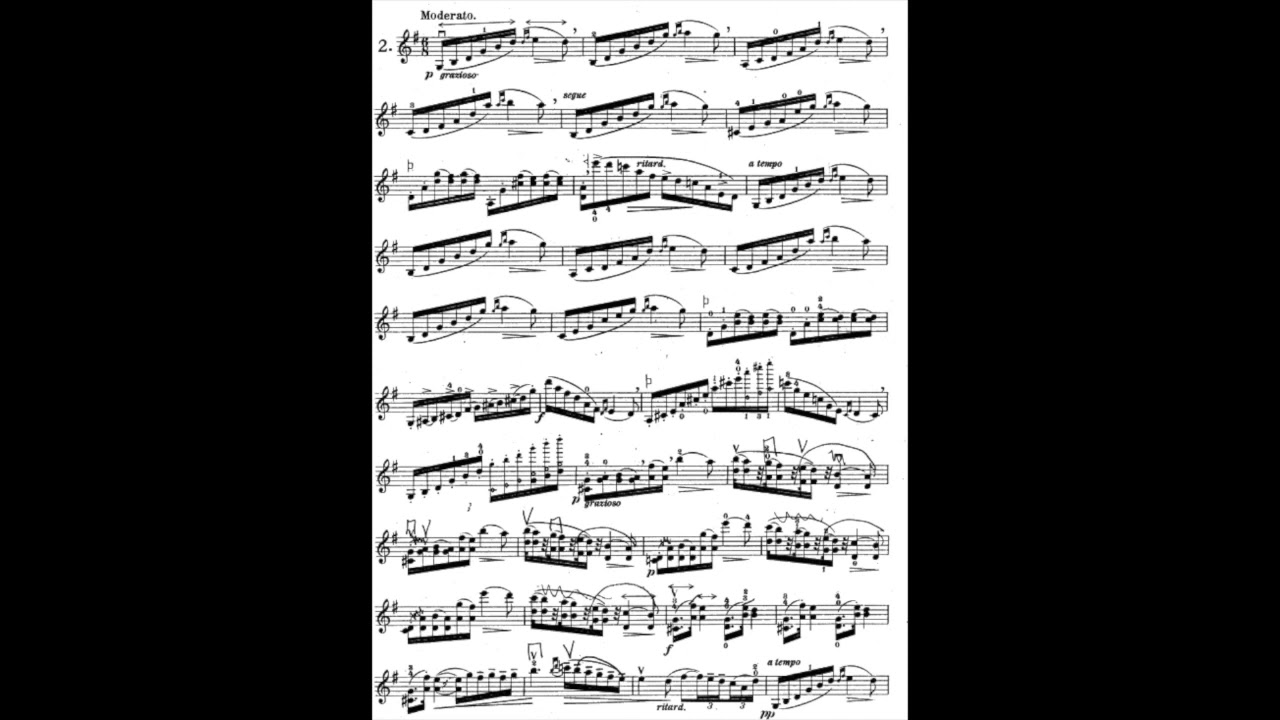
D. Alard: Violin Etude Op. 10, No. 4/D. Alard: Estudio para Violín Op. 10, No. 4
Автор: Master the Violin Etudes
Загружено: 2023-04-06
Просмотров: 3162
MAIN DIFFICULTIES: String crossings
OTHER DIFFICULTIES: Bow strokes
SIMILAR ETUDES: Dont: Op. 38, No. 23, Campagnoli: No. 1, Hofmann: Op. 25, No. 74
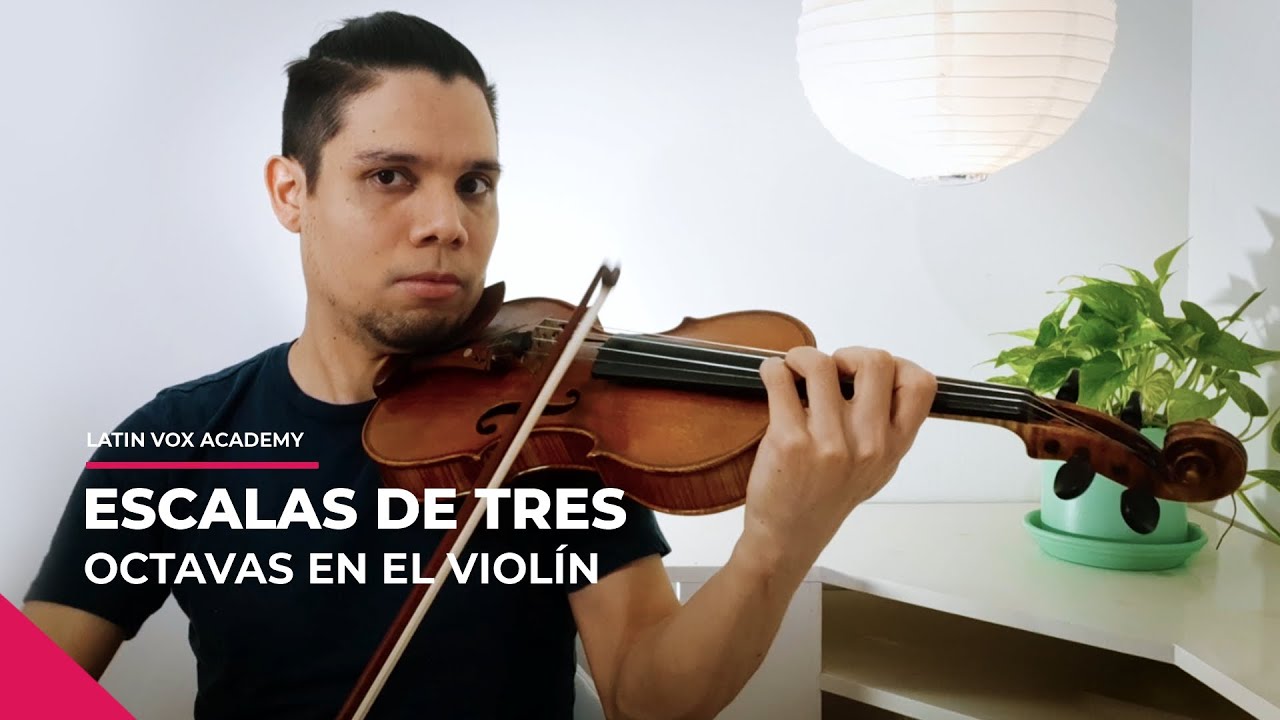
The wrist should be used for the majority of the string crossings in this etude. Most of them are only between two strings. The bow-arm elbow should be positioned so that allows the wrist to move easily and freely between these two strings. This place is at the lower elbow string, in this etude that will be the E string, then reaching to the A string mostly with the wrist. The elbow should not move along with the bow for each string crossing. Keep in mind that the movement of the elbow should be very small. We could think of it as the originator of the wrist movement but not what does the movement itself.
A good exercise to get the hang of the wrist movement is to rest the elbow against a corner in the wall while practicing the string-crossings, forcing the elbow to stay still and allowing the wrist to do all the work. This is just a helpful exercise to get a “feel” of the movement. The exact resulting movement of this exercise is not what we want to achieve, but it is extremely helpful to get the wrist going. The elbow should accompany the wrist when the string crossing pattern changes to other two different strings or when the string crossings have an arpeggio pattern across three strings.
Another aspect to consider is that most of the string crossings are up-bow. This fact makes the string crossings harder because the bow is slower and weaker compared when they are down-bow. The accents on the last sixteen-notes of each group (up-bow) should not result into shortening them. The sound should stay legato trough the etude (when played Détaché.) Using a slightly longer bow for the accented note (faster bow) and adding some vibrato will do the trick.
The left-hand fingers have to be on the string before the bow arrives. Notice that some fingers have to stay down for a whole measure at times. As a rule of thumb: Leave the fingers down if you do not need to lift them to play other notes. On the other hand, be careful not to tight the left hand by pressing too hard the fingers that are already down.
Overall use a small amount of bow. Remember that any kind of string crossings uses more bow, so we have to compensate. Think of making the string-crossings as small as possible. Besides, the smallest the movement the easiest it is to control. I find helpful to think that no matter how fast I play this etude, the bow is “sticky” and moves slowly (Détaché.) As always, try to incorporate the numerous dynamic markings as soon as possible.
DIFICULTAD PRINCIPAL: Cambios de cuerda
OTRAS DIFICULTADES: Golpes de arco
Estudios similares: Dont: Op. 38, No. 23, Campagnoli: No. 1, Hofmann: Op. 25, No. 74
La muñeca debe ser usada para la mayoría de los cambios de cuerda en este estudio. Casi todos son entre solo dos cuerdas. El codo del brazo derecho debe de estar colocado para que la muñeca se mueva libremente entre las dos cuerdas. El lugar adecuado seria en la cuerda de Mi al principio del estudio, y en general en la cuerda más baja para el codo derecho. De esta manera el movimiento de la muñeca es la que cambia de cuerda al La, minimizando el movimiento del codo. Podríamos pensar que el codo origina el movimiento, pero no lo ejecuta.
Un buen ejercicio para desarrollar el movimiento de la muñeca es apoyar el codo derecho en una esquina sobresaliente de la pared mientras estudiamos los cambios de cuerda, forzando al codo a no moverse y haciendo que la muñeca haga todo el trabajo. Este es un buen ejercicio para desarrollar como se tiene que sentir la muñeca. El movimiento exacto de este ejercicio no es lo que queremos conseguir, pero ayuda mucho a activar y reconocer el movimiento de la muñeca. El codo debe acompañar a la muñeca cuando el patron cambia a dos cuerdas diferentes o cuando la patente es de arpegio o similar.
Otro aspecto para considerar es que la mayoría de los cambios de cuerda son arco arriba. Esto hace los cambios de cuerda más difíciles, ya que el arco arriba es más débil y lento. El acento en la última semicorchea de cada grupo no es para hacerla más corta. El sonido debe de seguir legato. Usar un poco más de arco y algo de vibrato para la nota acentuada debe de ser suficiente.
Los dedos de la mano izquierda deben de estar en la cuerda antes de que llegue el arco. Estad atento a que varios dedos tienen que permanecer en la cuerda durante todo un compás. Por el otro lado, cuidado de tensar y apretar demasiado con los dedos.
En general, no uses demasiado arco. Recuerda que cualquier tipo de cambio de cuerda usa más arco, así que tenemos que compensar. Piensa en hacer el cambio de cuerda muy pequeño. Mientras más pequeño el movimiento…más fácil de controlar. A mi me ayuda pensar que no importa que tan rápido toque el estudio, el arco es “pegajoso” y se mueve lento. Como siempre, trata de incorporar las dinámicas y matices tan pronto como sea posible.
Доступные форматы для скачивания:
Скачать видео mp4
-
Информация по загрузке: