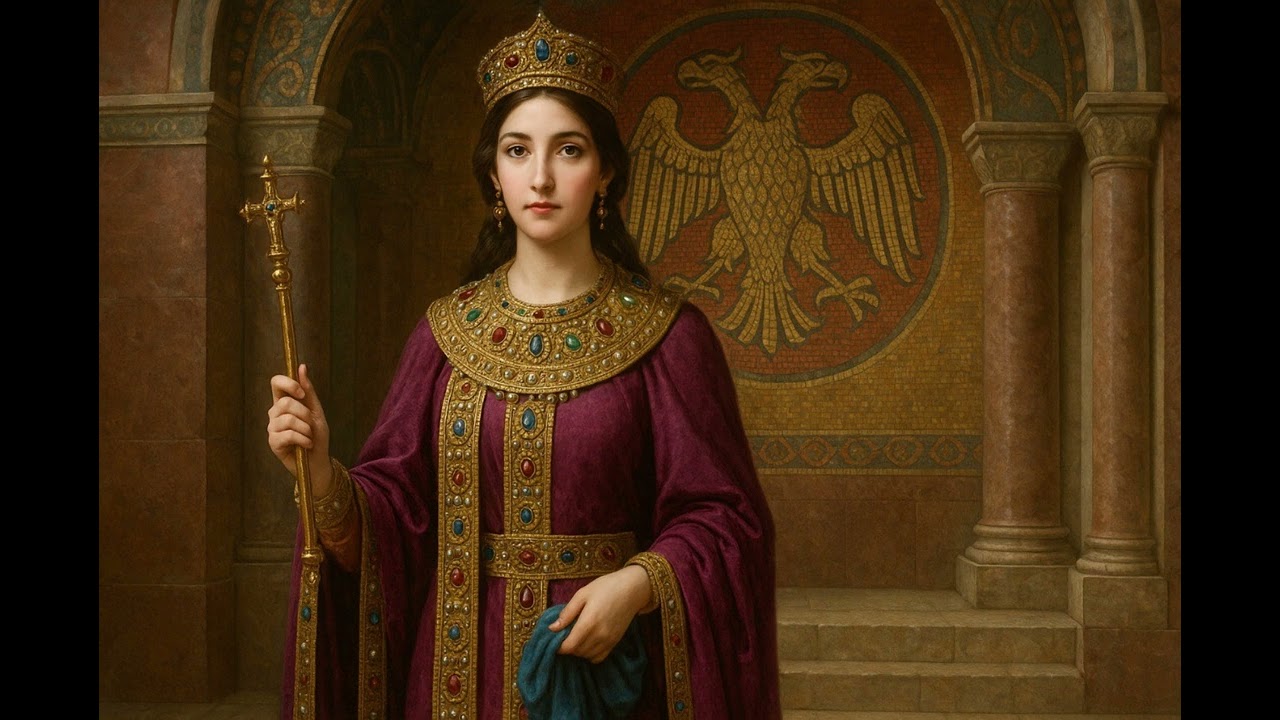
Kalomoiris and the Saracen - Epic Byzantine Music
Загружено: 2025-10-17
Просмотров: 54877
Lyra and tsambouna @Dimitrios_Dallas, drums by Dimitris Papadimitriou, vocals by Farya Faraji. Special thanks to Dimitris Kap for helping me out with the prosody of the text. The Epic Byzantine Series is a musical project where the sounds of modern Greek traditional music are used as a framing device for themes pertaining to the Eastern Roman Empire and the body of folklore descending from Medieval Greece. These are not attempts as historical reconstruction or even remotely concerned with approximation of the historical sound of medieval Byzantine music
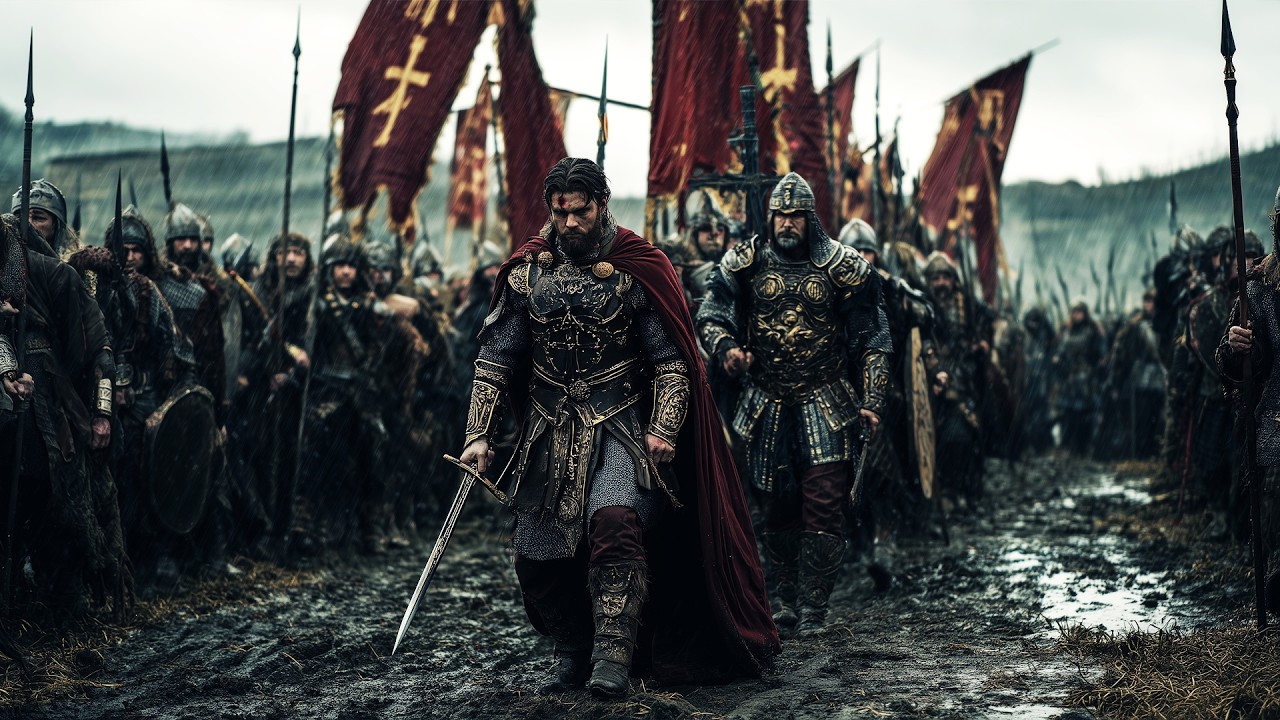
This is a folk song from the island of Karpathos, belonging to the Akritic genre of poetry: a body of text and poetry originating in the Middle-Ages and centred on the stories of the Akritic Corps, the frontier guardsmen of the Eastern Roman Empire. Theirs was a story marked by battles with other civilisations such as the Arabs, and the stories reflect this. Over time, the Akritic stories have made their way into the folk repertoire of the many regions of the Greek-speaking world, and can now be found as folk songs such as this one. This song was first collected and recorded by Greek musicologist Domna Samiou, and it can be listened to here: • Kalomoiris and the Saracen (The Song of Ar...
The folk music of Karpathos is one of the most unique and rich in Greece, with very conservative tendencies compared to other regions. Older lyra constructions with bells on the bow are still used there, with archaic, medieval tunings, and the karpathos bagpipe also has the usage of drones not found in many other bagpipes of the country like the askomandoura or the typical Cycladian tsambouna. Karpathos' music is one of the most clear enduring examples of Greek medieval music and showcases clear archaic and pre-modern tendencies.
Lyrics in Greek:
Του Καλομοίρ’ ο κα-, του Καλομοίρ’ ο καλογιός,
του Καλομοίρ’ ο καλογιός, τη νύχταν εεννήθη.
Ε, τη νύχτα πρι τον πε-, τη νύχτα πρι του πετεινού,
τη νύχτα πρι του πετεινού, πριχού πουλί να κράζει.
Τη νύχτα που εννήθηκε, ζητά ψωμί να φάει
και τρώ’ εννιά φουρνιές ψωμί κι εννιά ισίκλες1 βάλα2
και λάφι και λαφόπουλο και τ’ αλαφιού τη μάνα
και πάλ’ ήκλαιε κι εέρετο3 πως είχε λίο γιόμα.
Τη μάναν του νερώτηξε γιατί φορεί τα μαύρα.
«Υιέ μου, τον αφέντη σου στη φυλακή τον έχου».
«Ευκήσου μου, μανούλα μου, να πα να τονε φέρω».
«Υιέ μου, ’σου μικρόν παιί, για πόλεμο εν είσαι.
Θωρείς την πέρα κάμαρα, την πέρα καμαρίτσα;
Είτ’ του κυρού σου τ’ άρματα κι έπηε να τα πάρεις».
[Πρίχου τα πιάσει πιάνουτο, πριχού τα σείσει σειούτο,
πρίχου τα άλει4 πάνου του εκείνα πορπατειούτο.5
Αμ’ έχει μαύρο ποταμό κι εν ημπόρ’ α περάσει.
Ρίχτει κοντάριν εις τη γη και τ’ άρματά του λάμνει.6
Τον ποταμόν εγιάηκε,7 χωρίς καμό και λάβρα.
Κι απείτι8 πέρα πέρασε κι απείτι πέρα γιάη,
Σαρακηνός του πάντηξεν, αμέρωτο θερίο.
Απάνω στις κουτάλες9 του, τρ’ ανεμομύλια ’λέθα,
απάνω στις βακτύλους του, τρ’ ανδρόυνα κοιμούτο.
Στέκει και διαλοΐζεται πώς να τον χαιρετήσει:
«Να τον ειπώ Σαρακηνό, φοούμαι μη με φάει·
να τον ειπώ αφέντη μου, πάλι ντροπή μού πέφτει.
Ας τον ειπώ Σαρακηνό κι ό,τι κλουθήξ’ ας έρτει».
«Ώρα καλή, Σαρακηνέ».
«Καλώς τον, τον υιό μου».
«Άμε, μωρέ Σαρακηνέ, να πάρεις το χαπάρι,
του Καλομοίρ’ ο μικρογιός πόλεμο θα σου κάμει».
English translation:
Kalomoiris’ youngest boy was born at night,
in the night before the cock crowed.
On the very same night that he was born, he asked for bread to eat,
and ate nine ovens full and nine gallons of milk,
and a deer and a fawn and the doe that bore it,
but still he cried and beat his fists, so little had he eaten.
He asked his mother why she was dressed in black.
“My son, they have your father chained up in a dungeon”.
“Then give me your blessing, mother dear, and I shall go fetch him”.
“But you’re too young, my son, too young to go to fight.
See that room back there over yonder?
Your father’s arms in there are kept, why don’t you go and fetch them?”
[They were in his hands before he took them up,
they were brandished before he swung them
and marching on their way before he girt themself.
Then he came to a black river and could not cross.
Planting his lance in the earth,
he gathered his weapons in his arms
and vaulted the river* without so much as breaking a sweat.
And once he’d crossed over, crossed over to the other side,
he came face to face with a wild beast of a Saracen
with room for three mills a-milling across his shoulders
and room for three couples a-sleeping across his palms.
He stood there and considered how best to address him.
“If I call him Saracen, I fear he may kill me.
If I call him lord, I will bring shame upon myself.
So I’ll call him Saracen and what will be will be”.
“Hail, Saracen”.
“Welcome, my son”.
“Hey, Saracen, I’ve news for you,
Kalomoiris’ youngest son has come to wage war on you”.

Доступные форматы для скачивания:
Скачать видео mp4
-
Информация по загрузке:




![Varangian Guard: Brothers of the North Sea [Old English/Old Norse/Medieval Greek] | The Skaldic Bard](https://imager.clipsaver.ru/KyAKL2_ix14/max.jpg)