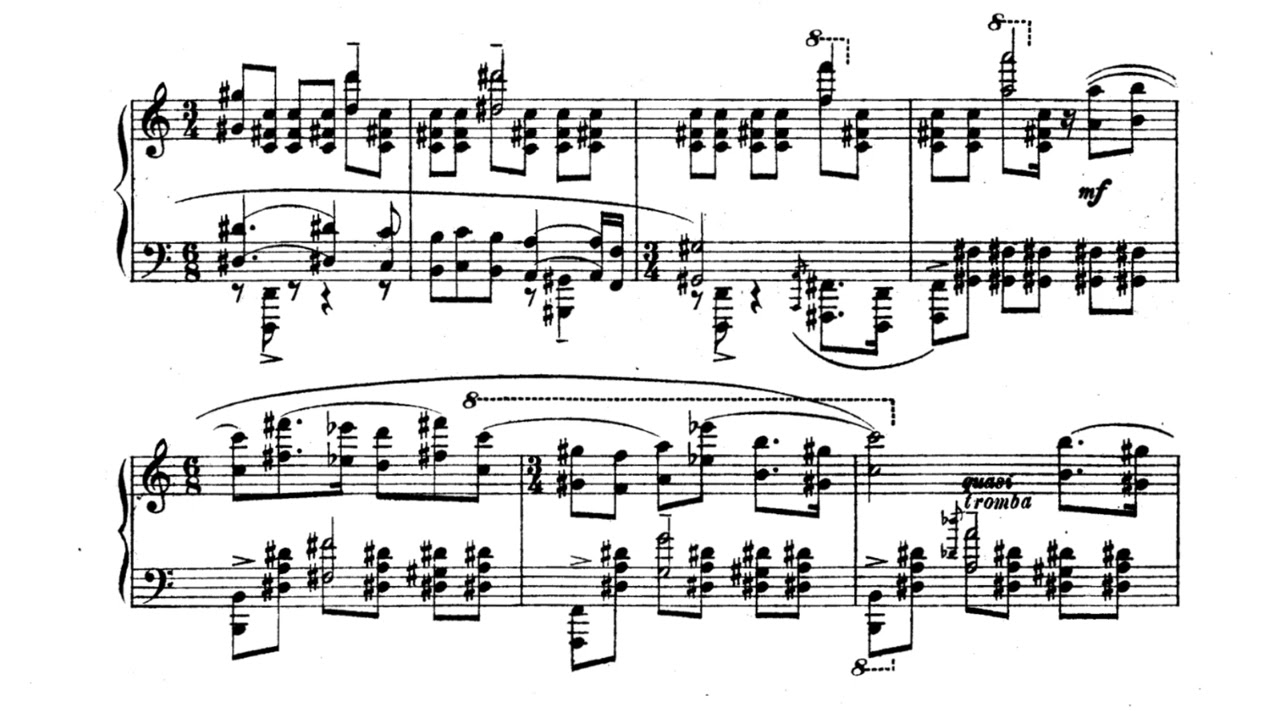
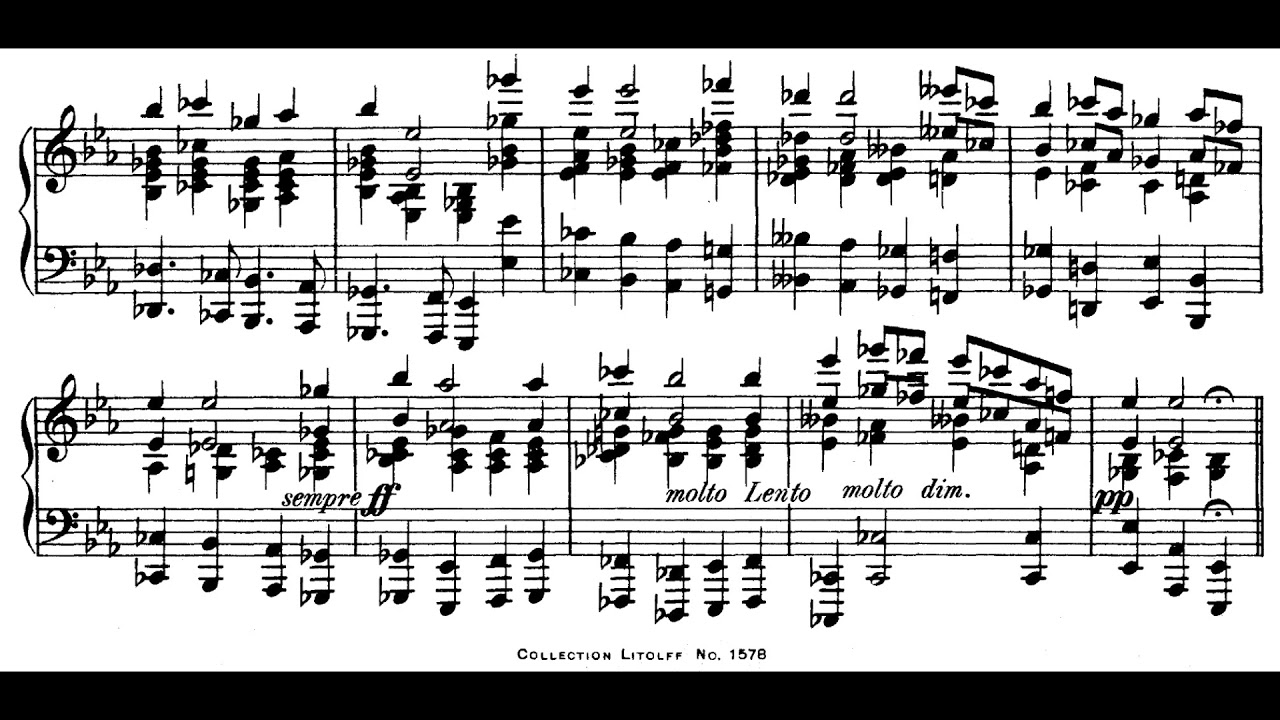
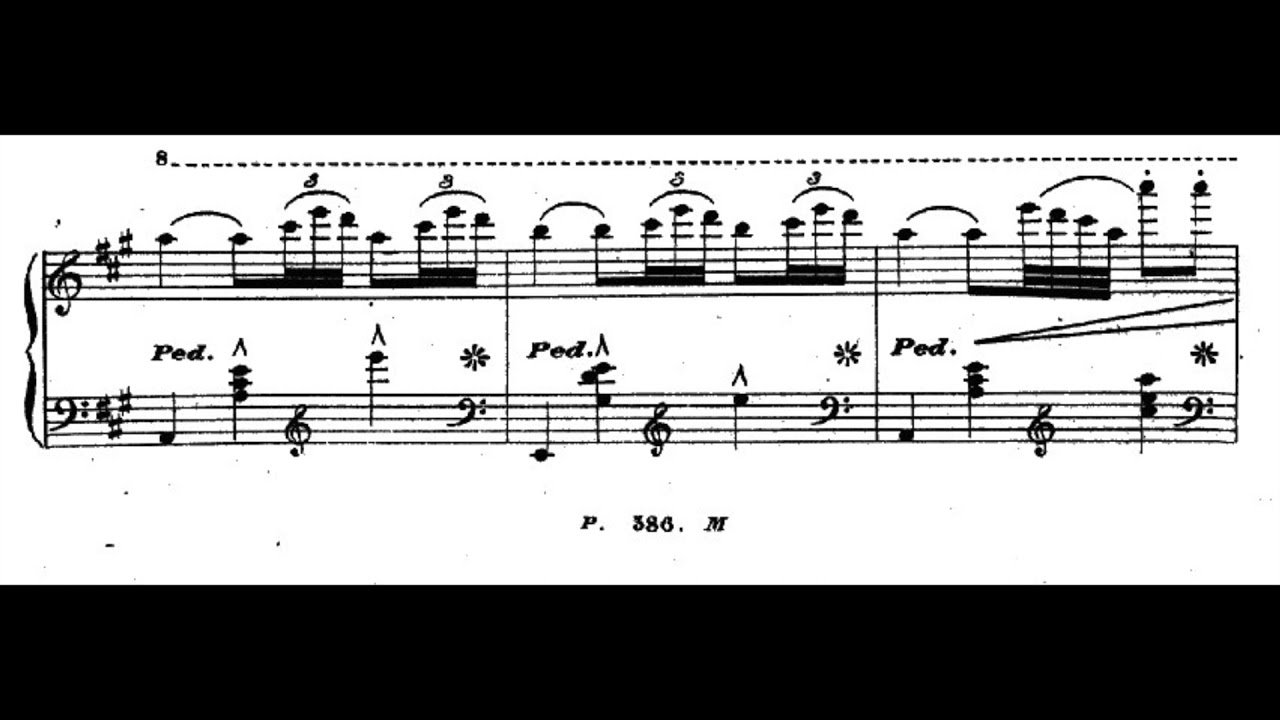
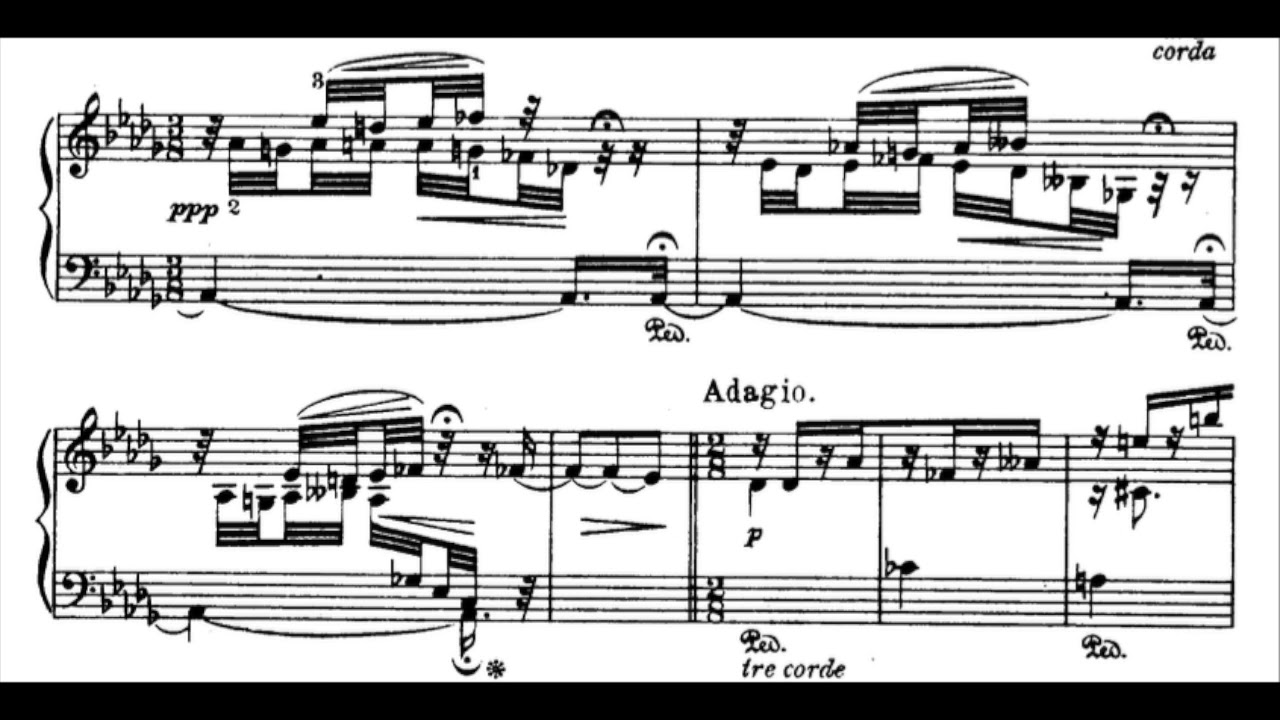
Leoš Janáček - Intime Skizzen (Intimate Sketches)
Автор: fyrexianoff
Загружено: 2021-02-10
Просмотров: 5348
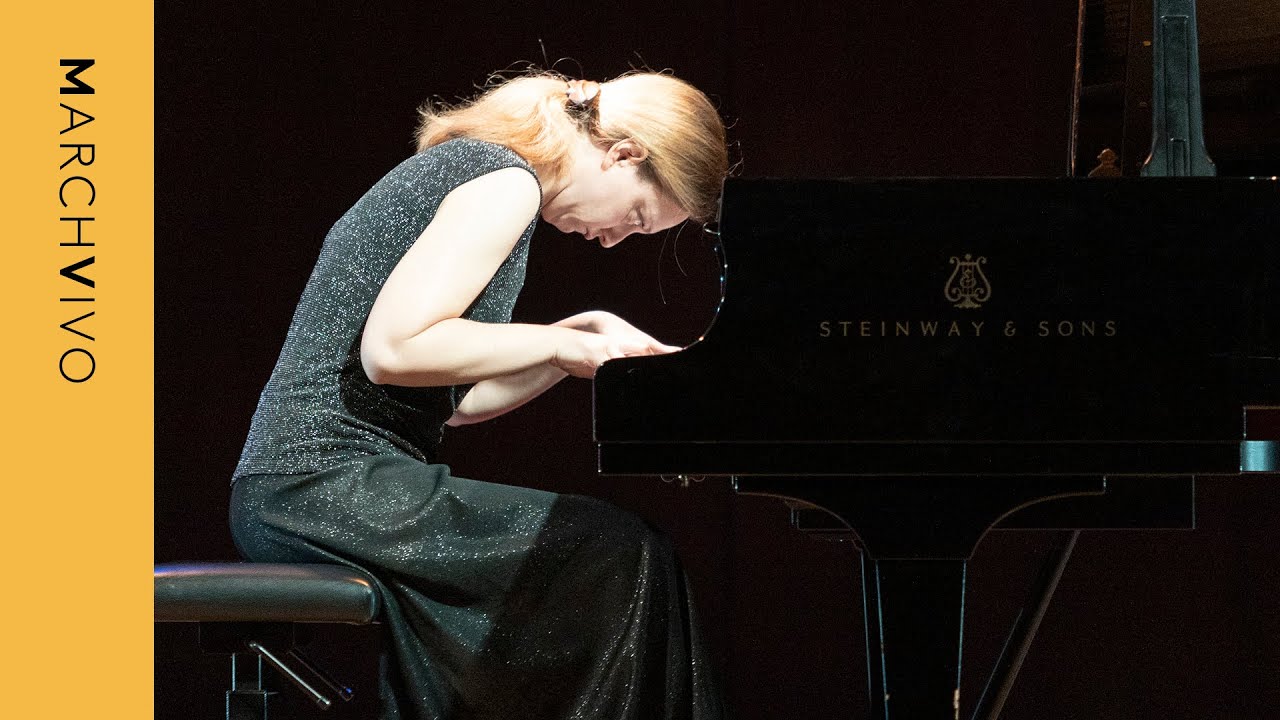
Håkon Austbö - Piano
00:00 Small Palace
01:01 Without Title
01:34 Melodie
02:01 Moderato
03:08 Merely a blind fate
04:08 So that one could never return
05:18 The golden ring
05:30 I will wait for you !
06:03 A Recollection
07:39 To my Olga
08:13 Berceuse
09:06 Lord Jesus Christ is born
Leoš Janáček (1854-1928) was a Moravian Composer and Folklorist. One of his classmates, František Neumann, described Janáček as an "excellent pianist, who played Beethoven symphonies perfectly in a piano duet with a classmate. Janáček originally intended to study piano and organ but eventually devoted himself to composition.
His student days in Prague were impoverished; with no piano in his room, he had to make do with a keyboard drawn on his tabletop. He studied under František Skuherský and František Blažek.
In 1876, he studied in Brno and became a piano student of Amálie Wickenhauserová-Nerudová, with whom he co-organized chamber concertos and performed in concerts over the following two years.
Until 1895 he devoted himself mainly to folkloristic research. While his early musical output was influenced by contemporaries such as Antonín Dvořák, his later, mature works incorporate his earlier studies of national folk music in a modern, highly original synthesis.
In 1905, Janáček attended a demonstration in support of a Czech university in Brno, where the violent death of František Pavlík, a young joiner, at the hands of the police inspired his piano sonata, 1. X. 1905 (From The Street).
Janáček's life in the first decade of the 20th century was complicated by personal and professional difficulties. He destroyed some of his works, others remained unfinished. Nevertheless, he continued composing, and would create several remarkable choral, chamber, orchestral and operatic works, the most notable being the 1914 cantata, Věčné evangelium (The Eternal Gospel), Pohádka (Fairy tale) for 'cello and piano (1910), the 1912 piano cycle V mlhách (In the Mists) and his first symphonic poem Šumařovo dítě (A Fiddler's Child).
In 1920, Janáček retired from his post as director of the Brno Conservatory but continued to teach until 1925. At the same time, he encountered the microtonal works of Alois Hába.
Janáček was deeply influenced by folklore, and by Moravian folk music in particular, but not by the pervasive, idealized 19th century romantic folklore variant. He took a realistic, descriptive and analytic approach to the material. Moravian folk songs, compared with their Bohemian counterparts, are much freer and more irregular in their metrical and rhythmic structure, and more varied in their melodic intervals. In his study of Moravian modes, Janáček found that the peasant musicians did not know the names of the modes and had their own ways of referring to them. He considered their Moravian modulation, as he called it, a general characteristic of this region's folk music.
Janáček was an atheist, and critical of the organized Church, but religious themes appear frequently in his work.
In his later years, Janáček became an international celebrity. He became a member of the Prussian Academy of Arts in Berlin in 1927, along with Arnold Schoenberg and Paul Hindemith. His operas and other works were finally performed at the world stages.

Доступные форматы для скачивания:
Скачать видео mp4
-
Информация по загрузке: