Dissecting the Safety Benefits of Protected Intersection Design Features
Автор: SAFER-SIM UTC
Загружено: 2019-08-30
Просмотров: 119
UTC: Safety Research Using Simulation (SAFER-SIM)
Speaker: Nicholas Campbell from the University of Massachusetts-Amherst
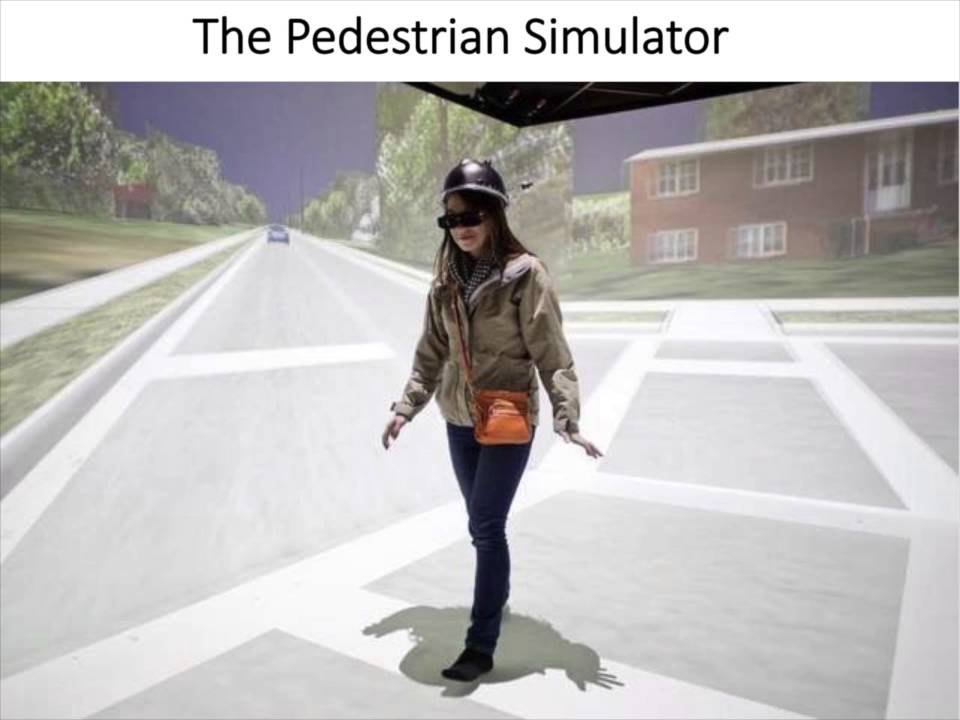
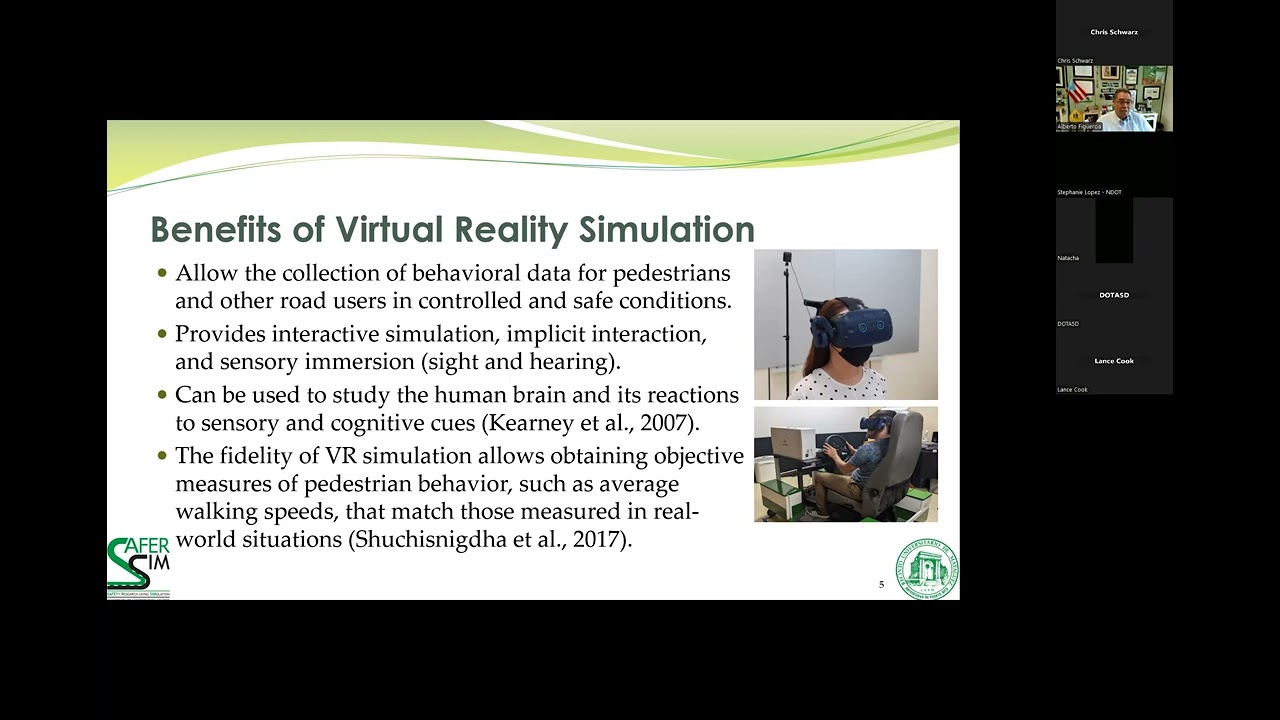
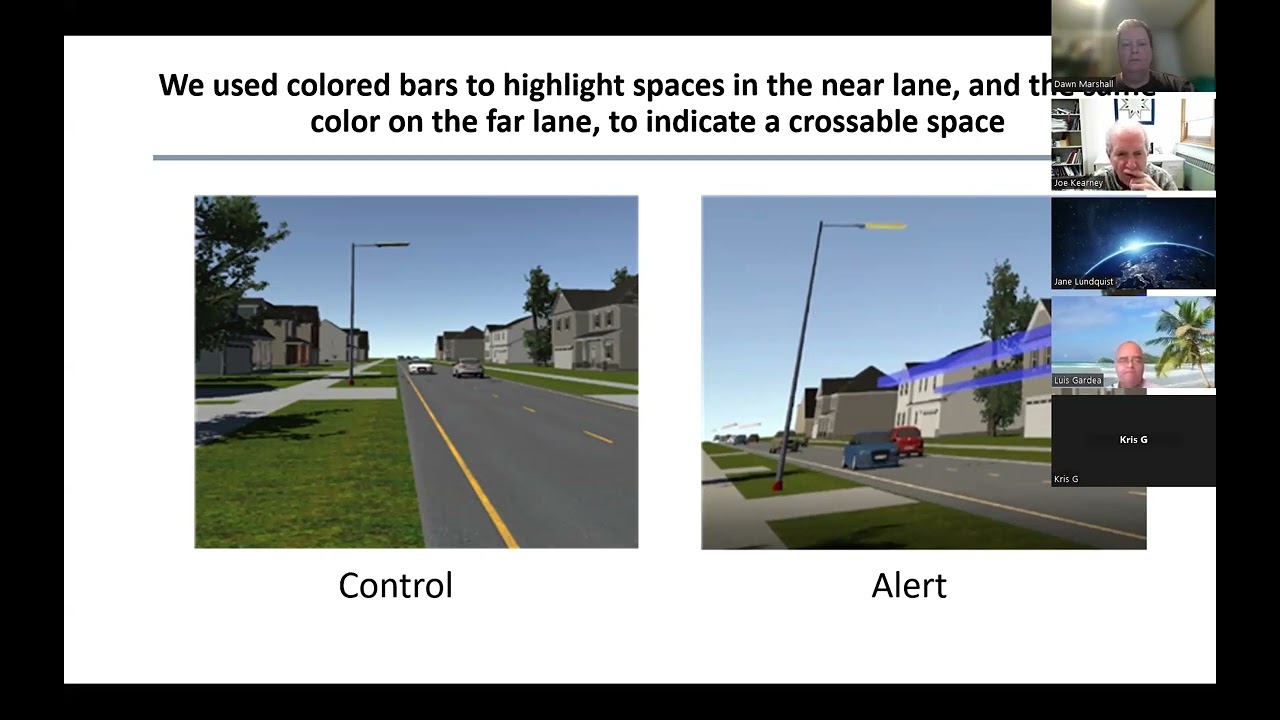
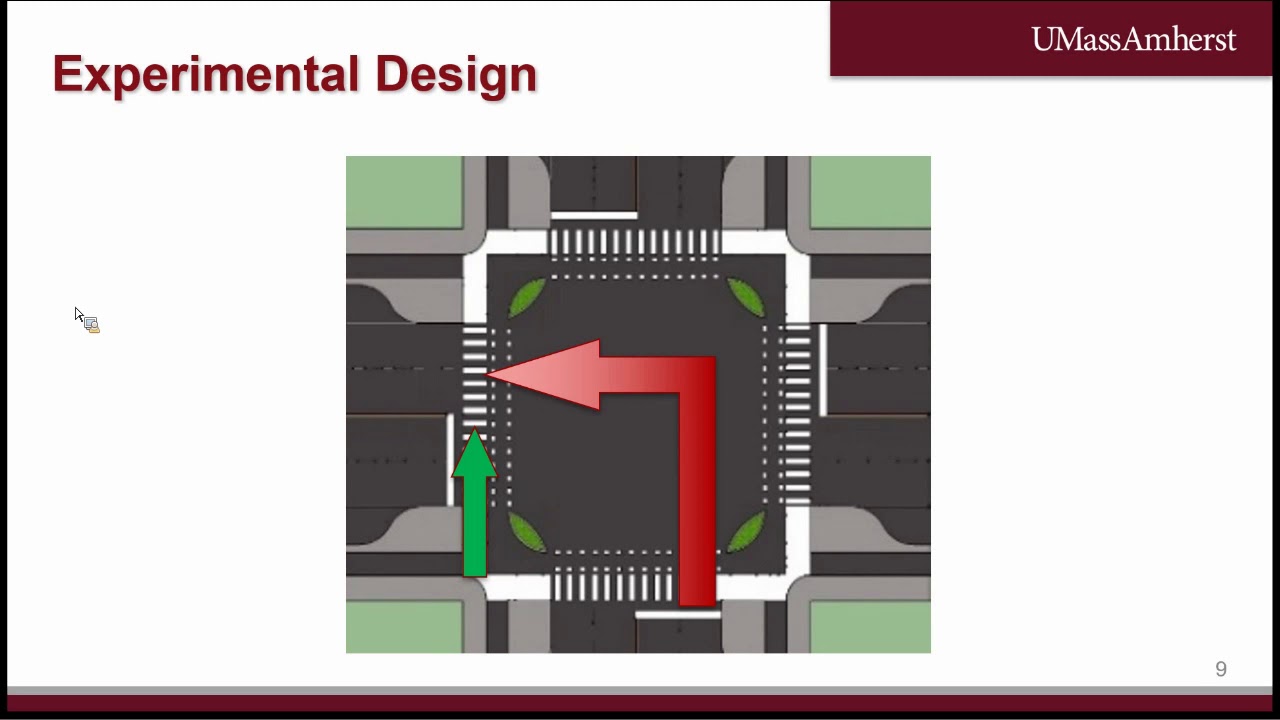
Protected intersections are an integral component of Complete Streets and are used to facilitate safe crossings for bicyclists and pedestrians at intersections. Their placement is ideal after segments with protected bike lanes where drivers might not be aware of bicyclists’ presence. Protected intersections have the ability to increase drivers’ awareness by increasing bicyclist visibility. While frequently implemented elsewhere, protected intersections are a relatively new bicycle treatment for North America. As such, there is a need to understand how its design elements contribute to safe interactions between drivers and bicyclists at an intersection. This study used a driving simulation environment to test the effectiveness of different design elements of protected intersections, such as bicycle crossing pavement markings and intersection radii, on the speed and attentiveness of drivers.
The results indicate that the presence of a bicyclist crossing a protected intersection significantly reduces speeds for drivers performing a right turn through that intersection. Larger intersection radii were found to reduce turning speeds as they are accompanied by larger corner islands and bigger curb extensions. Bicycle crossing pavement markings influenced only approaching speeds prior to the actual turn as that is when they were the most visible. Demographics and bicycling history were also observed to be affecting turning speeds, indicating that design elements alone cannot determine the safety effectiveness of a protected intersection.
Доступные форматы для скачивания:
Скачать видео mp4
-
Информация по загрузке: