Stucco Skip Trowel Texture with Chatter Lines
Автор: Ken Aberson
Загружено: 2020-05-07
Просмотров: 6425
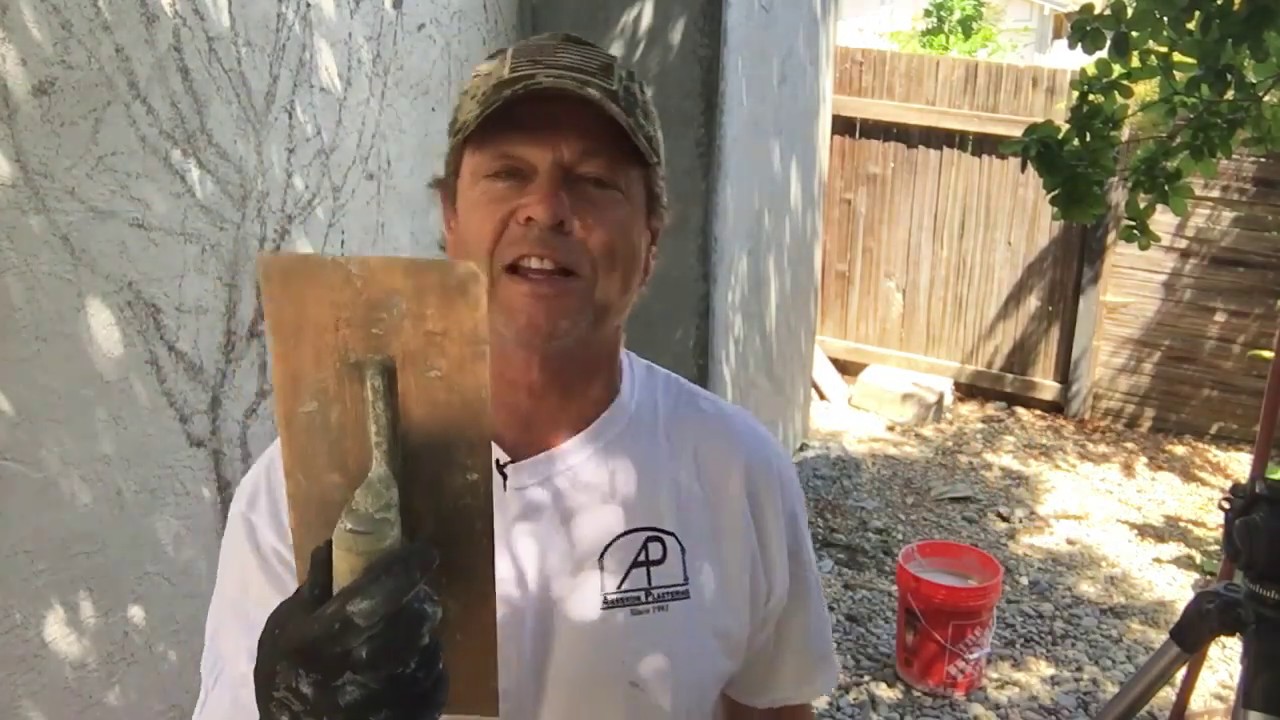
Why do we want chatter lines in our skip trowel texture? That is a matter of opinion. Chatter lines have been around for decades and are now more of a dated element. Nowadays most plastering companies will float the base coat of the textured finish and then apply the actual texture to achieve a beautiful state of the art finish.
I had the opportunity to repair this fireplace on this home that was built in the 1980's. Back then this is the type of texture that was very popular. Also popular was the pre-lace texture, or pancakes, or tortillas as they are often called. This is also prevalent on this home. But it does have some lace as well, just not much.
Here in California with the warmer weather it is most often necessary to wet the walls prior to applying the finish coat. Also as a side note, let's not forget to hydrate the scratch and brown coats as well during the early mornings and as late as possible in the evenings. This will give your walls strength by slowing curing time. Anyway, just before we go to apply the finish stucco we give our walls a good dose of water. I would say copious amounts but thats not the case. If you saturate your walls just before you apply the finish coat, you will need to wait a bit for the water to pool off the wall so that the stucco sticks. It is necessary to keep the hose nearby when the walls are so big that the walls will dry up before you get a chance to put your finish on. Always start from the top and work your way down the wall when wetting them down. If you come to an area that has dried up you will find that it is more difficult to push the mud on the wall, plus you will lose your chatter lines, so hit it again with the water. Why is it necessary to have chatter lines? Well this is old school. Most plasterers today are floating the base of the finish coat before they apply the actual lace skip trowel texture. Lots of talented finish plasterers are highly trained individuals that can deliver a beautiful finish this way. But today we are attempting to match a home that was built before some of you were born.
Ask if you have any questions or suggestions on how to do this better. As many of you know I am a seasoned plasterer, lathing and plaster contractor since 1991. In the early days it was much different than it is today. Seems many things are different that they were yesteryear. Let me give you a few examples.
For one, a hod carrier is called a hod carrier because he's was the one who would carry an aluminum built v shaped bucket on his shoulders up a ladder to the brick layers or plasterers above. Today the hod is a thing of the past. Fast forward a few years. Home Depot and the Homer bucket. wallah the new way to carry mud up a ladder. Yet the bucket is much harder to carry, go figure. I guess the production line on hods fell to new lows over the years. Now new hoodies don't really even know what a hod is. Nor will you see brown stucco when we do the brown coat.
A third example of change over the years is what I believe holds true too many plasterers but not all is the interest of the beauty of conventional stucco. Now granted acrylic stucco will expand and contract with the system and inhibit extensive cracking. Acrylic is also a beautiful finish. When acrylic dries after its initial application it can be a beautiful wall. In fact it is so pretty that you would almost think it was painted. Acrylic stucco comes in any color of the spectrum and can be matched to specifications within 90% of its sample color. this is something that is hard to achieve with conventional stucco. What is the drawback and I bet you are saying to yourself what is Ken trying to say here. Well here it is guys. This is what I think about acrylics. All that I have written above plus this. However there is an even keel when it comes to cost. Because regular (conventional stucco cracks and some people are adamant that stucco isn't supposed to crack. Well these people are just misinformed. You see, stucco is supposed to crack. Its just not supposed to burn, it insulates well and the termites won't eat it. It goes the same for acrylics yes. But here is the thing. Regular conventional stucco is under rated. Once you truly understand art, and I will add that it doesn't take much to learn art, it's the yearning for art that will define who you are and tell you what you want to see. Acrylics are flat, no character, in fact it looks like it was painted on. Whereas regular stucco is natural. regular stucco comes from the earth and so do its colors. Not like acrylic who's colors are made in a factory in St Louis. They are both beautiful finish cladding for residential and commercial applications. The choice is yours. Which would you rather have on your dream home? Acrylic stucco? or Conventional stucco?Sit back and enjoy 11:00 minutes of fun as we embark on a simple journey through time with music by a good friend of mine Jae Humphries and his country hit single "In your eyes" in e major.
Доступные форматы для скачивания:
Скачать видео mp4
-
Информация по загрузке: