Choosing an Instrument
Автор: musEducation
Загружено: 2026-01-25
Просмотров: 3
Choosing an Instrument
Evaluating Musical Interest
Before starting a musical journey, it is important to consider which sounds you enjoy the most. Some people prefer the deep tones of a bass guitar while others like the high notes of a flute. You should listen to different genres of music to see which instruments stand out to you during a song. Think about whether you want to play solo or join a large school orchestra. Choosing an instrument that excites you will make practicing much more enjoyable in the long run.
Considering Physical Requirements
Every instrument requires a different type of physical effort and coordination from the player. For example, playing the trumpet requires a lot of breath control and strong lung capacity. Smaller students might find a full-sized double bass difficult to carry and hold properly. String instruments like the violin require fine motor skills and finger strength to press down the strings. It is helpful to hold an instrument first to ensure it feels comfortable in your hands.
Understanding Maintenance Costs
Owning a musical instrument involves more than just the initial purchase price from a store. Woodwind players must buy new reeds frequently because they wear out or break during practice sessions. Brass instruments need special oil and grease to keep the valves and slides moving smoothly. String players will eventually need to replace broken strings or pay for bow rehairing. You should research these ongoing costs to make sure they fit within your personal budget.
Exploring Different Instrument Families
Instruments are grouped into families based on how they produce sound and what they are made of. The brass family includes items like the trombone and tuba which use a metal mouthpiece. Woodwinds like the clarinet use a thin piece of wood called a reed to create vibrations. Percussion instruments are hit or shaken and include drums, xylophones, and even the piano. Learning about these groups helps you narrow down your choices based on playing style.
Finding a Practice Space
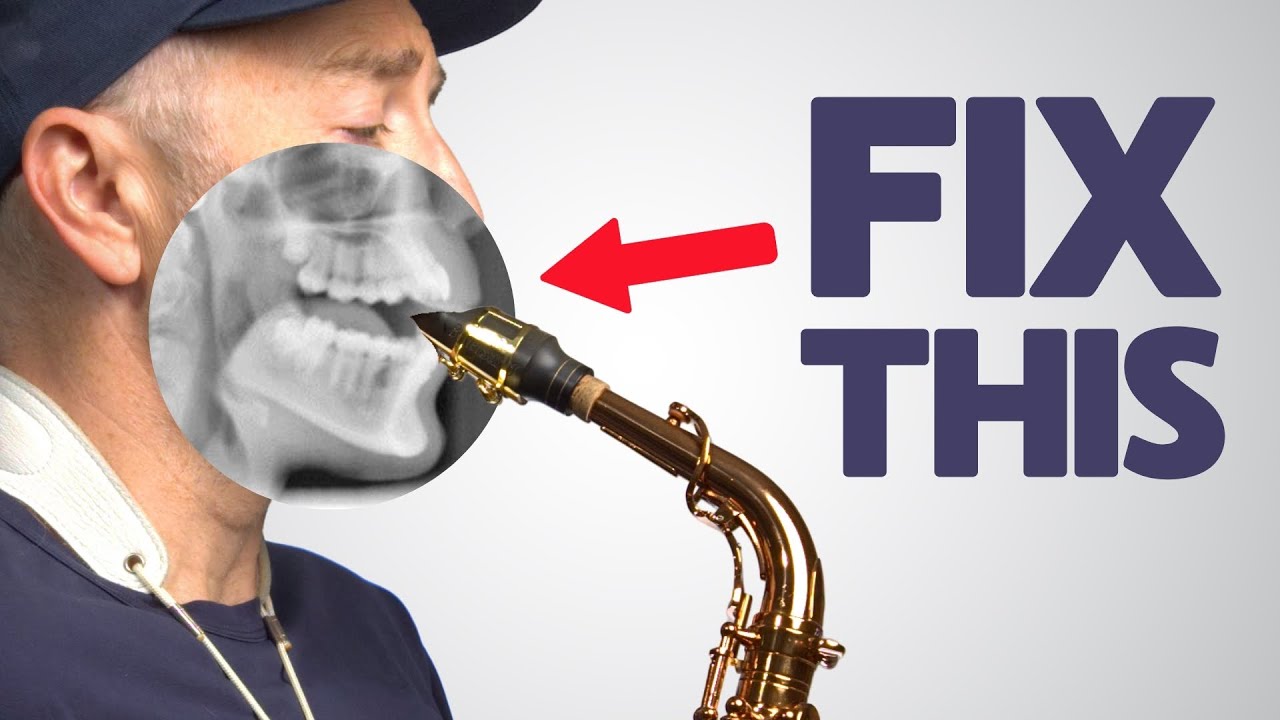
You need a quiet and dedicated place at home where you can focus on your music lessons. Some instruments like the electric guitar can be played with headphones to keep the noise level low. However, instruments like the drums or the saxophone are naturally very loud and might disturb neighbors. Make sure you have enough room for a music stand and a comfortable chair for your posture. Having a permanent spot for your instrument makes it easier to practice every single day.
Evaluating Portability and Size
The size of your chosen instrument affects how easily you can take it to school or lessons. A harmonica or a flute can fit easily inside a small backpack for simple transportation. Larger instruments like a cello or a drum set require a car and much more effort to move. If you plan to travel often, a bulky instrument might become a challenge for you to manage. Consider how much space you have at home for storage when the instrument is not in use.

Доступные форматы для скачивания:
Скачать видео mp4
-
Информация по загрузке: