Limestone Cave Houses | Top Beautiful Limestone Cave Houses. What Do You Think Of Them?
Автор: Your House Design
Загружено: 2024-08-15
Просмотров: 5479
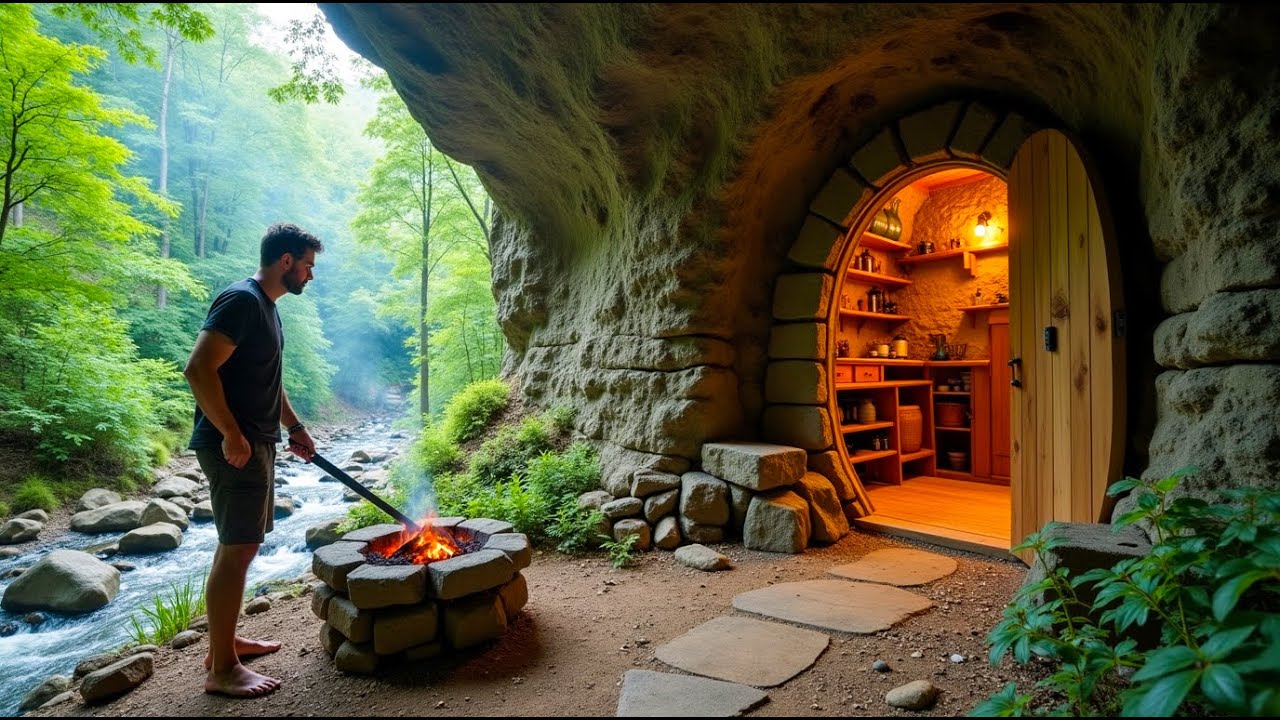
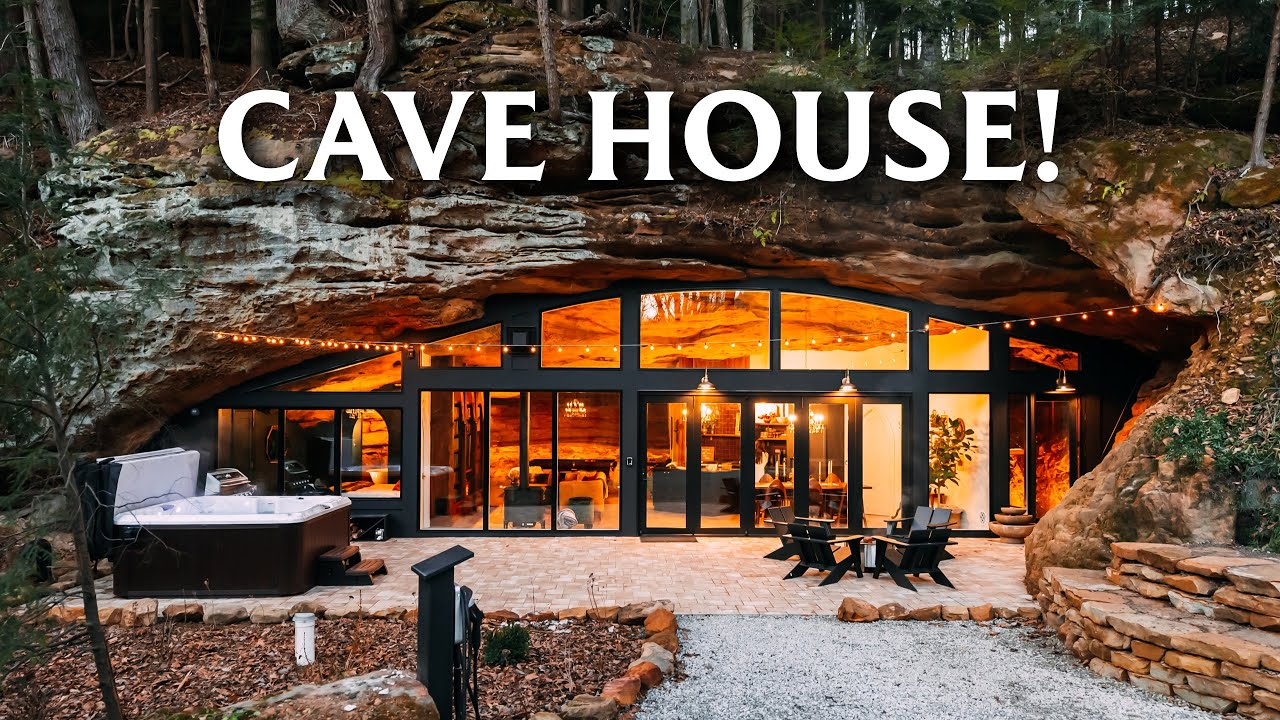
The idea of inhabiting a cave might seem primitive, a relic of humanity’s earliest days. Yet, the practice of carving homes into limestone cliffs has endured for millennia, offering a unique blend of practicality and ingenuity. These dwellings, often characterized by their whitewashed exteriors, have shaped cultures and left an indelible mark on the landscapes they inhabit.
The earliest evidence of humans utilizing natural cavities for shelter dates back to the Paleolithic era. However, the systematic creation of limestone cave dwellings as permanent residences is more closely associated with later Neolithic and Bronze Age civilizations. These early inhabitants recognized the inherent advantages of limestone: its soft, malleable nature made it relatively easy to carve, while its insulating properties provided a temperate environment.
The Mediterranean basin, with its abundance of limestone cliffs and a favorable climate, became a hotbed for cave dwelling. In Greece, the island of Crete boasts some of the earliest examples. Minoan civilization, renowned for its maritime prowess, also exploited the island’s geological features. Limestone caves offered protection from pirates and natural disasters, as well as a cooler respite from the summer heat.
The Italian peninsula, particularly regions like Puglia and Basilicata, is synonymous with cave dwellings. The iconic Sassi di Matera, a UNESCO World Heritage site, is a prime example. These cave houses, carved into the Murgia plateau, have been continuously inhabited since the Paleolithic era. The city's unique topography, combined with the region's economic and social conditions, fostered a culture deeply intertwined with its subterranean dwellings.
Over time, these cave homes evolved from simple shelters into complex living spaces. They were often clustered into villages or towns, with intricate networks of tunnels and passageways connecting the individual dwellings. This communal living arrangement fostered a strong sense of community and cooperation.
The Byzantine Empire, with its extensive reach across the Mediterranean, also embraced cave dwelling. Monasteries were often carved into limestone cliffs, offering seclusion and protection for religious communities. The Meteora monasteries in Greece, perched precariously on towering rock formations, are a testament to the ingenuity and faith of their inhabitants.
While the allure of modern conveniences eventually led many to abandon their cave homes, the tradition persisted in some areas. In Turkey, Cappadocia’s fairy chimneys—unique geological formations—have been carved into dwellings for centuries. The region's distinctive landscape and the resilience of its people have ensured the survival of this ancient housing style.
Today, many of these cave dwellings have been restored and transformed into tourist destinations. While they offer a glimpse into the past, they also represent a sustainable approach to living in harmony with the environment. The thick stone walls provide excellent insulation, and the underground nature of these homes helps to regulate temperature.
The story of limestone cave houses is a testament to human adaptability and resourcefulness. From their humble beginnings as shelters from the elements, they evolved into sophisticated living spaces that shaped cultures and communities. While the world has changed dramatically, the enduring appeal of these dwellings suggests that the human desire for connection to the earth remains as strong as ever. Thank you for watching my video
#mediterranean house
#mediterranean house cost
#mediterranean house design
#mediterranean house plans
#mediterranean house interior
#mediterranean house exterior
#mediterranean house tour
#mediterranean house for sale
#mediterranean house style
#mediterranean house architecture

Доступные форматы для скачивания:
Скачать видео mp4
-
Информация по загрузке: