Jens Bogren: Mixing 'In Solitude'
Автор: Heaviness in Metal Music Production
Загружено: 2025-02-11
Просмотров: 18392
In this insightful interview, Jens Bogren, renowned Swedish metal producer and founder of Fascination Street Studios, explains his meticulous approach to mixing 'In Solitude'. Adhering to his philosophy of balancing sonic precision with expressive performances, Bogren shares how he shaped tones, balanced dynamics, and preserved the organic identity of the recorded material.
🎵 Access the multitracks, stems, and audio exports for free: https://huddersfield.box.com/s/8gren2...
This interview is part of Heaviness in Metal Music Production (HIMMP), a research project funded by the Arts and Humanities Research Council (AHRC), grant reference AH/T010991/1. Hosted at the University of Huddersfield, UK, the project was led by Dr Jan Herbst and Dr Mark Mynett.
Learn more about HIMMP at www.himmp.net.
📢 Watch now to uncover the methods behind Bogren’s signature sound and his nuanced approach to mixing heaviness.
🔔 Subscribe for more interviews, insights, and research into metal music production.
#MetalMusic #JensBogren #Mixing #HIMMP #ahrcresearch
Chapters
00:00 - Introduction and Project Challenges
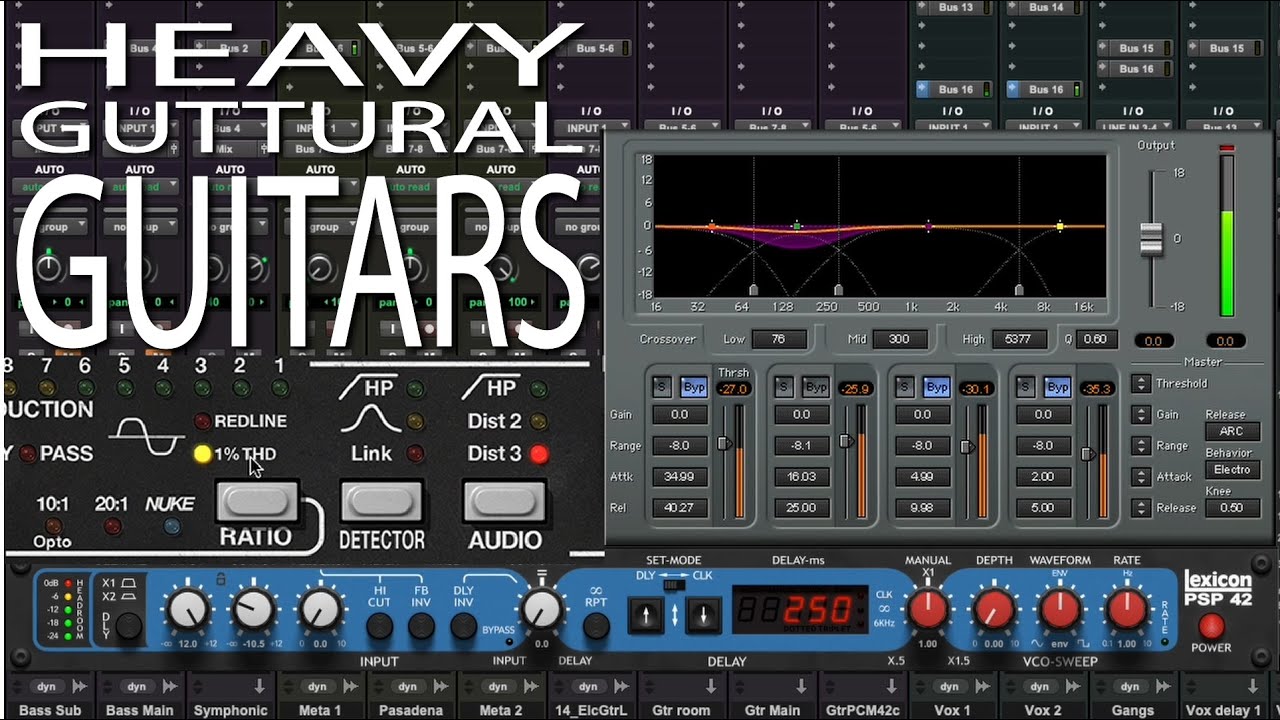
05:34 - Guitar Processing Approach
23:20 - Bass Sound Development
45:15 - Kick Drum Processing
50:02 - Snare Processing Philosophy
58:26 - Vocal Processing Techniques
1:12:01 - Master Bus Processing Chain
Detailed Timestamps
00:08 - Discussing challenges of metal music production
00:40 - Collaboration challenges with remotely recorded files
01:20 - Developing the sonic foundation of an album
01:57 - Evolution of album sound throughout mixing process
02:19 - Balance between different sections and tempos
02:42 - Managing fast blast beats and slower heavy sections
02:57 - Challenges with clean vs. distorted vocals
04:07 - Vocal arrangement and organization work
05:34 - Guitar tracking approach: quad vs. double tracks
06:02 - Using four guitar tracks to even out performances
06:46 - Balance between clarity and heaviness in guitar layers
07:35 - Guitar panning philosophy and stereo field considerations
08:16 - Headphone listening considerations for panning
09:47 - Guitar reamping approach with DI signals
10:25 - Crafting consistent guitar sounds for the album
11:42 - Amp selection for reamping (5150 and Stealth)
12:53 - Cabinet and mic chain considerations
13:49 - Third guitar harmonies processing
14:43 - Comparing guitar sounds from different amps
15:12 - Signal routing and summing approach
16:21 - Guitar EQ philosophy for metal mixes
17:16 - Removing problematic frequencies from guitars
18:36 - Handling EQ across the entire guitar group
19:04 - Multiband compression for palm mutes
19:42 - The importance of palm mutes in metal heaviness
23:20 - Bass processing philosophy and approach
24:29 - Crafting bass sound after establishing drum and guitar tones
25:28 - Preference for dynamic bass sounds with note clarity
26:11 - Bass sound complexity and distortion balance
28:08 - Multiple bass sounds in the same song
29:30 - Note stability and harmonic content in bass
33:02 - Using Tronholm Scar Bass plugin
34:47 - Low-end management with kick drum and bass
36:37 - Frequency-dependent processing for bass
39:21 - Tom and bass interaction management
40:25 - Broadband compression on bass
41:33 - Parallel processing for bass tone
42:28 - Bass bus EQ and limiting
44:31 - Breaking down individual bass sounds and layers
45:15 - Kick drum processing philosophy
45:45 - Preserving natural drum dynamics
46:15 - Sample selection vs. session samples
47:09 - Kick sample blending approach
49:25 - Balancing natural and sampled kick elements
50:02 - Snare processing challenges in metal
50:52 - Handling bleed in snare microphones
51:17 - Physical playing challenges across different sections
52:20 - Snare microphone filtering and gating
53:56 - Extending snare sustain without emphasizing bleed
54:47 - Developing parallel processes for snare ring
56:26 - Layering different snare samples for specific qualities
57:42 - Using a snare "spike" for attack definition
58:26 - Vocal processing approach
59:40 - Preferred hardware vocal chain (1176, LA-2A, Distressor)
1:01:06 - Using compression to shape vocal tone
1:02:58 - Showing full vocal processing chain
1:04:49 - EQ approach on vocals after compression
1:06:20 - Multiband compression as "auto-mixing"
1:06:49 - Vocal distortion for fitting with guitars
1:07:40 - Delay vs. reverb preference on vocals
1:09:00 - Dimension D chorus effect for vocal width
1:09:47 - Multiple delay lines for spatial depth
1:12:01 - Master bus processing chain explanation
1:12:27 - SSL compressor settings and philosophy
1:13:18 - EQ approach on master bus
1:14:01 - Mid-side EQ for width enhancement
1:14:49 - Dynamic EQ and mastering preparation
1:16:05 - Target reference curve approach
1:16:57 - Limiting approach for demonstrations
1:17:36 - A/D converter clipping for mastering

Доступные форматы для скачивания:
Скачать видео mp4
-
Информация по загрузке: