Mechanical Solidarity Vs Organic Solidarity (3 Minute Explanation)
Автор: Helpful Professor Explains!
Загружено: 2025-01-01
Просмотров: 4106
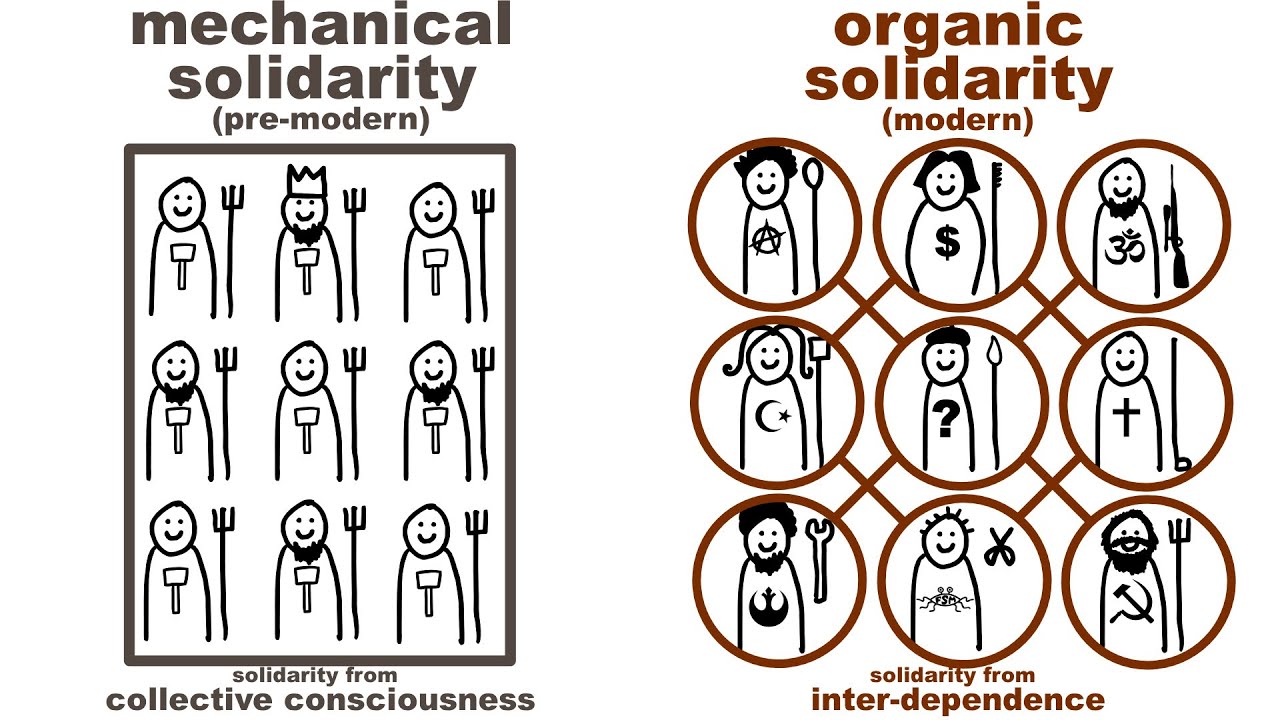
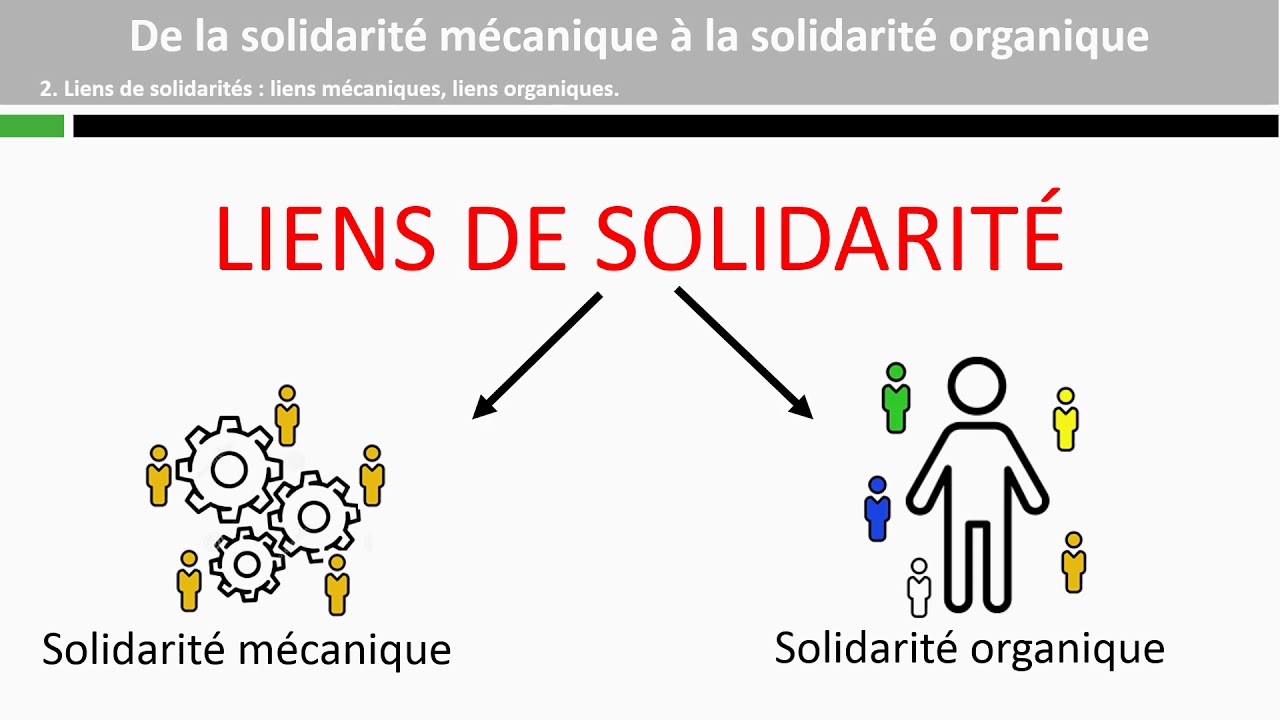
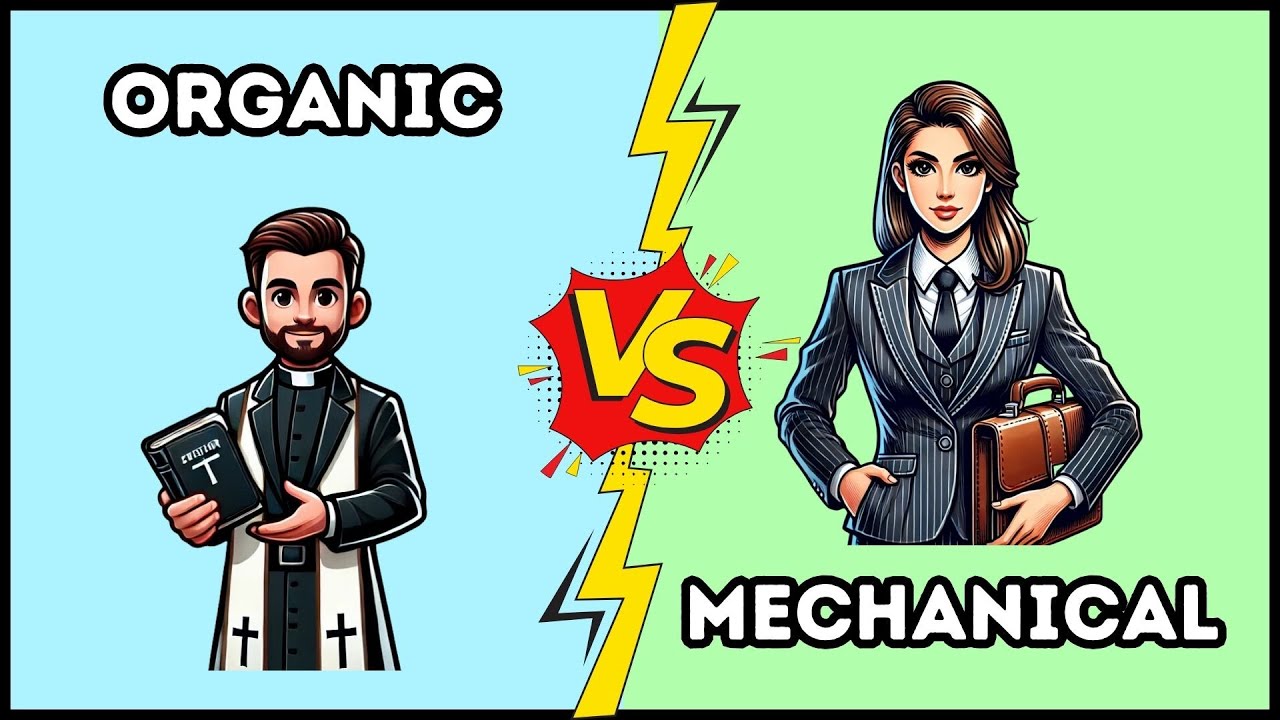
Mechanical solidarity and organic solidarity are concepts introduced by sociologist Émile Durkheim to explain the types of social cohesion that bind societies together. Mechanical solidarity is characteristic of traditional, simpler societies where individuals share similar tasks, values, and beliefs. In such societies, cohesion arises from the homogeneity of its members, who often perform similar work, like farming or hunting. The collective conscience—the shared morals and values of the group—is strong, and individuals feel closely tied to their community through shared traditions and norms.
In contrast, organic solidarity arises in more complex, modern societies where individuals perform specialized roles and tasks. Cohesion in these societies is based on interdependence, as people rely on each other to fulfill different but complementary roles. For example, a doctor, a teacher, and a factory worker all contribute unique functions that sustain the social system. Unlike mechanical solidarity, the collective conscience in organic solidarity is weaker, as diversity in values and lifestyles is more common. However, the specialization of labor creates a network of mutual reliance, fostering social integration despite the differences among individuals.
Доступные форматы для скачивания:
Скачать видео mp4
-
Информация по загрузке: