A Zen (Chan) manuscript from Dunhuang: The Platform Sutra
Автор: The Chinese Alphabet
Загружено: 2022-07-30
Просмотров: 771
This is a talk given on July 30, 2022 as part of the conference "How Zen Became Chan: Pre-modern and Modern Representations of a Transnational East Asian Buddhist Tradition," held online at Yale University.
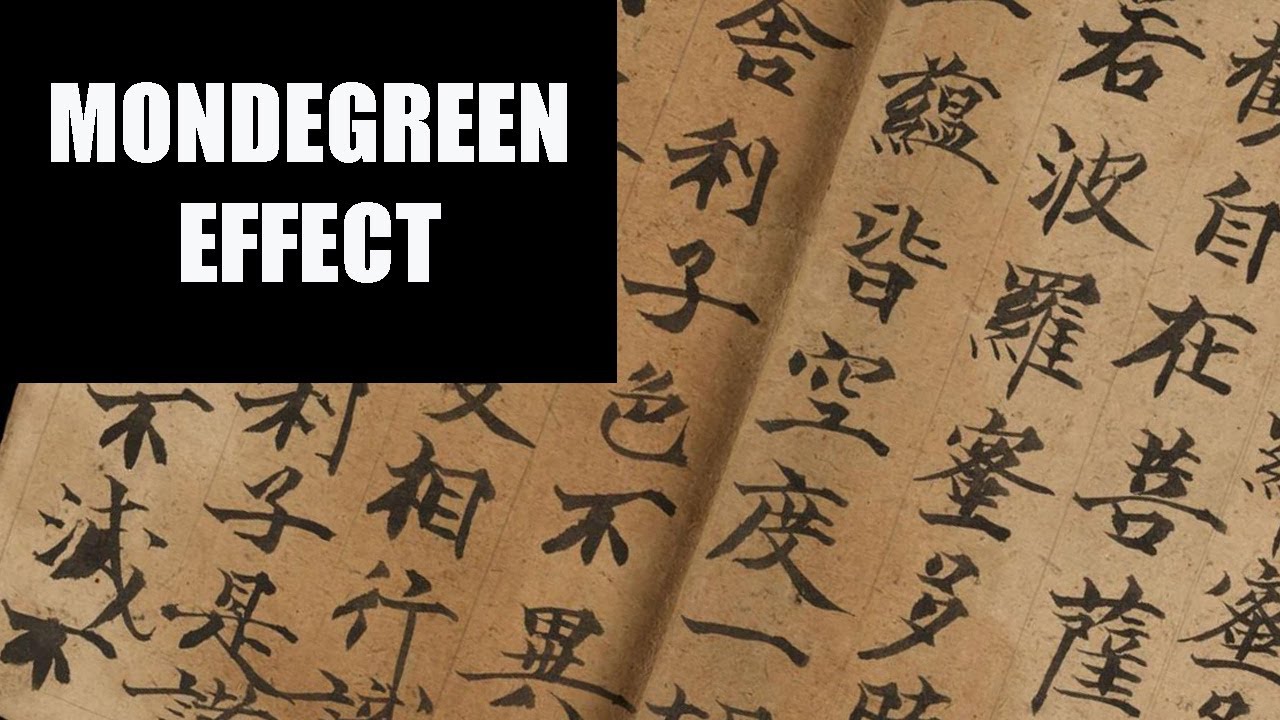
Manuscript S.5475 is one of the most famous Zen (Chan) Buddhist manuscripts, containing the text commonly known as the Platform Sūtra, a text describing the succession of the illiterate and hitherto unknown Huineng as the sixth patriarch. The text has been studied extensively in modern scholarship and has been translated into English by Philip Yampolsky in 1967. This paper examines the manuscript from the point of view of codicology, hoping to complement the work of scholars working on textual criticism and Buddhist studies. This manuscript is one of the key sources for the study of early Chan, primarily because it contains what is often claimed to be the earliest copy of the Platform Sūtra.
The manuscript has been acquired onsite at the Mogao Caves near Dunhuang in 1907 by M. Aurel Stein and was subsequently transported to the London, where it became part of the Stein collection at the British Museum. Following the establishment of the British Library in 1973, the manuscript—along with other manuscripts of the Stein collection, but not the paintings and other artefacts—was transferred to the library, where it remains to this day. The text was first identified by the Japanese scholar Yabuki Keiki in 1923, while the manuscript was still at the British Museum.

Доступные форматы для скачивания:
Скачать видео mp4
-
Информация по загрузке: