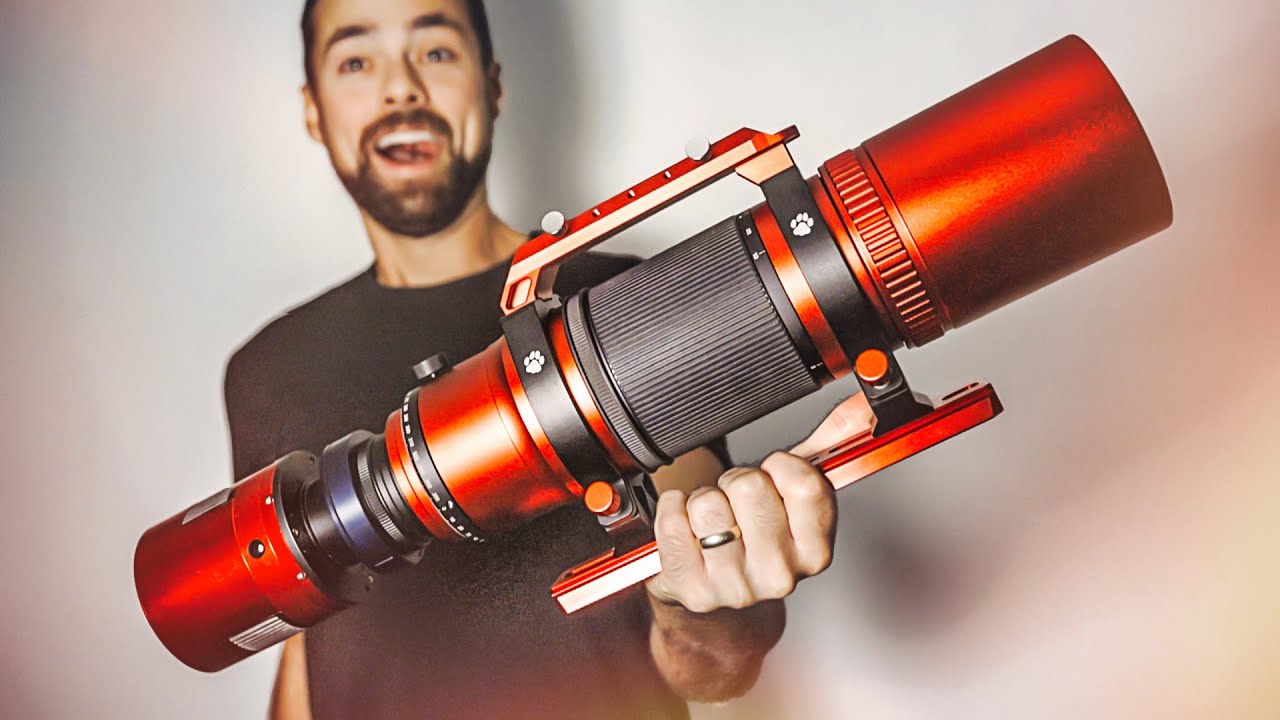
William Optics SpaceCat 51 Apo Refractor Narrowband and Color Imaging - Part 2
Автор: Chris Howard
Загружено: 2019-11-06
Просмотров: 17884
William Optics SpaceCat 51 Apo Refractor Narrowband and Color Imaging
Sorry about the image quality in the video. For higher resolution and quality version see my astro blog: https://saltwaterwitch.com/blog
Focusers for the William Optics Cat series
https://deepskydad.com/autofocuser2/r...
http://k-astec.cocolog-nifty.com/main...
Color with the Cat
The constellation Orion holds a special place in my astronomy-shaped heart, from Barnard's Loop (Sh 2-276) to the Witch's Head (IC 2118) across from Rigel, to the pair of stars at Orion's shoulders, Betelgeuse and Bellatrix, and of course, M42 the Orion Nebula, which we really should continue to call the "Great Orion Nebula" because, well, it's great and arguably magnificent. Among all of Orion's well studied and photographed nebulae is another favorite, the mysterious Messier 78 (M78), an almost violently colored and shaped reflection nebula coiled in dark clouds of interstellar dust that makes it look like it's poised to attack Barnard's Loop. (What is "astronomy-shaped" you ask? Probably something like a refractor telescope shape, or possibly like the stacks of money I have spent on telescopes, cameras, mounts, and other equipment).
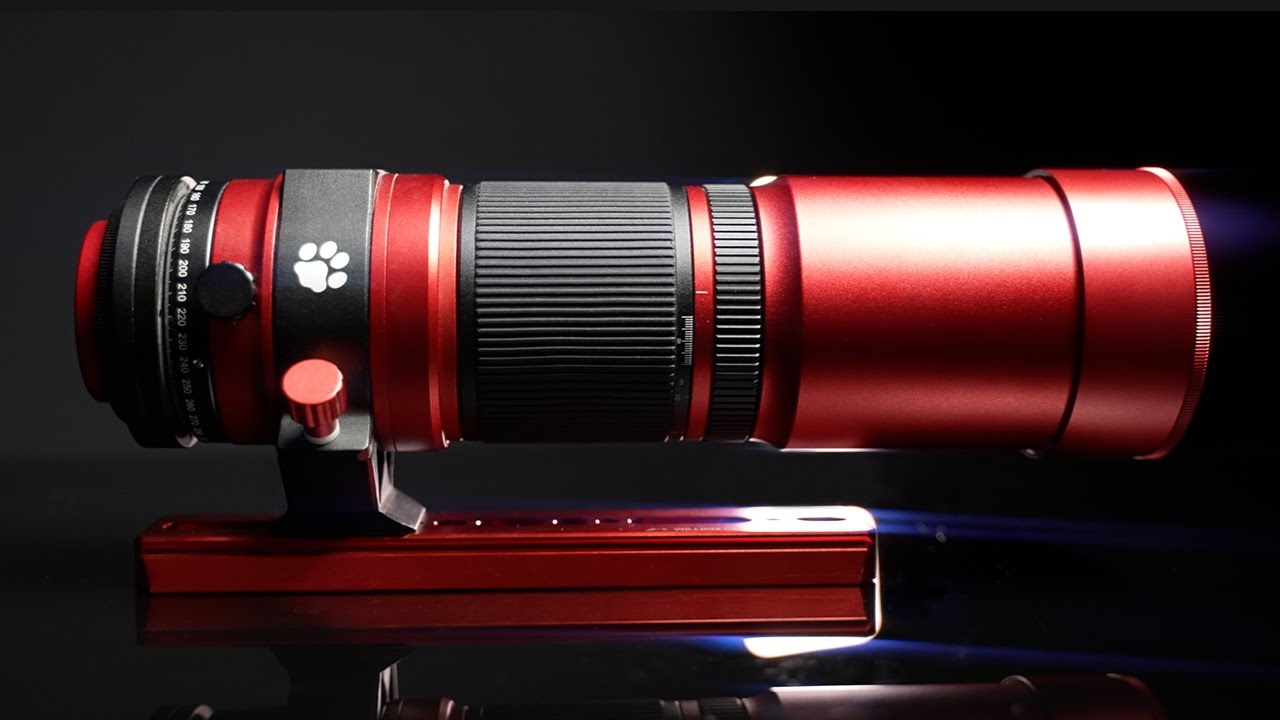
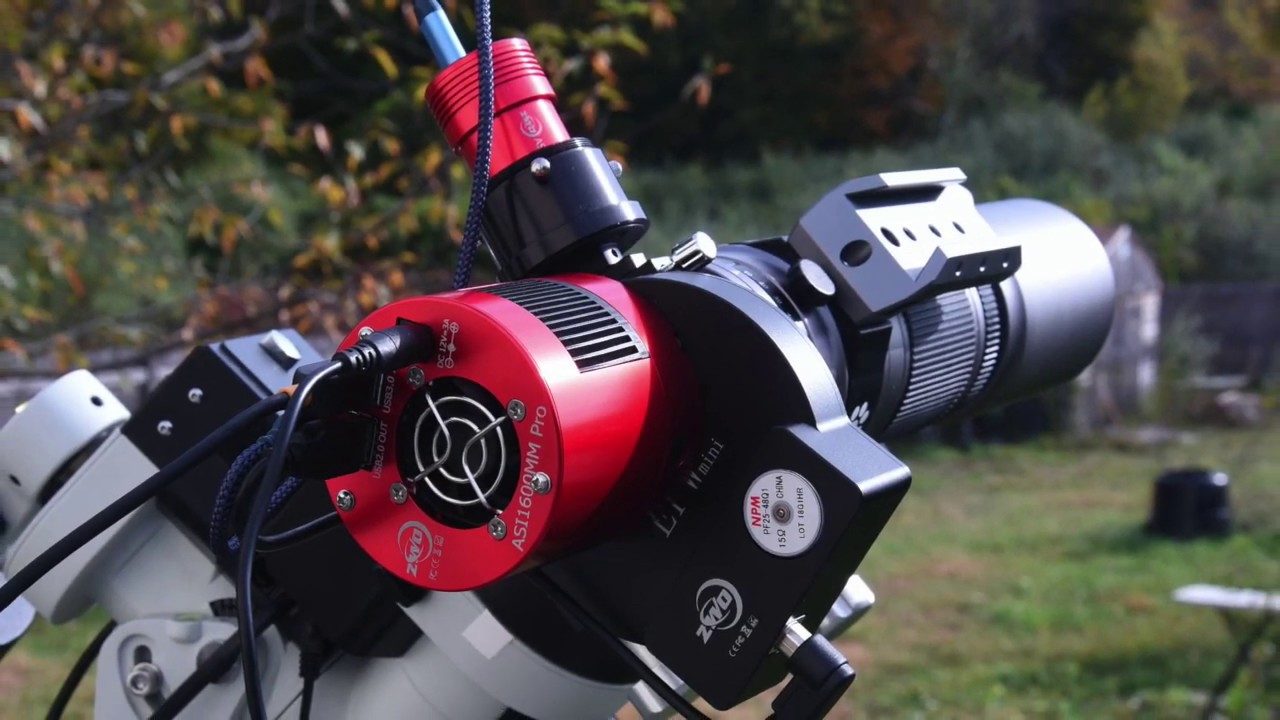
This was an especially busy week at work, a lot going on all around, including my son with an especially bad cold that developed into pneumonia--he spent the week recovering, so it was nice to be able to relax on a Friday night with clear skies, and schedule a somewhat unplanned and wayward imaging run across the autumn night sky. Two of the targets I focused on were M45, the Pleiades, and the M78 reflection nebula in Orion. I was trying out 8-minute exposures with both of these, and they both turned out well. It's always nice to have an early setting moon--or new moon where I can use my ZWO ASI071MC cooled color camera with a normal UV/IR cut filter, and not have to plan around our star's light reflecting off our disproportionately large moon. I shot the following stacked and processed sub-exposures with the William Optics SpaceCat 51 APO Refractor, ZWO ASI071MC camera, on an iOptron CEM25P mount, with 28 x 480 and 600 second subs for M45, and 27 x 240 second subs for M78.
Triangulum Galaxy
M33 Triangulum Galaxy with the William Optics SpaceCat and ZWO ASI071 Cooled Camera and a really old Celestron UHC/LPR filter with longpass bands at 450-550 and 600-700--not exactly the dual narrow band passes of a high-end color filter like the STC Astro Duo-NB, but the results are still pretty good. The filter does a decent job of bringing out the OIII and Ha color ranges, which would be washed out in the full mix of broadband with the IR/UV Cut filter (my normal broadband color config). M33 is about 2.7 million light-years away from us, and it's about 600,000 lightyears across, with 40 billion stars. With this bi-color filtered view the Triangulum shows off dozens of large HII regions at the red end of the spectrum--those are the red and pink masses distributed around the galaxy's spiral arms. My conclusion: you know there's some kick-ass deep sky astrophotography going on right now in any of the developed civilizations in M33. Not that we'll ever know for sure, you know, outside our light-cone and all that stuff. Well, not until we crack that thorny faster-than-light travel problem.
Orion's Belt Region
Here's another shot from last night's imaging with the William Optics SpaceCat51 Apo Refractor and ZWO 071MC cooled camera, a wide-field shot with all three primary stars in Orion's Belt or the Three Sisters, Alnitak, Alnilam and Mintaka. I say "primary" because Alnitak (bottom one in this rotation) is a triple-star system, Alnilam (in the middle) is a supergiant on it's own and is 375,000 times more luminous than our star, the Sun. Mintaka (top) is a double-star system and the two stars orbit each other every 5.7 days. So yeah, I'd like to see that up lose--two massive stars spinning around each other that quickly. Bottom right you can see the Horsehead Nebula (Barnard 33) and NGC 2024, the Flame Nebula to the left and a bit lower than the Horsehead with Alnitak between them. I used the Celestron UHC/LPR filter for these subs, and that's causing the halos around the brighter stars. I know the sticklers out there will think these are an abomination, but I'm okay with them, and I don't see halos as that much different from the diffraction spikes we get with our SCTs or Ritchey-Chrétiens. I mean the freakin' Hubble has diffraction spikes on the stars. I can deal with some haloing.
Доступные форматы для скачивания:
Скачать видео mp4
-
Информация по загрузке: