Production process of Vulcanized shoes
Автор: China shoe factory wholesale
Загружено: 2025-10-23
Просмотров: 100
The production process of vulcanized shoes involves several key steps, combining craftsmanship and industrial techniques to create durable, flexible footwear.
1 Design and Pattern Making:
◦ The process begins with designing the shoe, including its style, shape, and features. Designers create detailed sketches and technical drawings.
◦ Patterns for each shoe component (e.g., upper, sole, and insole) are made, often using computer-aided design (CAD) software or manual templates.
2 Material Selection and Preparation:
◦ High-quality materials like canvas, leather, or synthetic fabrics are chosen for the upper, while rubber compounds are selected for the sole.
◦ The materials are cut into precise shapes based on the patterns, using cutting machines or dies to ensure accuracy.
3 Upper Assembly:
◦ The cut pieces of the upper are stitched or bonded together to form the shoe’s main body. This may include adding linings, reinforcements, or decorative elements like eyelets for laces.
◦ Components such as toe caps and heel counters are attached to provide structure and support.
4 Rubber Preparation for Vulcanization:
◦ Raw rubber is mixed with sulfur, accelerators, and other chemicals to create a pliable rubber compound. This mixture is critical for the vulcanization process, which enhances durability and elasticity.
◦ The rubber is rolled into sheets or molded into specific shapes for the outsole, foxing (the rubber strip around the shoe), and other parts.
5 Vulcanization Process:
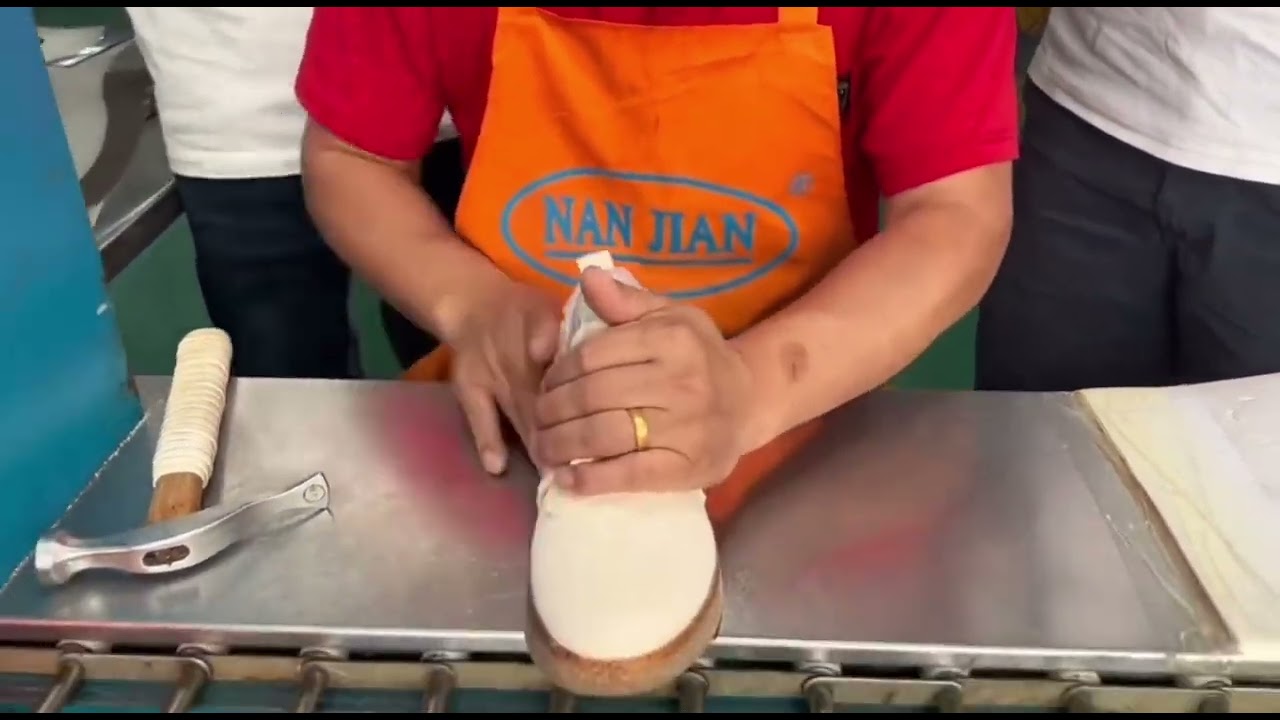
◦ The shoe components (upper, insole, and rubber parts) are assembled on a last (a mold shaped like a foot).
◦ The rubber components are applied to the upper, often with a layer of rubber cement to hold them in place temporarily.
◦ The assembled shoe is placed in a vulcanizing oven or mold, where it is subjected to heat (typically 120–160°C) and pressure. This process, called vulcanization, chemically bonds the rubber to the upper and hardens it, creating a strong, flexible, and durable sole.
6 Finishing and Detailing:
◦ After vulcanization, the shoes are removed from the molds and cooled.
◦ Excess rubber is trimmed, and the shoes are cleaned to remove any residue.
◦ Additional components, such as laces, insoles, or branding labels, are added.
7 Quality Control and Inspection:
◦ Each pair undergoes rigorous inspection to ensure there are no defects in stitching, bonding, or vulcanization.
◦ Tests may be conducted for flexibility, durability, and comfort to meet quality standards.
8 Packaging and Distribution:
◦ The finished shoes are polished, paired, and packaged in boxes or other containers.
◦ They are then shipped to retailers or directly to consumers.
This process results in vulcanized shoes known for their durability, flexibility, and iconic style, such as classic sneakers like Converse or Vans. The vulcanization step is particularly crucial, as it gives the shoes their distinctive strength and ability to withstand wear and tear.
Доступные форматы для скачивания:
Скачать видео mp4
-
Информация по загрузке: