Vegetable Ferments (Sugar Reduction, Tannins & Capping) | Microbial Diversity and Ferment Categories
Автор: Pablo Dumas
Загружено: 2026-01-15
Просмотров: 0
https://docs.google.com/document/d/1_... ctrl+f for 2026-01-15
Audio may be low—turning on captions helps!!
Addition to ferment categories section: For maximum microbial diversity, run two ferments: one backslopped to strengthen dominant strains, and one fresh each time to introduce new strains.
originalVideoTitle: health vegetableFerments sugar tannins airtight majorFermentCategories strains 2026 01 15 22 59 30
This video breaks down vegetable fermentation from a mechanistic and gut-health perspective.
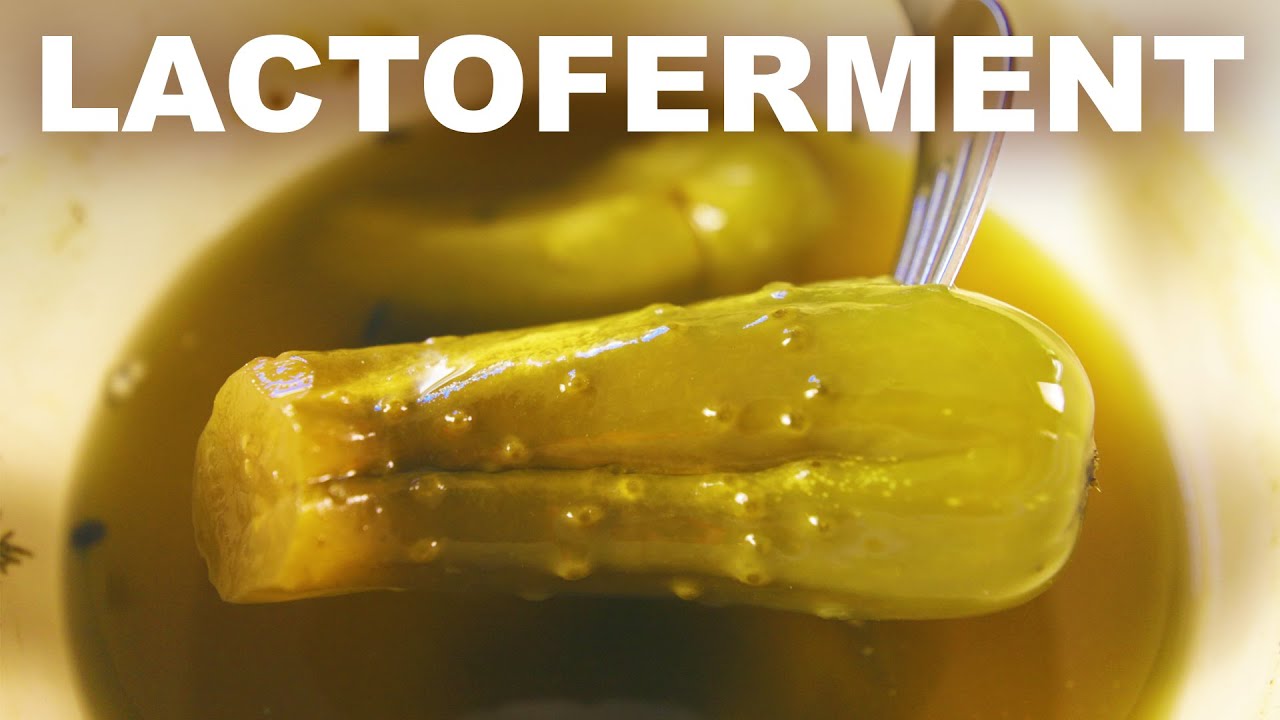
We cover how fermentation reduces sugars (often by 30–100%), preserves fiber, and how factors like salt, tannins, oxygen exposure, and capping methods affect texture, safety, and microbial outcomes. I also summarize the major fermentation categories (vegetable ferments, kombucha, water kefir, dairy, miso, sourdough, vinegar), including salinity ranges, dominant microbes, and estimated strain diversity per category.
You’ll learn:
How fermentation lowers sugars while retaining fiber
Why tannins (black tea, bay leaf) increase crunch—and when they slow LAB
How to cap ferments to minimize oxygen without overcomplicating it
Why salt level defines ferment type and microbial dominance
Which ferment categories maximize microbial diversity
What back-slopping is and why it’s commonly used
Why long-fermented sourdough can reduce lectin activity below detection limits
How miso and sourdough differ microbially (LAB vs molds/yeasts)
This is a practical, numbers-focused overview intended for people interested in gut health, fermentation science, and choosing ferments strategically for tolerance and diversity.

Доступные форматы для скачивания:
Скачать видео mp4
-
Информация по загрузке:










![Неожиданная правда о 4 миллиардах лет эволюции [Veritasium]](https://imager.clipsaver.ru/Unxh6MnVIWc/max.jpg)