SENIORS, 4 Cheeses You Should NEVER Touch and 4 You MUST Eat Daily After 60 | Senior Health Tips
Автор: Dr. Sam Turner
Загружено: 2026-01-25
Просмотров: 188
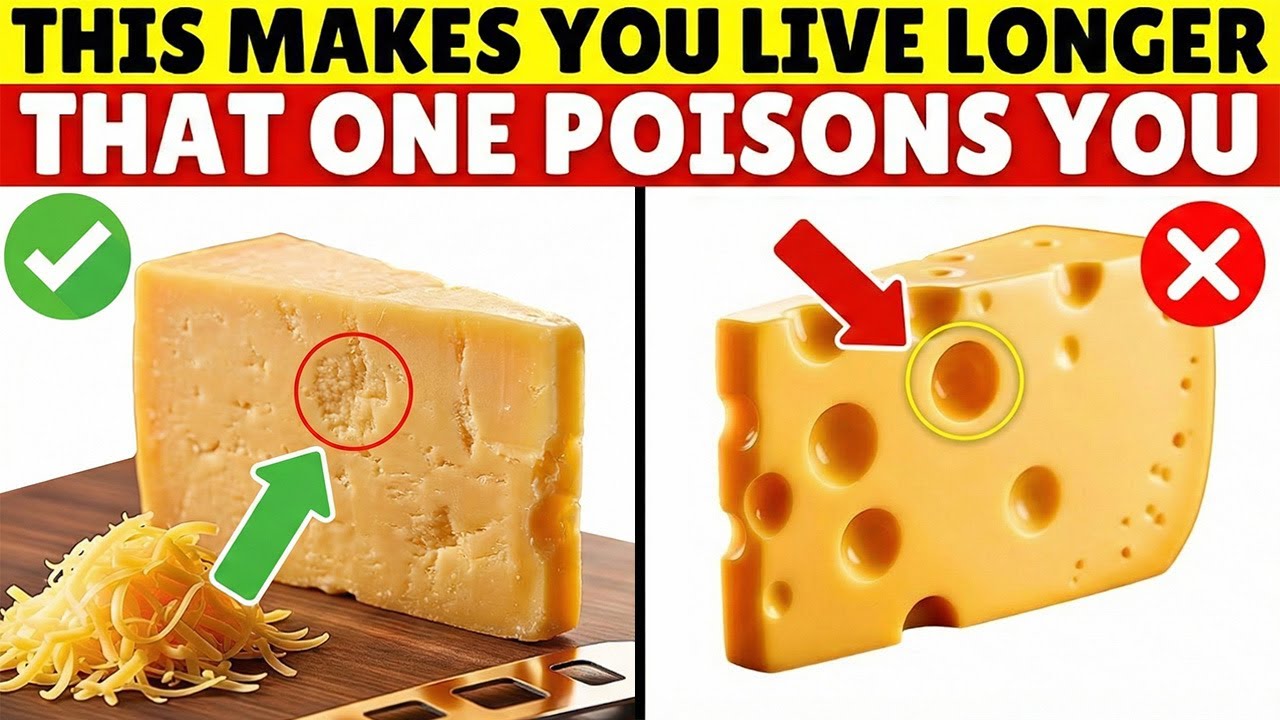
If you've been enjoying cheese without a second thought, you need to hear this. Many seniors describe it as "eating healthy dairy" — but certain cheeses are silently destroying your health after 60, spiking blood pressure by 40%, clogging arteries with saturated fat, and increasing infection risk from dangerous bacteria. The truth is that after 60, your body becomes vulnerable to high sodium, unpasteurized products, and inflammatory fats that steal years from your life — but 4 specific cheeses can actually strengthen bones, reduce inflammation, and extend healthy years.
In today's video, I'll reveal the 4 cheeses to avoid and 4 to eat daily after 60 — backed by research showing which cheeses protect heart health, bone density, and immunity versus which ones trigger heart attacks, food poisoning, and cognitive decline in older adults.
4 WORST Cheeses to AVOID After 60
1. Processed cheese products (Velveeta, American cheese slices, cheese spreads) — These deliver a triple threat that's especially dangerous for seniors. First, they're loaded with sodium — up to 400mg per slice — that spikes blood pressure and strains aging hearts. Second, they contain hydrogenated oils (code for dangerous trans fats) that quietly clog arteries and increase dementia risk by 30%. Third, phosphate additives disrupt calcium absorption, actively weakening bones at a time when you need them strongest. These aren't real cheese — they're laboratory-created products with emulsifiers that disrupt gut health and increase intestinal permeability.
2. Unpasteurized (raw milk) cheeses — Including queso fresco, some brie, camembert, and artisanal varieties. The FDA specifically warns older adults to avoid these because unpasteurized milk carries listeria bacteria that causes life-threatening food poisoning in seniors with weakened immunity. Particularly alarming: even store-bought pasteurized queso fresco has caused illness due to improper handling. The crumbly nature means it's touched repeatedly during preparation, increasing contamination risk. For seniors with diabetes or heart conditions, the dehydration from food poisoning can trigger dangerous complications. Always check labels for "made with pasteurized milk".
3. High-fat, high-saturated fat cheeses — Including double or triple crème brie, camembert, mascarpone, and cream cheese in large amounts. An ounce of mature cheddar contains about 9g of total fat with 6g saturated fat and 30mg cholesterol. These cheeses raise LDL cholesterol, promote arterial plaque buildup, and increase heart attack risk. When consumed regularly, they slow metabolism and cause inflammation throughout aging bodies. Keep portions extremely small if you indulge.
4. High-sodium aged cheeses — Feta, halloumi, roquefort, and some blue cheeses contain excessive salt for flavor and preservation. These can contain hundreds of milligrams of sodium per serving, driving blood pressure dangerously high and straining kidneys that are already less efficient after 60. High sodium also causes fluid retention, swelling, and increased stroke risk.
4 BEST Cheeses to EAT DAILY After 60
1. Swiss cheese — The standout choice for seniors because it's naturally very low in sodium compared to most other cheeses. Swiss provides high-quality protein for muscle preservation, calcium for bone strength, and vitamin B12 for brain health and energy. It's also naturally low in lactose, making it well-tolerated even for those with mild lactose intolerance. Swiss contains vitamin K2, which helps direct calcium into bones rather than arteries.
2. Part-skim mozzarella — Delivers protein and calcium without excessive saturated fat. Fresh mozzarella contains minimal lactose and very low histamine levels (under 10mg per kilogram compared to aged cheeses with 100+mg). It's gentle on digestion, supports muscle maintenance, and provides bone-building nutrients without inflammatory fats.
3. Low-fat cottage cheese — Packed with 28g of casein protein per cup — the slow-digesting protein that prevents overnight muscle breakdown. Cottage cheese is exceptionally high in protein relative to calories, supports muscle preservation, provides calcium for bones, and contains probiotics that support gut health and immunity. Choose low-sodium varieties to maximize benefits.
4. Small portions of aged hard cheeses (cheddar, parmesan, gouda) — When consumed in very small portions (about 1 ounce), these provide concentrated nutrition including protein, calcium, vitamin K2, and potential probiotic benefits from the aging process. Hard aged cheeses contain minimal lactose because most is removed during cheese-making or consumed by bacteria during aging. The key is portion control — a little goes a long way.
Medical Disclaimer: This content is for educational purposes only. If you have kidney disease, heart failure, or dairy allergies, consult your healthcare provider before changing dairy consumption.
Доступные форматы для скачивания:
Скачать видео mp4
-
Информация по загрузке: