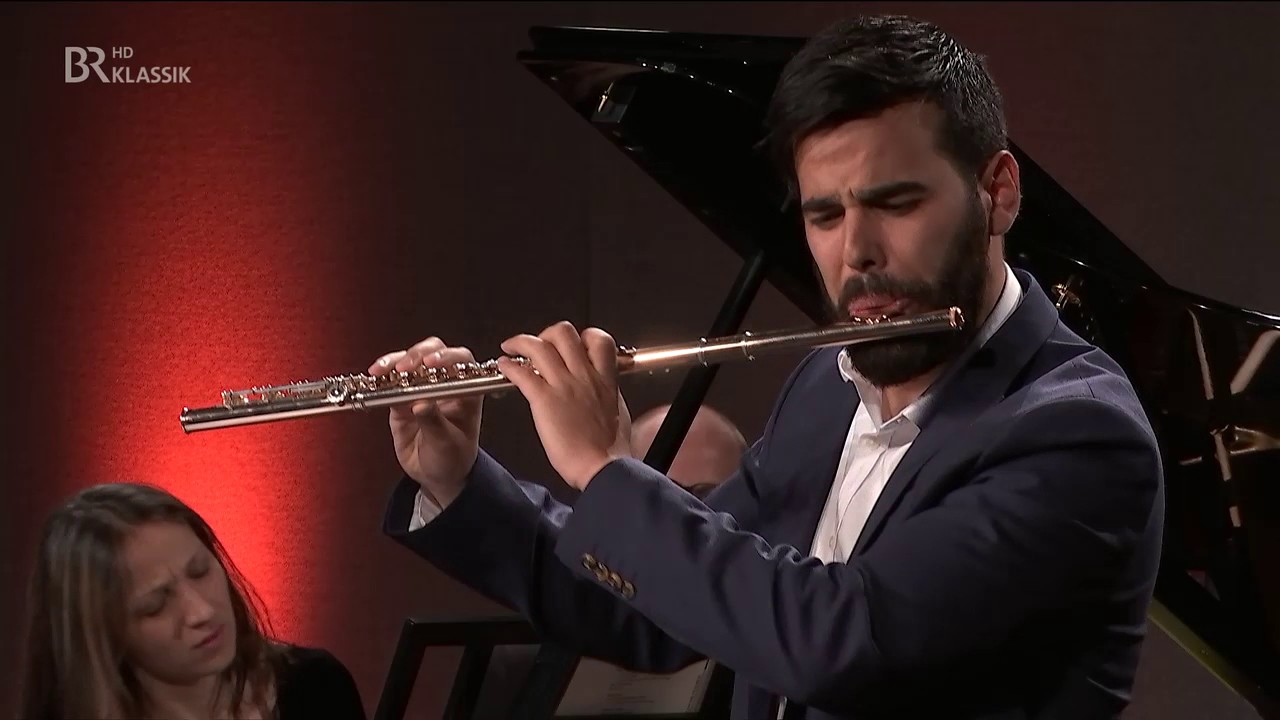
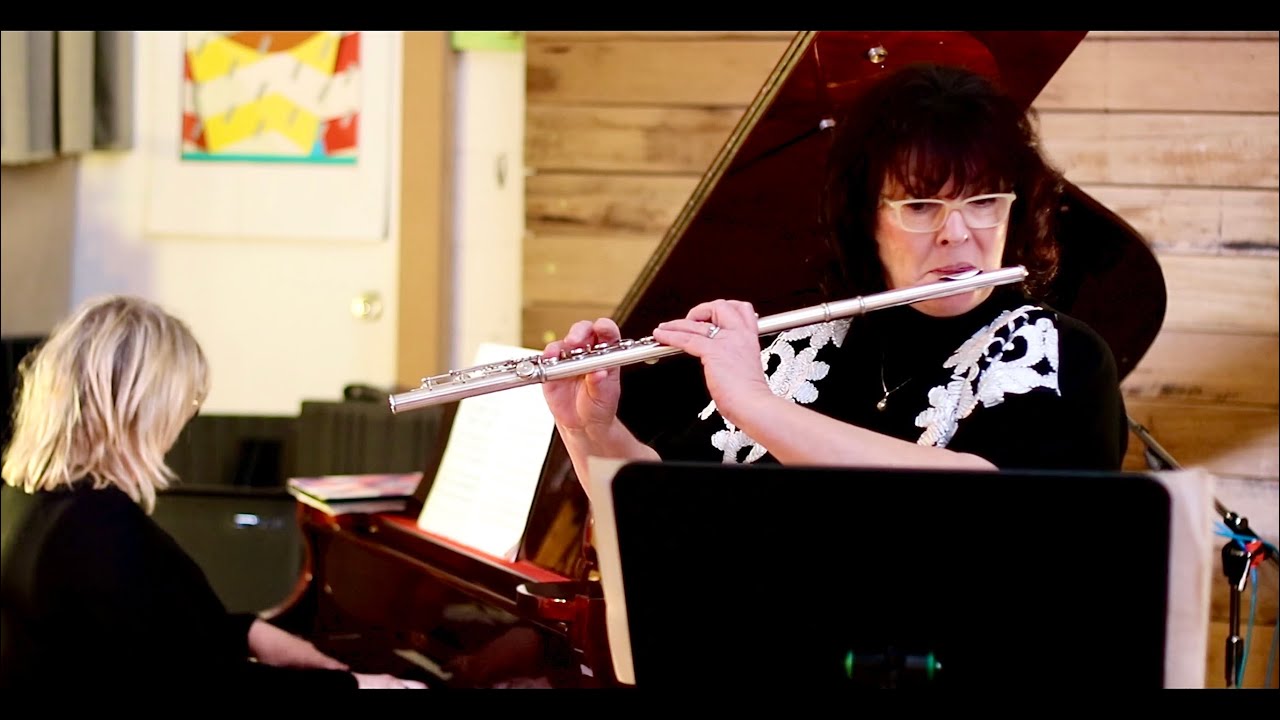
Cantilena - Sonata for flute and piano - Francis Poulenc- The Flautist Eileen Gilligan
Автор: The Flautist Eileen Gilligan
Загружено: 2021-12-07
Просмотров: 2152
Flute music:
Cantilena.
Francis Poulenc 1899-1963
One of the great melodists of the twentieth century, Poulenc was largely self-taught as a composer. He was most noted for his melodies, grace, wit ,irony and sentiment. In the early 1920s he belonged to the Paris-based group of composers Les Six who led the neo-classical movement, rejecting the overstated emotion of Romanticism.
He composed music in all major genres, including art song, chamber music, oratorio, opera, ballet and orchestral music.
Poulenc’s earlier works were lighthearted but following the death of a close friend in the 1930s, Poulenc rediscovered his Roman Catholic faith and replaced neo-classicism with a new-found spiritual depth.
Poulenc also struggled with his sexuality and manic depression which I feel is evident in this Sonata. The Cantilena is a very still interlude between the two very contrasting outer movements, almost the calm before the storm.
To best understand this Sonata , I feel it is crucial to listen to a recording of Jean -Pierre Rampal playing it with Poulenc accompanying him. It is reputed to have been written for Rampal. The piano is very refined compared to many modern performances and gives great insight into his intentions for the piece.
• Poulenc: Flute Sonata, Rampal & Poulenc (1... you tube link to performance
Poulenc’s Life and rich history as well as his many compositions is too lengthy for this section of The Flautist. Here is link to the official Poulenc website which has a vast and comprehensive covered of him.
https://www.poulenc.fr/en/?Biography
What is Neoclassicism?
Neoclassicism in music was a twentieth-century trend, particularly current in the period between the two World Wars, in which composers sought to return to aesthetic precepts associated with the broadly defined concept of “classicism,” namely order, balance, clarity, economy, and emotional restraint. It was a reaction to both the emotional excesses of late Romanticism and the radical dissonance of modernism.
Why choose the Poulenc sonata?
I have chosen it because it explores a wide range of colours , the three registers on the flute, articulation styles, legato phrasing, voice play within the flute line and also between flute and piano and the opportunity to really understand what was happening in Poulenc's life and how it manifested itself in this sonata.
The cantilena is one of the most beautiful movements of flute repertoire to play. It has so much musical depth and requires quiet some insight I feel into him to understand all the little subtleties in the movement. It has all the trademarks of Poulenc’s “still” slow movements.
A cantilena is a lyrical melody, from cantare, Italian for “to sing” and sing it certainly does. There are a couple of brilliant exercises for this movement which we will explore in the subscription section of the Flautist.
Доступные форматы для скачивания:
Скачать видео mp4
-
Информация по загрузке: