RAPID METHOD of sampling Total and Dissolved (Filtered and Non-Filtered) Aqueous Metals - CPW ToxLab
Автор: Pete Cadmus - DNR
Загружено: 2025-06-23
Просмотров: 35
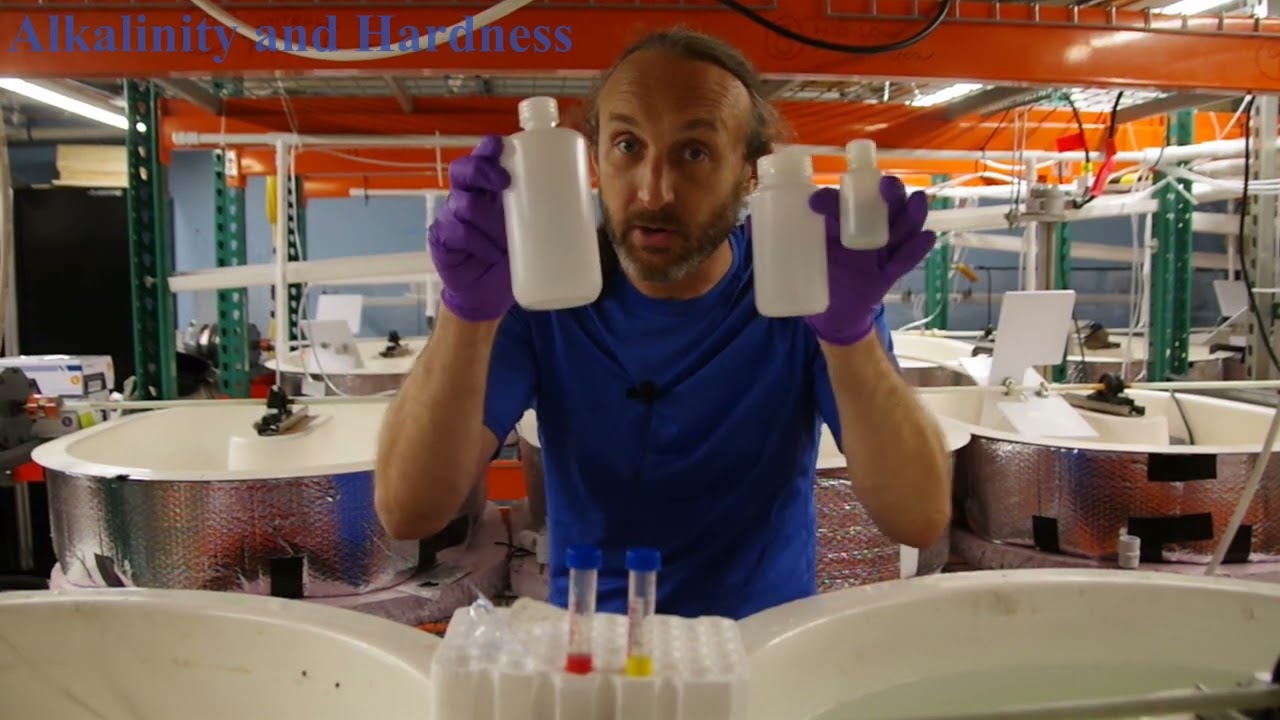
The RAPID METHOD of sampling Total and Dissolved (Filtered and Non-Filtered) Aqueous Metals, also Alkalinity and Hardness is presented in this video. This was created for one off (not expected) requests of water quality from CPW and sisters agencies, from hatcheries participating in dietary studies, YY Brook Trout studies, lateral line deformations, impromptu field sampling, fisheries manager problem solving or toxicant dilluter calibrations.
Sample Aqueous Metals:
-All syringes, filters, optional vinyl tubing, vials and caps must be rinsed 3 times with the water you or obtaining as a sample.
-Always rinse equipment and obtain samples from up-stream of the sampler and his/her sampling team to avoid disturbed sediment or raceway periphyton or other possible chemical contaminates.
-Label Non-filtered (AKA: Total) vial (best done before wet). Use the nomenclature (naming convention) prescribed for your project and your hatchery/stream.
-Dip the vial into the raceway (or stream) and discard the contents in a waste bucket (or on the adjacent terrestrial substrate). Do this rinse 3 times, pouring over the lid as you discard the liquid.
-Repeat this rinse process 3 times.
-After 3 rinses obtain a 4th “dunk” from the water column by lowering the uncapped vial into the water in an upside down orientation, then inverting to open side up, then lifting out of water.
-Flick the excess liquid to the 15ml line (not printed on most brands, signified by a plastic ridge or short line). This ensures 15ml and leaves a little headspace for acid.
-Cap the vial and ensure no leaks when inverted.
-Label Non-filtered (AKA: Dissolved) vial (best done before wet)
-Unwrap a new syringe. Draw water from below the surface (30-50ml minimum).
-Pull the piston completely back, to the stop (a ridge of subtle resistance).
-Shake the syringe to thoroughly rinse the interior surface.
-Shoot the stream of water towards the bank, downstream, or into a waste bucket. Do not start water fights until after sampling is done and all co-workers are armed.
-Repeat this rinse a total of 3 times.
-Obtain a final 4th full draw of 50 to 60ml of water for the sample.
-Label Filtered (AKA: Dissolved) vial (best done before wet). Use the nomenclature prescribed for your project.
-With clean and dry gloves, obtain a new syringe filter. Ensure it is 0.45 µm (micron).
-Put the disk filter on the syringe touching only the leur lock fitting or the outer ridge of the filter (as if holding a coin).
-If a large diameter disk run a minimum of 15 drops through the filter to act as a “rinse”. If a small diameter disk use a minimum of 8 drops as a sufficient “rinse”.
-You are now ready to rinse your new and labeled sable vial for dissolved metals.
-Inject 5 to 10 ml of sample through the filter and into the vial. Cap the vial and shake vigorously. Discard the sample water from the vial, pouring over the cap, into a waste bucket, on the bank of the stream or at least down-stream of the sampler.
-Repeat this rinse process a total of 3 times.
-After 3 rinses obtain a final 15ml sample by injecting 15 ml through the filter into the rinsed vial. Ensure the sample is at the 15ml mark. Obtain more filtered water, as demonstrated above, if the syringe volume was insufficient.
-Cap the vial and invert to ensure a good seal.
-Dispose of filters, syringes, wrappings, and gloves.
Preservation of Aqueous metals:
-Place all equipment and sample vials in a negative pressure chemical fume hood. If not available preserve samples outdoors with wind at your back or side to avoid breathing fumes.
-Don appropriate PPE per your agencies safety protocols for working with concentrated acids.
-Uncap one vial at a time.
-Using a dripper topped acid vial preserve samples with one drop concentrated nitric acid for every 5ml of sample. (3 drops for a 15ml vial. 10 drops in a 50ml vial)
-Recap vial. Ensure the seal is properly seated. Invert 3 times.
-Proceed to acidify every sample intended for aqueous metal assessment (AA, ICP, ICP-MS). This includes Non-filtered (total) and filtered (dissolved) metal samples. (This EXCLUDES optional samples that we may request and could be titled alkalinity, hardness, nutrients, DOC, TOC, etc. )
This is designed to require minimal sampling gear and reagents for storage in vehicles. It avoids acid washing filter holders and sampling gear. All methods have benefits and costs, contact you project manager or consult your SOPs if you stumbled upon this video.
Доступные форматы для скачивания:
Скачать видео mp4
-
Информация по загрузке: