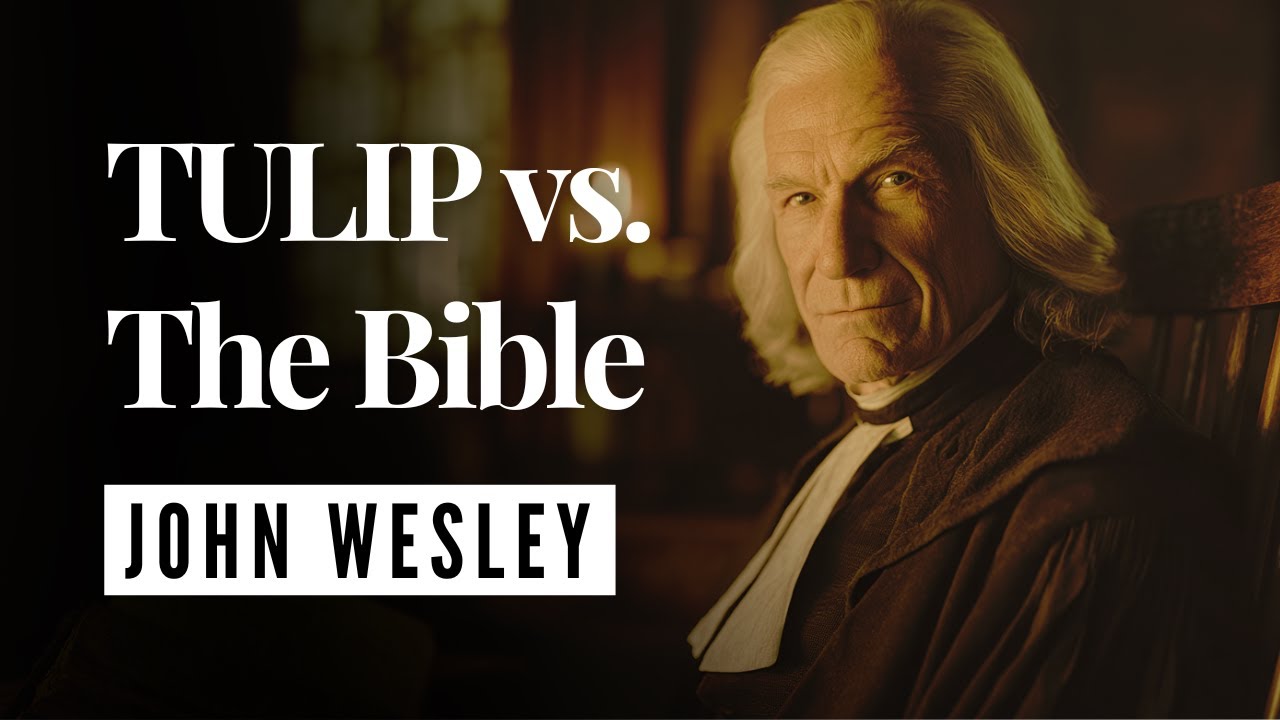
The 5 Points Of Calvinism Explained (And Why Wesley Rejected Them)
Автор: John Wesley Today
Загружено: 2026-01-26
Просмотров: 40
Most Christians have heard the debate between Calvinism and Arminianism, but few actually understand what Calvinism teaches or why John Wesley rejected three of its five points. This isn't another surface-level comparison or tribal argument. This is a rigorous breakdown of TULIP—Total Depravity, Unconditional Election, Limited Atonement, Irresistible Grace, Perseverance of the Saints—explained with intellectual honesty, followed by Wesley's specific biblical objections that most people have never heard articulated clearly.
The five points of Calvinism form an internally coherent system. If you accept Total Depravity as defined by Reformed theology, the rest follows logically. Humans are so corrupted by the fall that they cannot choose God. Therefore, God must unconditionally elect them. If God chose them, Christ's death must be limited in scope to the elect. If Christ died for them, God's grace will irresistibly bring them to faith. And if all that is true, they will certainly persevere to the end. It's airtight—until you ask whether it survives the cross-examination of the whole biblical witness.
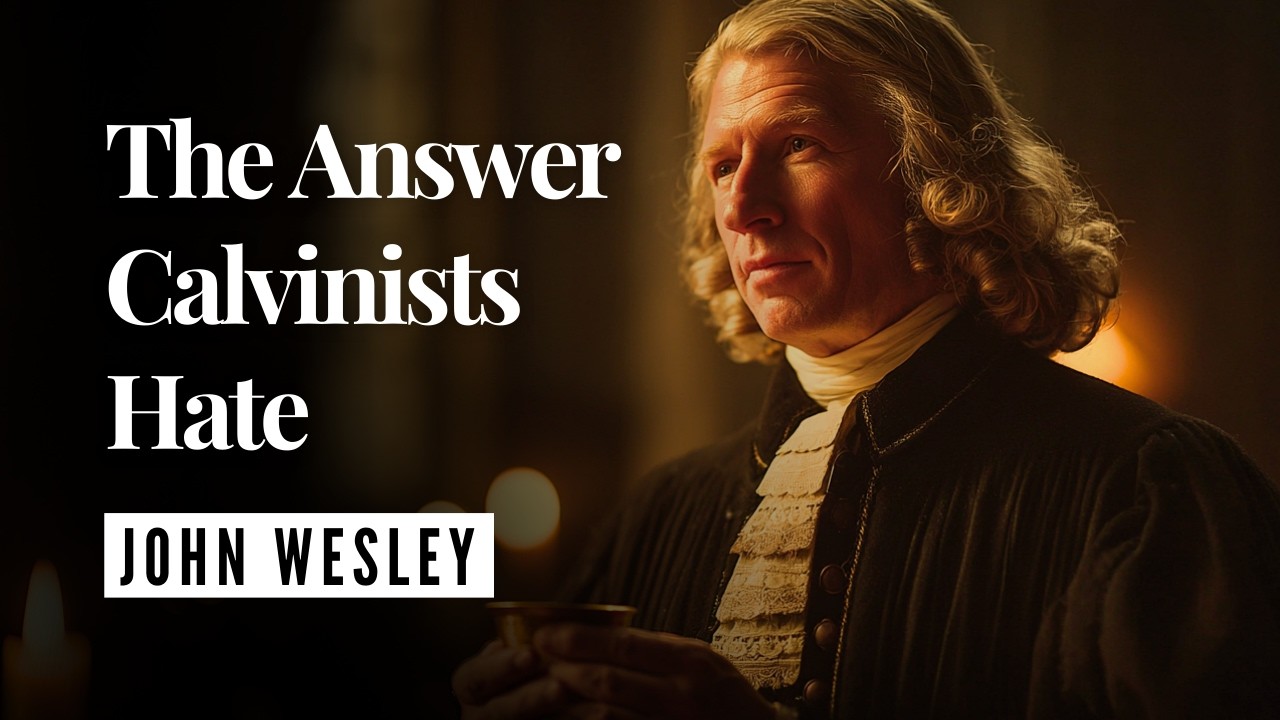
Wesley affirmed two of the five points but rejected Unconditional Election, Limited Atonement, and Irresistible Grace. Not because he was theologically soft or uncomfortable with divine sovereignty, but because he believed these doctrines contradicted Scripture's testimony about God's universal love, the scope of the atonement, and genuine human responsibility. He introduced prevenient grace as the solution—grace that precedes conversion, awakens the conscience, and restores enough moral capacity for a real human response. This is not Pelagianism or semi-Pelagianism. This is a biblical framework that honors both divine initiative and human agency without collapsing into fatalism or works-righteousness.
The stakes are higher than winning theological debates. How you answer these questions determines how you understand assurance, how you proclaim the gospel, and how you pursue holiness. Calvinism grounds assurance in unconditional election but creates anxiety about whether you were truly chosen. Wesley grounds assurance in the objective finished work of Christ and the subjective witness of the Spirit, maintained by continuing faith. Calvinism creates tension in evangelism because you cannot sincerely offer Christ to everyone if He didn't die for everyone. Wesley removes that tension entirely—Christ died for all, the gospel offer is universal, and the question is whether each person will trust Him.
This video equips you to engage the debate without caricature, understand both systems with precision, and articulate why Wesley's framework produces a more coherent pastoral theology. You will know what Calvinism actually teaches, where Wesley drew the line, and what changes in your life when you adopt a Wesleyan understanding of grace, election, and perseverance. This is not about picking sides in a tribal argument. This is about building a theology that survives Scripture and produces real transformation.
Доступные форматы для скачивания:
Скачать видео mp4
-
Информация по загрузке: