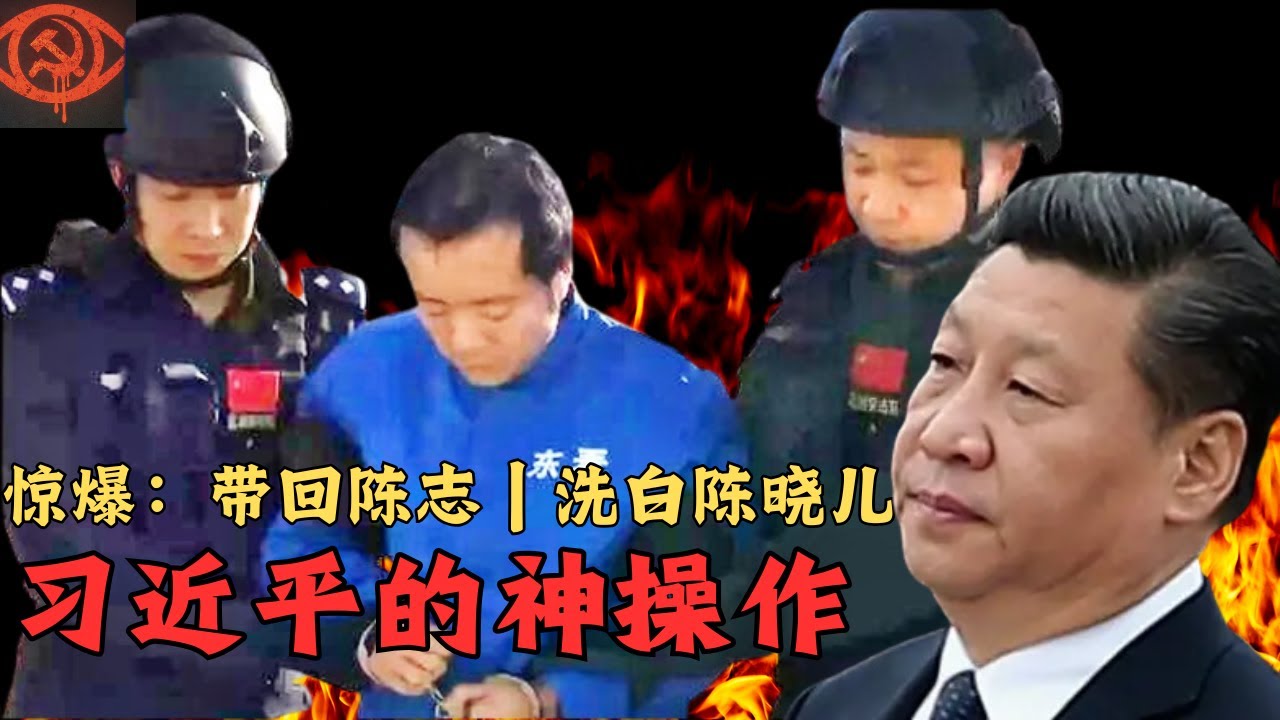
惊爆:带回跑不了的陈志|洗白回不来的陈晓儿|习近平的逆天神操作
Автор: Du Wen 内蒙古杜文
Загружено: 2026-01-09
Просмотров: 189827
成为此频道的会员即可获享以下福利:
/ @duwen2024
惊爆:带回跑比了的陈志|洗白回不来的陈晓儿|习近平的逆天神操作
应很多朋友的强烈要求,今天我们集中聊一下——陈志案。我要先把话说清楚,对于陈志发迹史电诈案,国内外太多媒体铺天盖地报道,关于陈志参与的981工程和与中共高层籍情报系统的千丝万缕联系,很多大师老师们谈了很多,这两点老杜都不谈。老杜要说的是大家不知道或没有注意到的背后的残酷秘密。这不是一个普通的电信诈骗案件,也不是一个简单的跨国犯罪故事,而是一场发生在中美之间、围绕“谁掌握秘密”的国家级博弈。从这个角度看,在这一局棋里,习近平赢了半子。他成功抢在美国之前,把那个“知道得太多、干过太多脏活、绝不能落入美国人之手”的陈志,带回了中国。
很多人到现在还没意识到,陈志到底是什么角色。他不是普通富豪,不是单纯的诈骗集团老板,更不是黑帮头目那么简单。陈志真正的身份,是中共在海外最危险、也最值钱的一只“黑手套”。他与中共最高层关系密切,与国家安全部关系密切,长期承担三类最见不得光的工作:一是钱,负责洗钱、转移、藏匿巨额灰黑资金;二是人,通过诈骗、贩运、控制和消耗那些“可以牺牲的人口”;三是事,为“一带一路”、为地缘政治、为灰色博弈提供现实操作层面的支撑。正因为如此,陈志的问题不在于他骗了多少钱,而在于他知道了多少不能被外人知道的事情。
也正因为这一点,美国、英国才一定要抓他。朋友们冷静想一下,一个横跨多国的诈骗集团头目,如果只是骗钱,美国真的有必要动用财政部、司法部、FBI,甚至英国情报系统同时下场吗?答案只有一个,美国不是要他的钱,而是要他的嘴。只要陈志落到美国司法体系里,只要进入联邦法院的程序,只要启动“减刑换供词”的机制,那么一整条中共高层的灰色权力网络、资金通道、海外布局,就会被一层一层掀出来。这,才是北京真正恐惧的地方。
所以你就明白了,为什么美国这么想抓陈志,也就更明白了,为什么中共一定要抢在美国前面把人弄走。很多人会问一句话:美国不是可以千里奔袭、百万军中取上将吗?委内瑞拉总统都敢抓,怎么就没能从柬埔寨把陈志带走?答案并不复杂,不是美国不想,而是中共出手太快、下手太狠,而且完全不计成本。这不是一次普通的执法合作,而是一场国家安全级别的拦截行动。对北京来说,这一刻不是“配合国际执法”,而是赤裸裸的抢人、截供、封口。
而与此形成鲜明对比的,是另一个人,陈晓儿。真正被系统性“赦免”的,不是陈志,而是陈晓儿。一个人在国内被提前撤案、被法律层面定性为“无罪”,即便后来被美国财政部和英国政府制裁、被国际社会通缉,中国的法律体系已经提前为他筑好了防火墙。这不是失误,更不是巧合,而是一次有计划、有时间差、有明确政治目的的操作。
Breaking Shock: Chen Zhi Brought Back Despite Fleeing | Chen Xiao’er Cannot Be Whitewashed Back | Xi Jinping’s Defiance-of-Heaven Maneuver
At the strong request of many friends, today we will focus on one thing—the Chen Zhi case. Let me first make this clear: regarding Chen Zhi’s rise through telecom fraud, there has already been overwhelming media coverage at home and abroad. As for the so-called “Project 981” that Chen Zhi participated in and his intricate ties with the CCP’s upper-level intelligence system, many commentators and “masters” have already spoken at length. I will not discuss those two points. What I want to talk about is the brutal secret behind the scenes that people either do not know or have failed to notice.
This is not an ordinary telecom fraud case, nor is it a simple story of transnational crime. It is a state-level contest between China and the United States, centered on the question of “who controls the secrets.” From this perspective, in this round of the chess game, Xi Jinping won by half a move. He successfully brought back to China—before the United States could—the Chen Zhi who “knew too much, did too much dirty work, and absolutely could not be allowed to fall into American hands.”
Even now, many people still have not realized what role Chen Zhi actually played. He was not an ordinary tycoon, not merely the boss of a scam syndicate, and certainly not just a simple gang leader. Chen Zhi’s true identity was one of the CCP’s most dangerous and most valuable overseas “black gloves.” He was closely connected to the highest levels of the CCP and maintained close ties with the Ministry of State Security. For a long time, he undertook three categories of the darkest, least presentable work: first, money—responsible for laundering, transferring, and hiding enormous amounts of gray and black funds; second, people—through fraud, trafficking, control, and consumption of those “populations that could be sacrificed”; third, operations—providing practical, operational-level support for the Belt and Road Initiative, for geopolitics, and for gray-zone competition. Precisely because of this, the problem with Chen Zhi was never how much money he scammed, but how much he knew that could not be known by outsiders.
And precisely for this reason, the United States and the United Kingdom were determined to arrest him. Friends, think calmly: if a cross-border fraud syndicate leader were merely cheating people out of money, would it really be necessary for the United States to mobilize the Treasury Department, the Department of Justice, the FBI, and even British intelligence at the same time? There is only one answer: the United States did not want his money; it wanted his mouth. As long as Chen Zhi fell into the American judicial system, as long as he entered federal court proceedings, as long as the mechanism of “sentence reduction in exchange for testimony” was activated, an entire gray power network of the CCP’s top leadership—its financial channels and overseas布局—would be peeled back layer by layer. This is what Beijing truly fears.
In sharp contrast stands another person: Chen Xiao’er. The one who was truly systemically “pardoned” was not Chen Zhi, but Chen Xiao’er. When someone has their case withdrawn in advance inside China and is legally defined as “not guilty,” even if later sanctioned by the U.S. Treasury Department, sanctioned by the British government, and wanted by the international community, China’s legal system has already built a firewall for him in advance. This was neither a mistake nor a coincidence, but a planned operation—with timing differences and with clear political objectives.
Доступные форматы для скачивания:
Скачать видео mp4
-
Информация по загрузке: