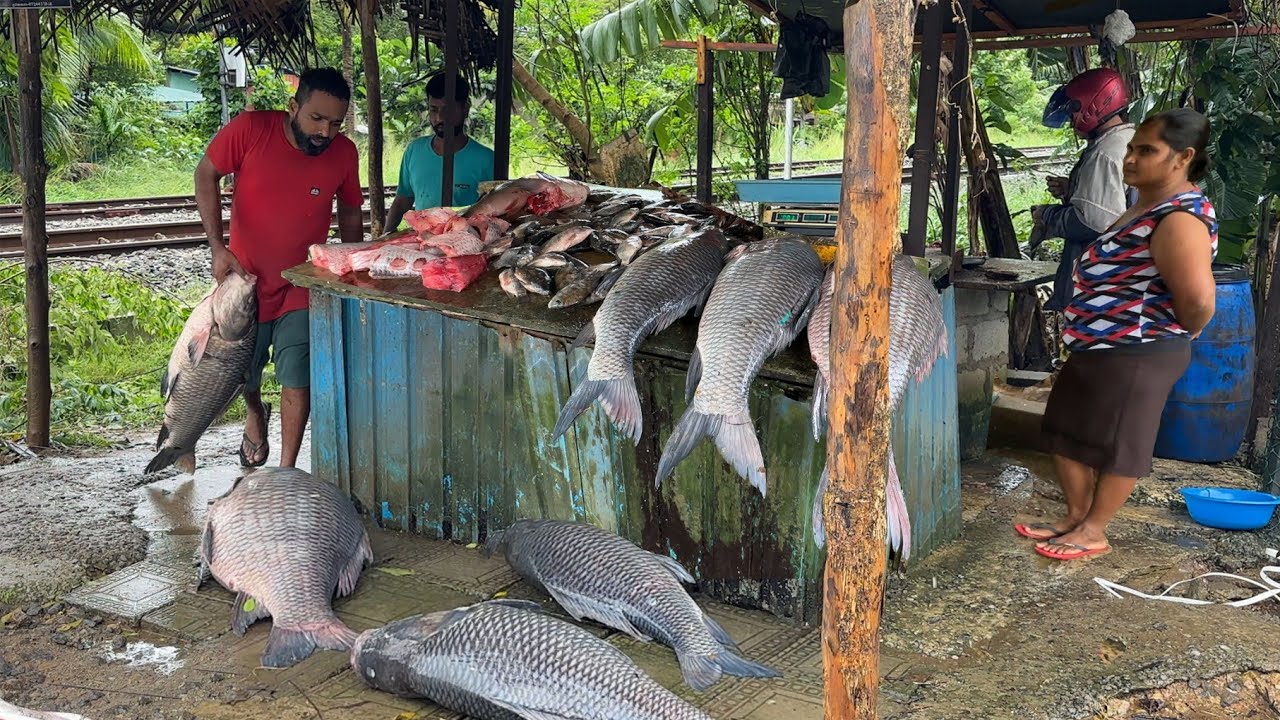
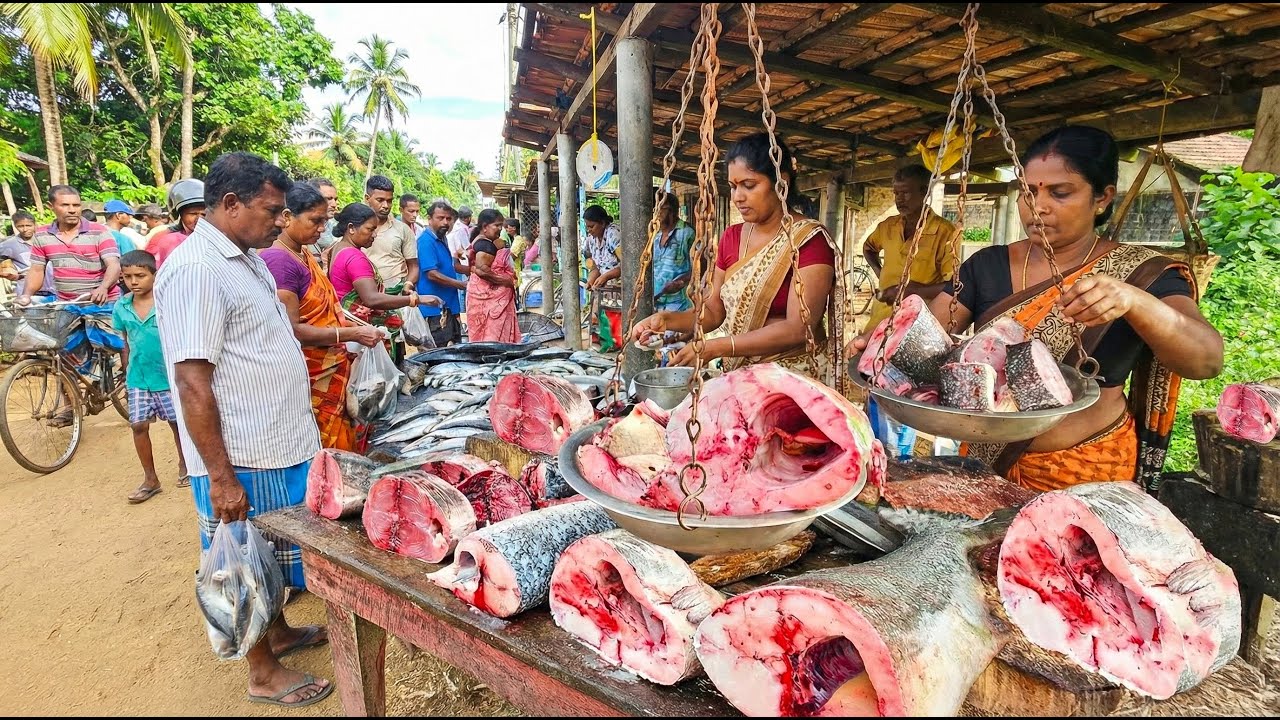
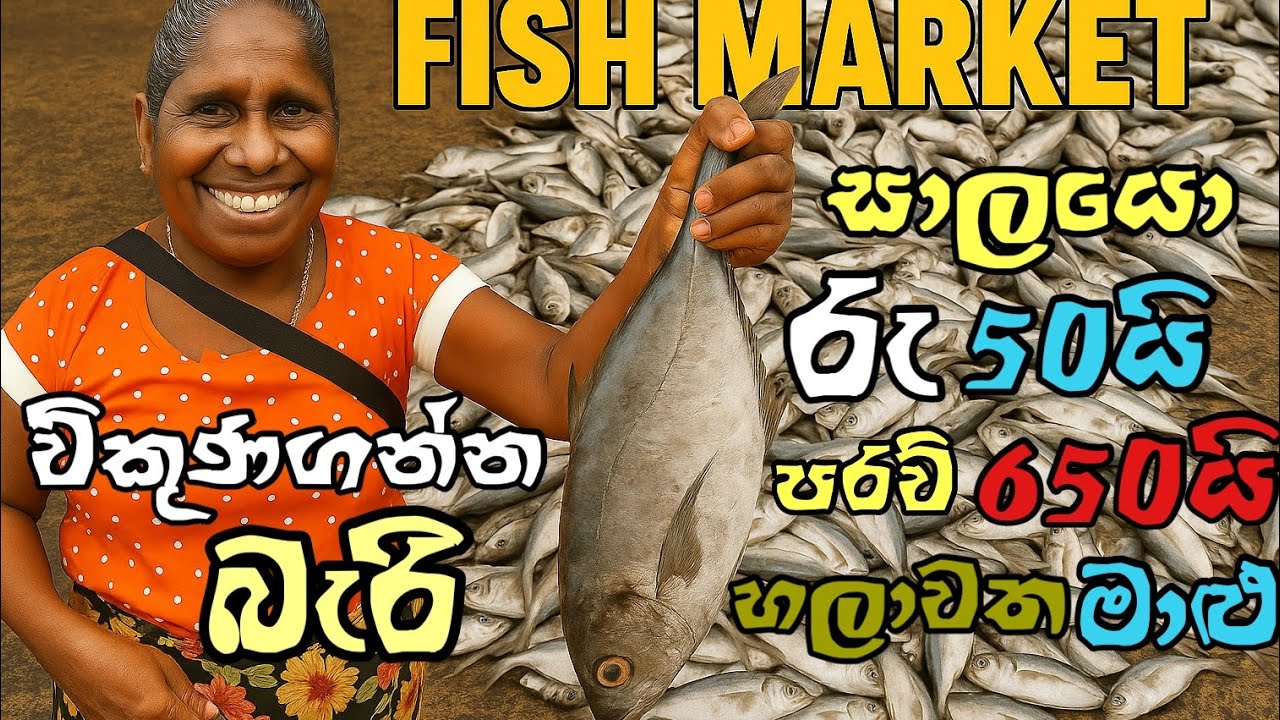
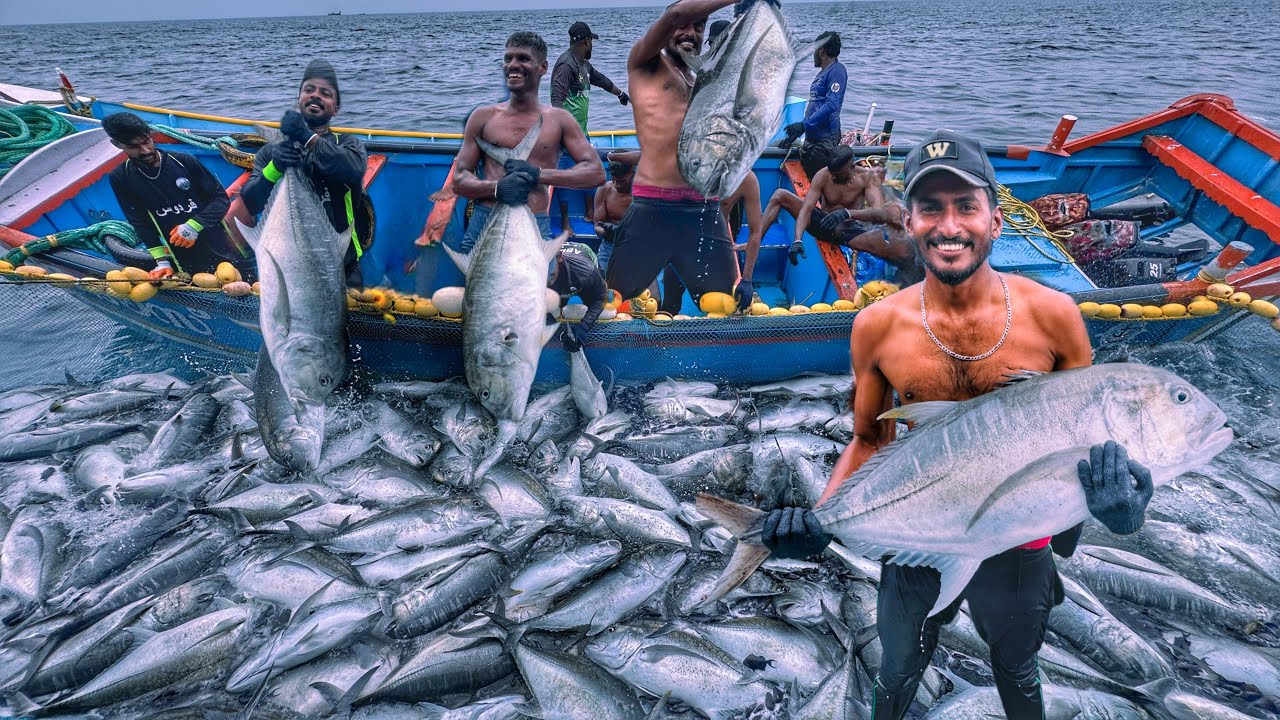
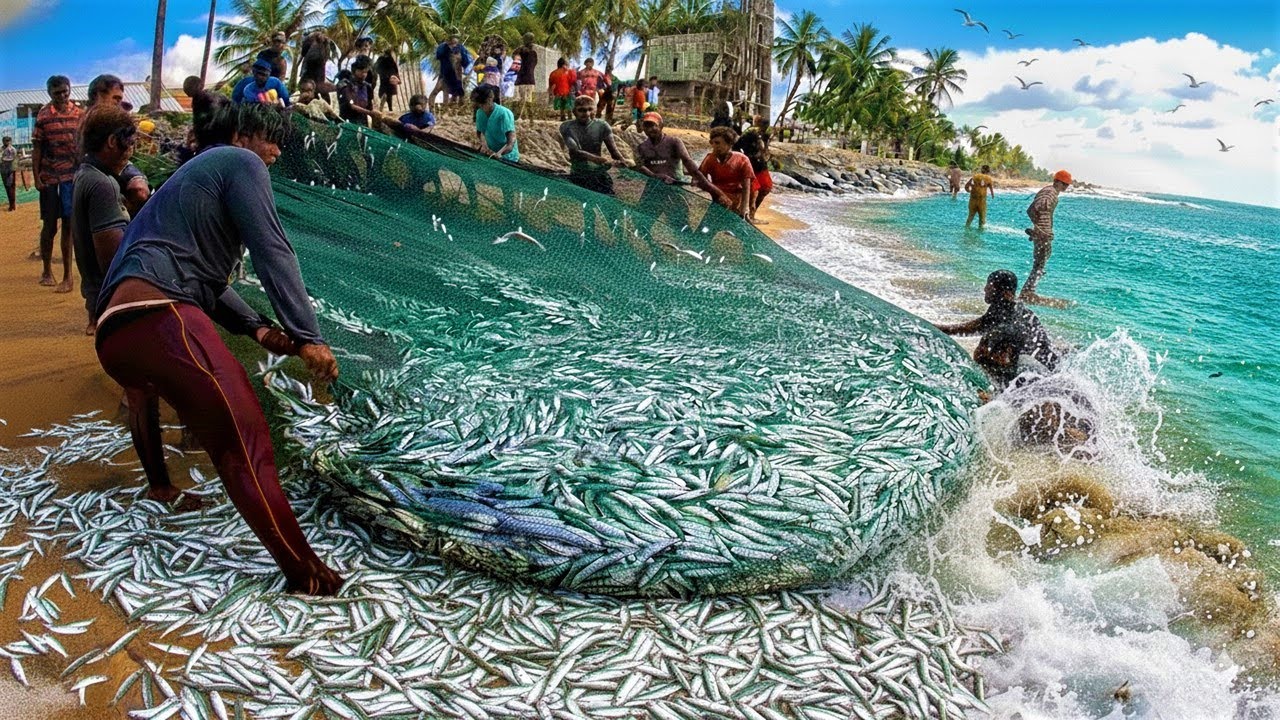
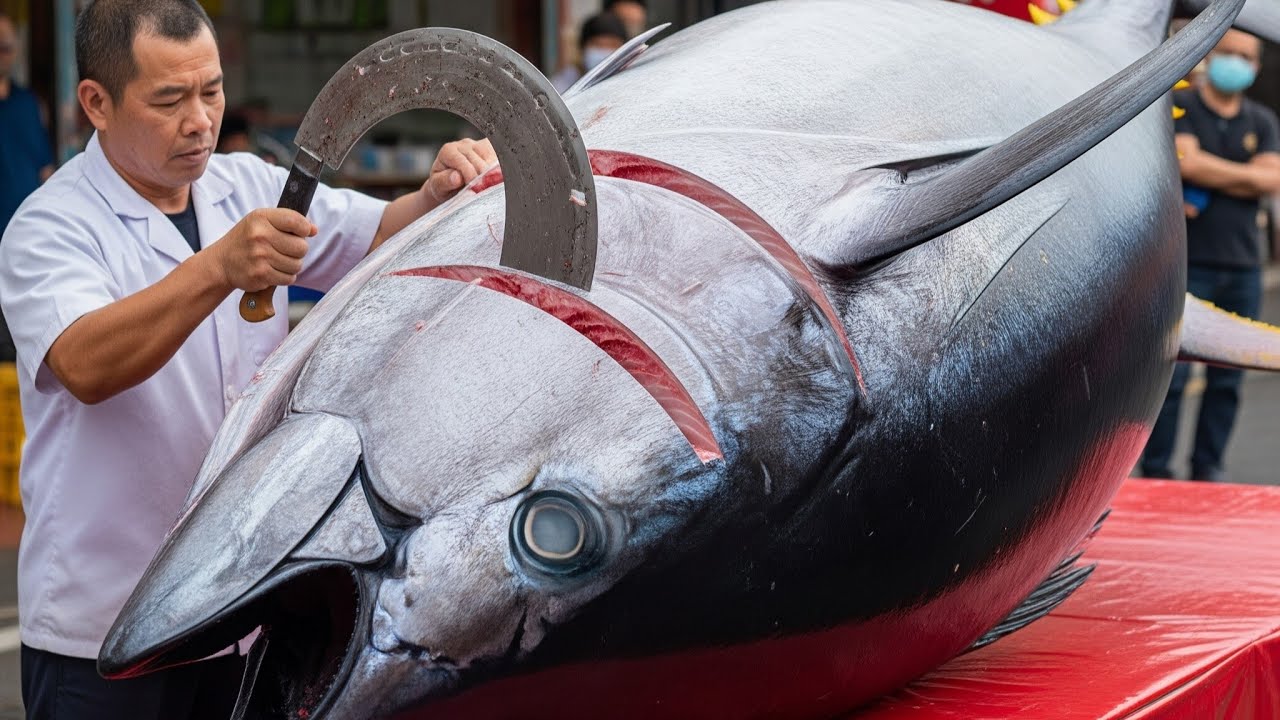
ගං වතුර මුහුදට ඇවිත් මුහුදෙ මාළු නෑ| අපිට ලාබයක් නෑ අපි අඩුවට මාළු දෙනවා|උල්හිටියාවේ ධීවරයෝ
Автор: SL foods academy
Загружено: 2025-12-16
Просмотров: 18218
#fishing #fishingvideo #fish #fishingaddict #fishinglife #fishmarket #fishpreparation #fishinglife #garfish #needlefish #fishcutting #asmrfishcutting #freshfish #seafood #fishmarket #cuttingskills #knifeSkills #streetfood #seafoodlovers #fishfilleting #fishcleaning #shorts #viralshorts #satisfyingvideo #marketlife #seafoodprep #profishcutter #visualfood #foodasmr #fishslicing #shortsvideo #coastalfishmarket #srilanka #authenticseafood #fastcutting #freshtofork #fishvideo #fishcutting_skills
The fish trade is a vast and dynamic global industry encompassing all activities involved in catching, cultivating, processing, preserving, storing, transporting, marketing, and selling fish and fish products. It plays a critical role in global food security, providing a significant source of protein and livelihoods for millions of people worldwide, particularly in developing countries.
Here's a breakdown of key aspects of the fish trade:
1. Sources of Fish:
Capture Fisheries: This involves harvesting fish and other aquatic organisms from wild populations in oceans, rivers, and lakes. It can range from small-scale traditional fishing for sustenance to large-scale commercial operations with modern fleets.
Aquaculture (Fish Farming): This is the cultivation of aquatic organisms in controlled environments. Aquaculture has seen significant growth in recent decades and now accounts for a substantial and increasing portion of global fish production, driven by factors like increasing demand and declining wild stocks.
2. Product Types:
The fish trade deals with a wide array of products, including:
Whole fresh fish: Sold directly after capture or harvest.
Processed fish: This includes various forms like filleted, frozen, smoked, dried, salted, canned, or prepared seafood dishes.
Live fish: Both for human consumption (e.g., in live seafood markets) and for the ornamental fish trade (aquarium fish).
By-products: Fish meal, fish oil, and other products used in animal feed, fertilizers, and pharmaceuticals.
3. Global Reach and Importance:
International Trade: A significant portion of fish and fishery products enters international trade, making it one of the most traded agricultural and food commodities globally.
Economic Impact: The fish trade is a major source of export revenue for many countries, especially developing nations, and contributes significantly to their GDP and agricultural value added.
Livelihoods: It supports the livelihoods of over 500 million people, including fishers, processors, traders, and those involved in related industries like boat building and net making.
Food Security and Nutrition: Fish is a vital source of high-quality animal protein and essential nutrients, contributing to food security and nutrition, particularly in regions where other protein sources are scarce.
4. Key Players and Channels:
Fishermen and Fish Farmers: The primary producers of raw fish.
Processors: Companies that transform raw fish into various products.
Wholesalers and Distributors: Intermediaries who move products from processors to retailers.
Retailers: Grocery chains, fish markets (wet markets), and specialized seafood stores that sell directly to consumers.
Importers and Exporters: Companies facilitating international trade.
5. Challenges and Considerations:
Sustainability: Overfishing, illegal, unreported, and unregulated (IUU) fishing, and habitat destruction pose significant threats to wild fish stocks. Sustainable fishing practices and responsible aquaculture are crucial for the long-term viability of the industry.
Environmental Impact: The environmental footprint of fishing and aquaculture, including bycatch, waste, and disease spread, is a growing concern.

Доступные форматы для скачивания:
Скачать видео mp4
-
Информация по загрузке: