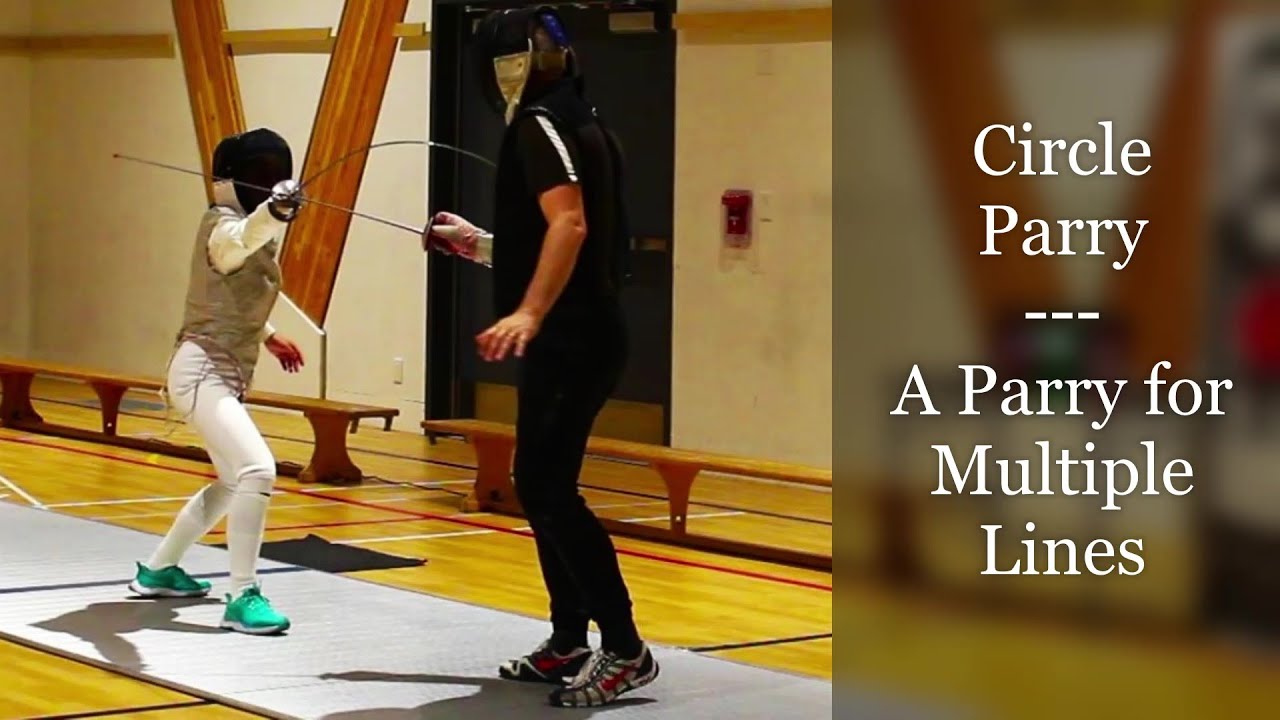
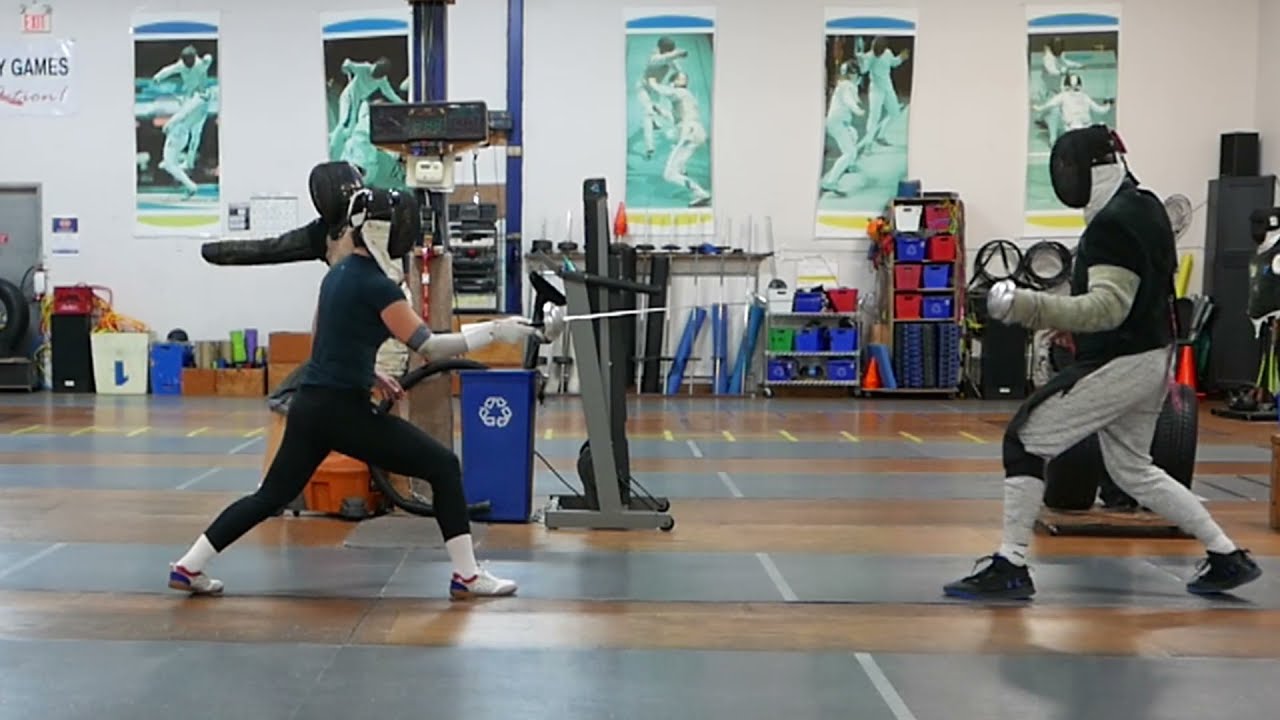
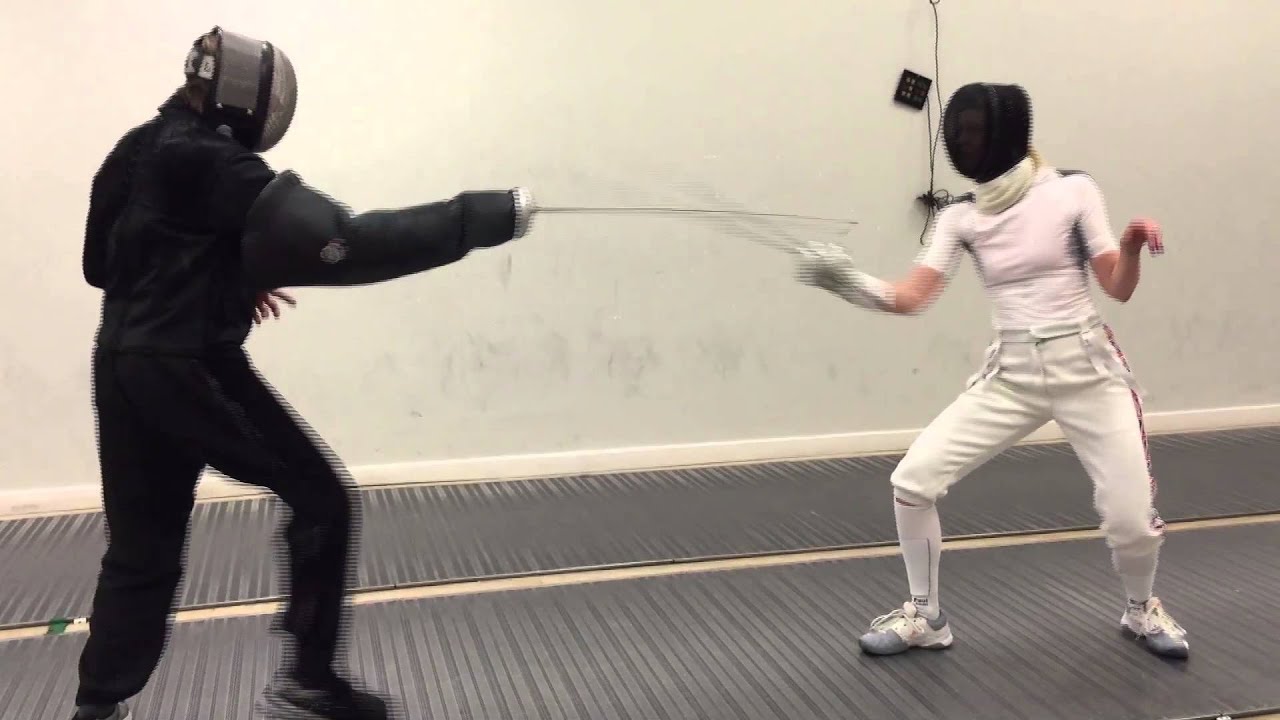
Epee or Foil; six parries with high low cross riposte
Автор: Coach GerryD
Загружено: 2015-02-28
Просмотров: 10418
Epee or Foil; circular six (a.k.a. counter six) parries are practiced with high-low cross (a.k.a. Croisé) riposte in opposition.
From: Understanding Fencing, By Prof. Zbiniew Czajkowski.
The psychological basis (perception and ways of choosing the actions) of applying the actual actions in the bout lead to the division of these actions into three groups:
1. Foreseen actions.
2. Unforeseen actions.
3. Partly foreseen actions.
Foreseen Actions (preconceived or premeditated actions).
a. First intention actions (foreseen actions of first intention).
b. Second intention actions (foreseen actions of second intention).
These terms are generally well known. Generally, foreseen actions are the actions executed according to a previously chosen plan/motor program (see Table 3). Additional explanations are given in the discussion of attacks.
Unforeseen Actions (spontaneous or unpremeditated actions).
These actions are automatic, mostly applied in the form of defensive or counteroffensive actions. They are executed as "reflex" motor responses to unexpected offensive actions from the opponent typically in the form of parry or counter attack "on the spur of the moment." They are responses to an opponent's action which was neither expected nor foreseen.
Partly Foreseen Actions (actions containing both foreseen and unforeseen parts).
a. Actions (typically attacks) with a known beginning but a choice of possible endings: the so called "open eyes attacks."
b. Actions (mostly attacks) with a known beginning but a change of intention during the execution.
Note that in both types, the beginning is known and foreseen and the final part is unforeseen. The two above mentioned varieties of partly foreseen actions superficially are very similar and yet there is a striking difference between them. An "open eyes" action begins with a foreseen and planned movement (feint or action on the blade) and proceeds by plan according to the opponent's reaction. Actions with a change of decision are conceived, initially programmed and put into execution as preconceived actions (either first or second intention) and then, under the influence of the opponent's unexpected movement, are changed mid way.

Доступные форматы для скачивания:
Скачать видео mp4
-
Информация по загрузке: