Популярное

Музыка Кино и Анимация Автомобили Животные Спорт Путешествия Игры Юмор

Интересные видео

2025 Сериалы Трейлеры Новости Как сделать Видеоуроки Diy своими руками

Топ запросов

смотреть а4 schoolboy runaway турецкий сериал смотреть мультфильмы эдисон
dTub
Скачать

Gerd GIGERENZER - Paris IAS Ideas - What is bias? And why are we biased?

Автор: IEA de PARIS

Загружено: 2025-11-14

Просмотров: 126

Описание:

Conférence dans le cadre du cycle "Paris IAS Ideas". Ces présentations courtes marquent le début des résidences d'écriture d'un mois au cours desquelles nos chercheurs invités rédigeront un article présentant la version "définitive" d'une idée ou d'un concept sur lequel ils travaillent depuis des années. Conférence en ligne de Gerd Gigerenzer, ancien directeur de l'Institut Max Planck pour le développement humain, directeur du Harding Center for Risk Literacy à l'Université de Potsdam,
vice-président du Conseil européen de la recherche (CER). Il est chercheur en résidence d'écriture en novembre 2025 à l'IEA de Paris.

Qu'est-ce qu'un biais ? Et pourquoi sommes-nous biaisés ?

Présentation

Ce projet explore le concept de « biais » et les multiples façons dont il est interprété. Un même comportement peut sembler à la fois rationnel et irrationnel : suivre les taux de base est conforme à Bayes, mais peut être perçu comme un préjugé.

Une tension similaire apparaît entre disciplines : en économie comportementale, rationalité rime avec absence de biais, tandis qu’en apprentissage automatique, un certain biais est indispensable pour produire des prédictions fiables et éviter le surapprentissage.

Nous avançons l’idée que cette contradiction se résout grâce à la distinction de Savage et Simon entre « petits mondes » et « grands mondes ». Dans un petit monde parfaitement connu, le biais est nuisible. Mais dans l’incertitude des grands mondes, il devient un outil rationnel et fonctionnel : le biais n’est plus un défaut, il est une stratégie.

_______________________________________________________________________

Lecture as part of the "Paris IAS Ideas" series. These short presentations mark the beginning of
one-month writing residencies during which our visiting scholars will write an article presenting the "definitive" version of an idea or concept they have been working on for years. Online lecture by
Gerd Gegerenzer, former Director of the Max Planck Institute for Human Development, Director of the Harding Center for Risk Literacy at the University of Potsdam, and Vice-President of the European Research Council (ERC). He is a fellow in writing residency in November 2025 at the Paris IAS.

What is bias? And why are we biased?

Presentation

This project explores the concept of ‘bias’ and the multiple ways in which it is interpreted. The same behaviour can seem both rational and irrational: following base rates is consistent with Bayes, but can be perceived as prejudice.
A similar tension arises between disciplines: in behavioural economics, rationality is synonymous with absence of bias, while in machine learning, a certain amount of bias is essential to produce reliable predictions and avoid overfitting.
The online conference will propose that this contradiction can be resolved by Savage and Simon's distinction between ‘small worlds’ and ‘big worlds’. In a small, perfectly known world, bias is harmful. But in the uncertainty of large worlds, it becomes a rational and functional tool: bias is no longer a flaw, it is a strategy.

Gerd GIGERENZER - Paris IAS Ideas - What is bias? And why are we biased?

Поделиться в:

Доступные форматы для скачивания:

Скачать видео mp4

  • Информация по загрузке:

Скачать аудио mp3

Похожие видео

Jeremy ADELMAN - Paris IAS Ideas - Civil Wars and the New World Order, 1979-1994

Jeremy ADELMAN - Paris IAS Ideas - Civil Wars and the New World Order, 1979-1994

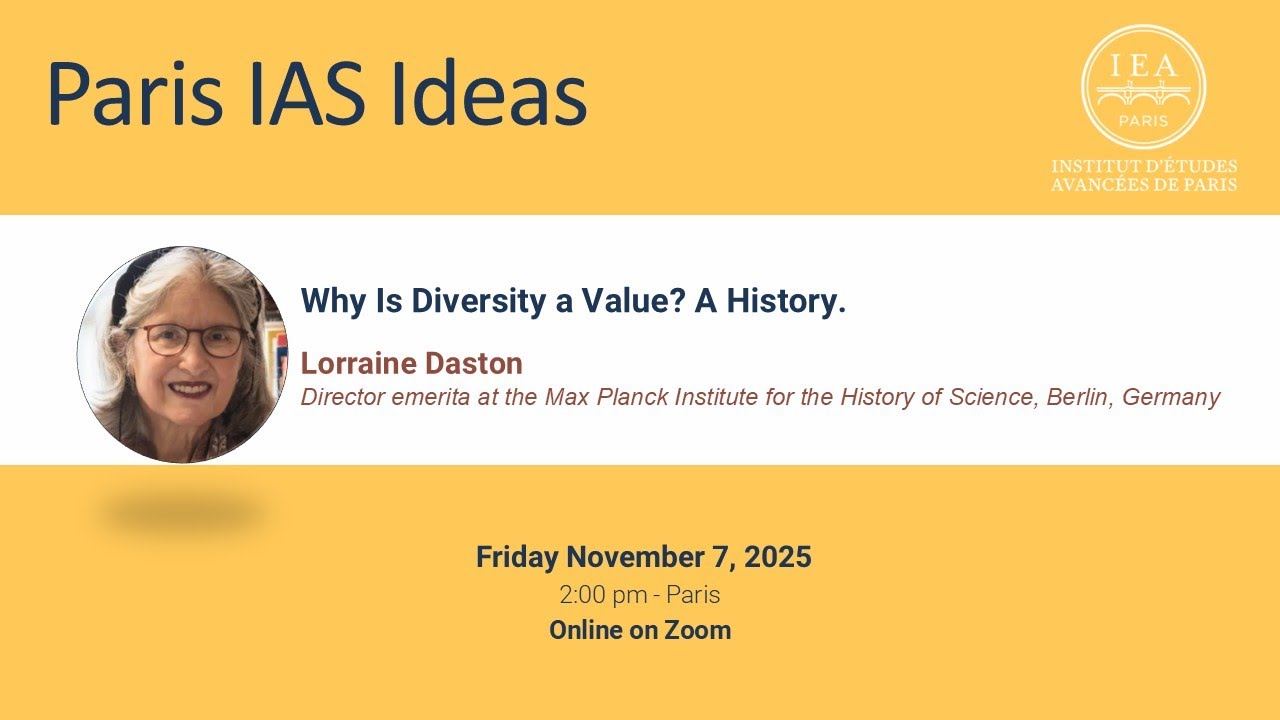
Lorraine DASTON - Paris IAS Ideas - Why is diversity a value? A history

Lorraine DASTON - Paris IAS Ideas - Why is diversity a value? A history

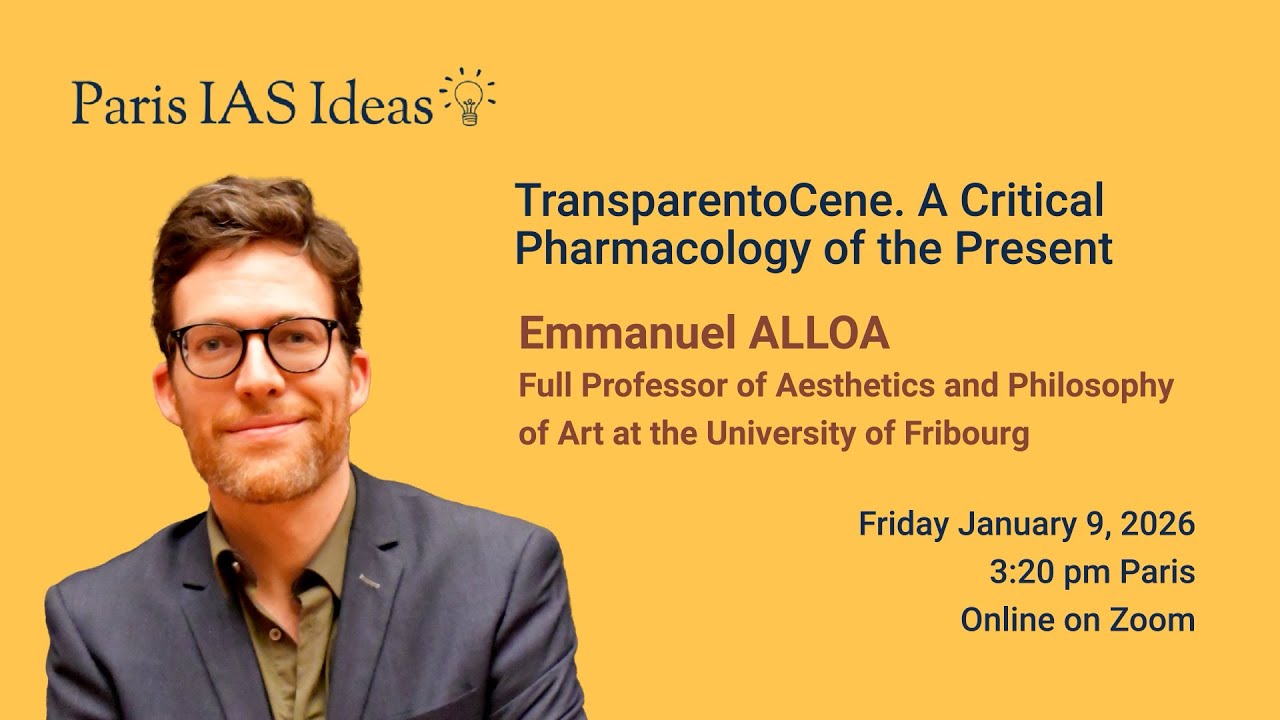
Emmanuel ALLOA - Paris IAS Ideas - TransparentoCene. A Critical Pharmacology of the Present

Emmanuel ALLOA - Paris IAS Ideas - TransparentoCene. A Critical Pharmacology of the Present

Javier PÉREZ BURGOS - Paris IAS Ideas - Technology Adoption and Smallholder Farmers

Javier PÉREZ BURGOS - Paris IAS Ideas - Technology Adoption and Smallholder Farmers

Если слышите это от детей — немедленно уйдите, они вас не уважают. мудрость

Если слышите это от детей — немедленно уйдите, они вас не уважают. мудрость

Victoria LEE - Paris IAS Ideas - Our Microbial Lives: A Manifesto Against Eradication

Victoria LEE - Paris IAS Ideas - Our Microbial Lives: A Manifesto Against Eradication

ЛЕКЦИЯ ПРО НАДЁЖНЫЕ ШИФРЫ НА КОНФЕРЕНЦИИ БАЗОВЫХ ШКОЛ РАН В ТРОИЦКЕ

ЛЕКЦИЯ ПРО НАДЁЖНЫЕ ШИФРЫ НА КОНФЕРЕНЦИИ БАЗОВЫХ ШКОЛ РАН В ТРОИЦКЕ

Why Light Speed Is The LIMIT? What Feynman Uncovered Will COLLAPSE Your Mind

Why Light Speed Is The LIMIT? What Feynman Uncovered Will COLLAPSE Your Mind

What Does a 30% Chance of Rain Mean? (Understanding Risk, with Gerd Gigerenzer)  | Big Think

What Does a 30% Chance of Rain Mean? (Understanding Risk, with Gerd Gigerenzer) | Big Think

Крупнейшая образовательная катастрофа 20 века в США

Крупнейшая образовательная катастрофа 20 века в США

Профессор Ю.Н. Харари: угрозы и риски ИИ в будущем (Давос 2026)

Профессор Ю.Н. Харари: угрозы и риски ИИ в будущем (Давос 2026)

Разведчик о том, как использовать людей

Разведчик о том, как использовать людей

LLM и GPT - как работают большие языковые модели? Визуальное введение в трансформеры

LLM и GPT - как работают большие языковые модели? Визуальное введение в трансформеры

Вся правда о Российских судах | Взятки, адвокаты, следствие, полиция, судьи.

Вся правда о Российских судах | Взятки, адвокаты, следствие, полиция, судьи.

ЗАНИМАТЕЛЬНАЯ ВЕРОЯТНОСТЬ. ЛЕКЦИЯ 21.11.2025 В РАМКАХ ЛЕКТОРИЯ ВДНХ

ЗАНИМАТЕЛЬНАЯ ВЕРОЯТНОСТЬ. ЛЕКЦИЯ 21.11.2025 В РАМКАХ ЛЕКТОРИЯ ВДНХ

Эти 9 Ловушек преподносят под видом Доброты - Это должен знать каждый! Еврейская мудрость

Эти 9 Ловушек преподносят под видом Доброты - Это должен знать каждый! Еврейская мудрость

Градиентный спуск, как обучаются нейросети | Глава 2, Глубинное обучение

Градиентный спуск, как обучаются нейросети | Глава 2, Глубинное обучение

Почему нельзя делить на ноль? – Алексей Савватеев | Лекции по математике | Научпоп

Почему нельзя делить на ноль? – Алексей Савватеев | Лекции по математике | Научпоп

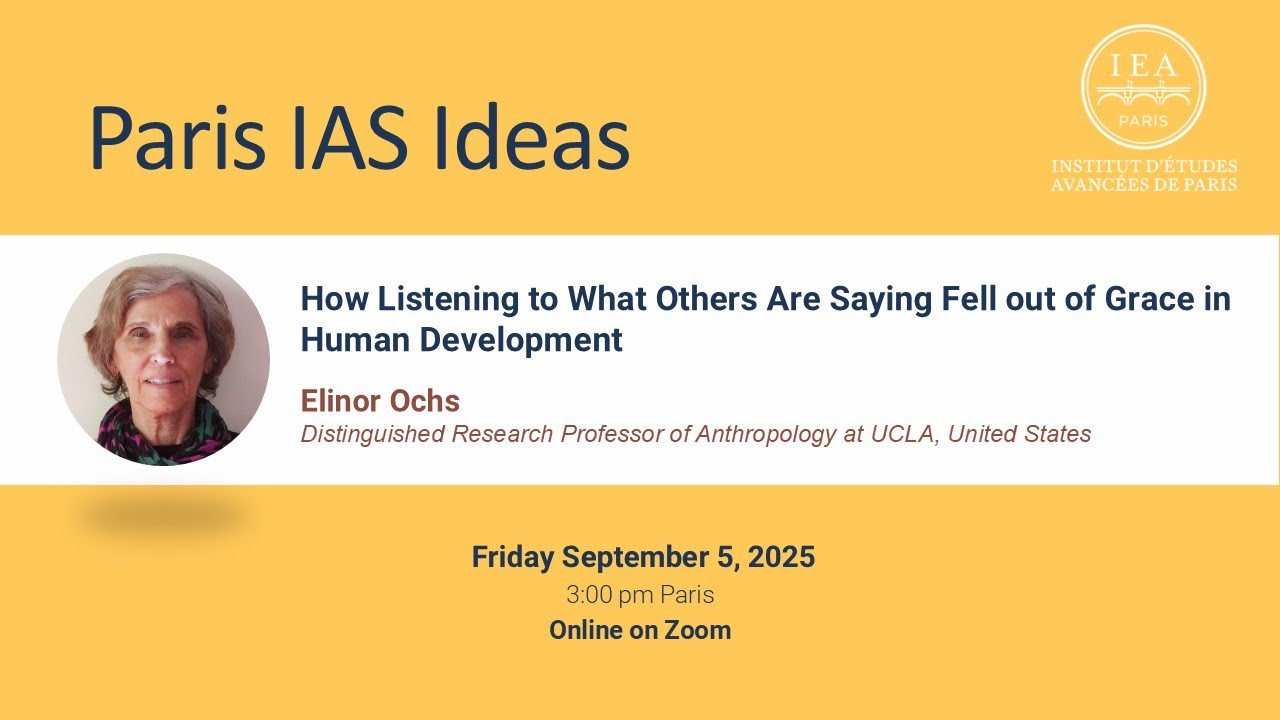
Elinor OCHS - Paris IAS Ideas - How Listening to What Others Are Saying

Elinor OCHS - Paris IAS Ideas - How Listening to What Others Are Saying

КОЗЫРЕВ - астрофизик ДОКАЗАЛ, что ВРЕМЯ это ЭНЕРГИЯ: дважды СИДЕЛ, приговорён к РАССТРЕЛУ

КОЗЫРЕВ - астрофизик ДОКАЗАЛ, что ВРЕМЯ это ЭНЕРГИЯ: дважды СИДЕЛ, приговорён к РАССТРЕЛУ

© 2025 dtub. Все права защищены.


  • Контакты
  • О нас
  • Политика конфиденциальности


Контакты для правообладателей: infodtube@gmail.com