Practical Examples of Resource Management Strategies
Автор: NextGen AI Explorer
Загружено: 2025-09-12
Просмотров: 7
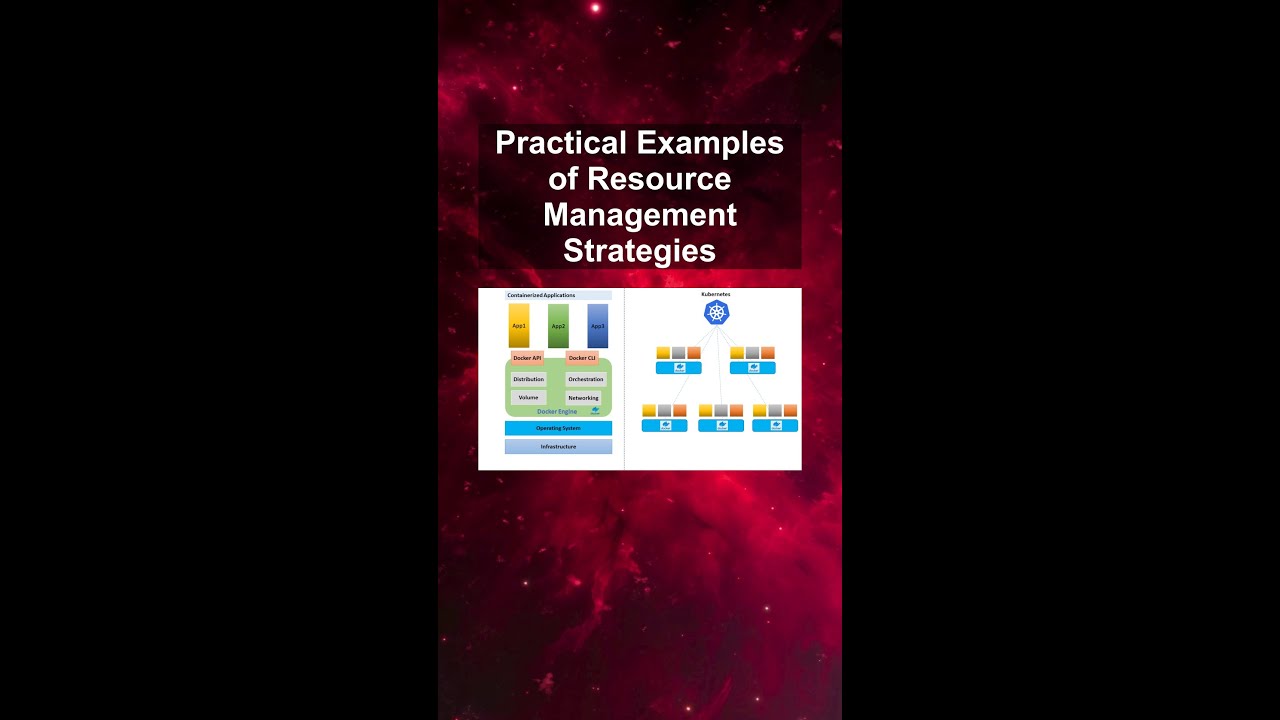
To fully understand resource management in Kubernetes, let's explore some practical examples and strategies. Consider an e-commerce application with fluctuating traffic patterns. During peak shopping seasons, the demand on the application increases significantly, requiring additional resources to maintain performance. In this scenario, implementing resource requests and limits ensures that each component of the application has the necessary resources to operate effectively, even during high traffic periods. To handle the increased load, you can use the Horizontal Pod Autoscaler to automatically scale out the number of application instances, ensuring that resources are allocated efficiently based on real-time demand. Additionally, setting appropriate resource quotas at the namespace level ensures that the e-commerce application doesn't consume more resources than allocated, preventing resource contention with other applications running in the cluster. Another practical example involves a data processing pipeline with varying resource requirements. By using the Vertical Pod Autoscaler, you can automatically adjust CPU and memory requests and limits based on the pipeline's resource consumption, optimizing performance and cost. Continuous improvement is key to effective resource management. Regularly review your resource configurations, monitor resource usage, and adjust your strategies based on observed data and trends. By implementing these practical examples and strategies, you can achieve efficient resource management in your Kubernetes environment, optimizing both application performance and cost.
Доступные форматы для скачивания:
Скачать видео mp4
-
Информация по загрузке:


![Как сжимаются изображения? [46 МБ ↘↘ 4,07 МБ] JPEG в деталях](https://image.4k-video.ru/id-video/Kv1Hiv3ox8I)

