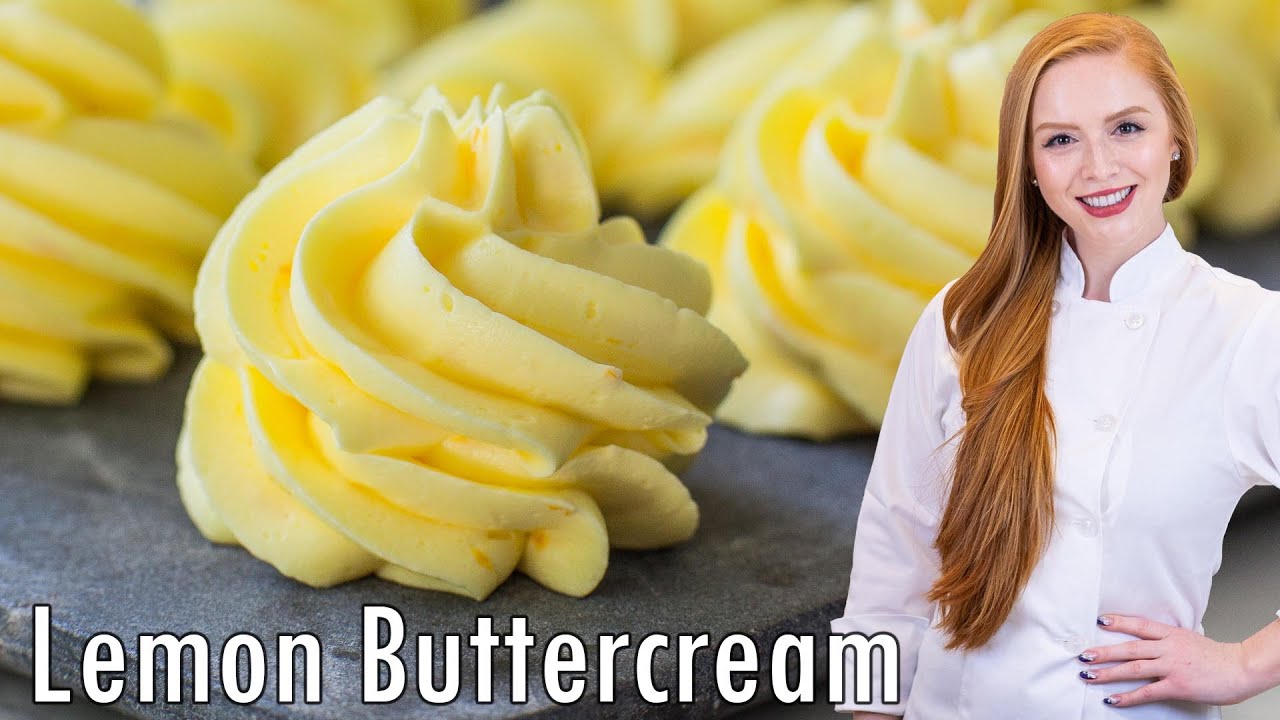
Lemon Swiss Buttercream Recipe
Автор: LoveYourFood
Загружено: 2020-06-25
Просмотров: 9393
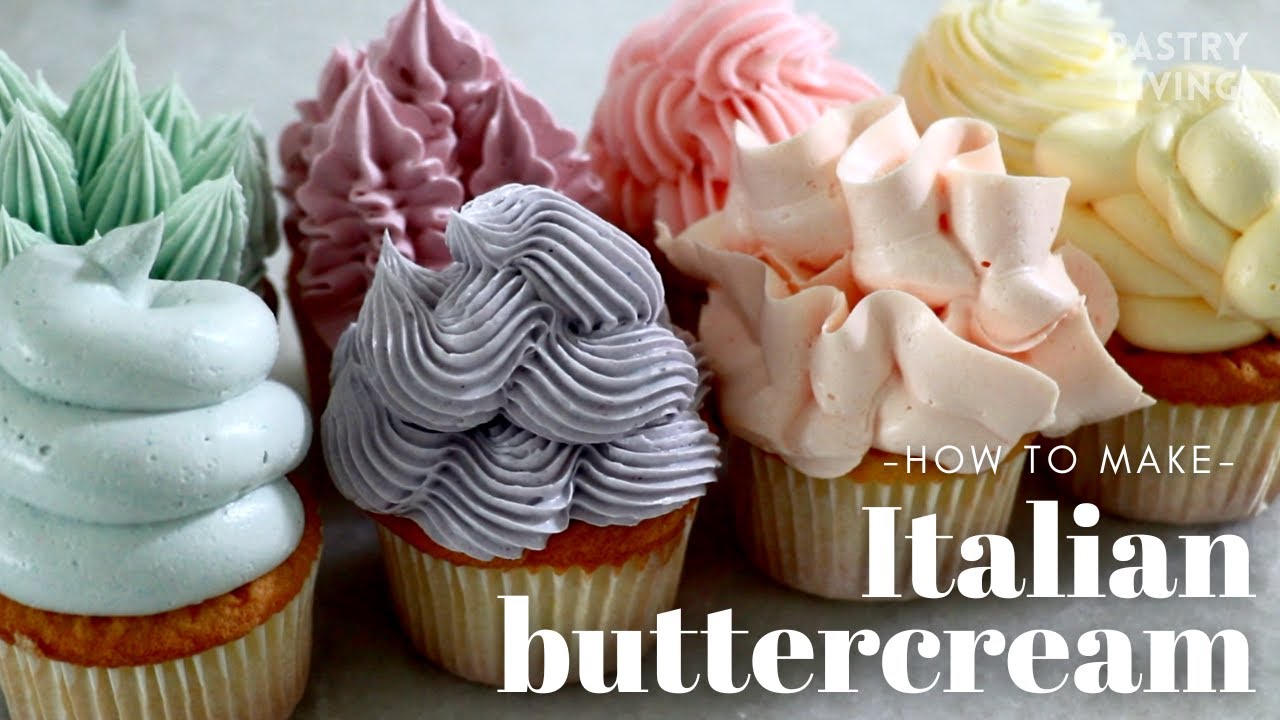
While my favorite of the four major types of buttercream is Italian, it is much easier to make Swiss Buttercream in the home. It is a very forgiving recipe, it is nearly as fluffy as Italian buttercream, and it is incredibly stable. Because it does not require a candy syrup, it is safer to produce and less prone to error.
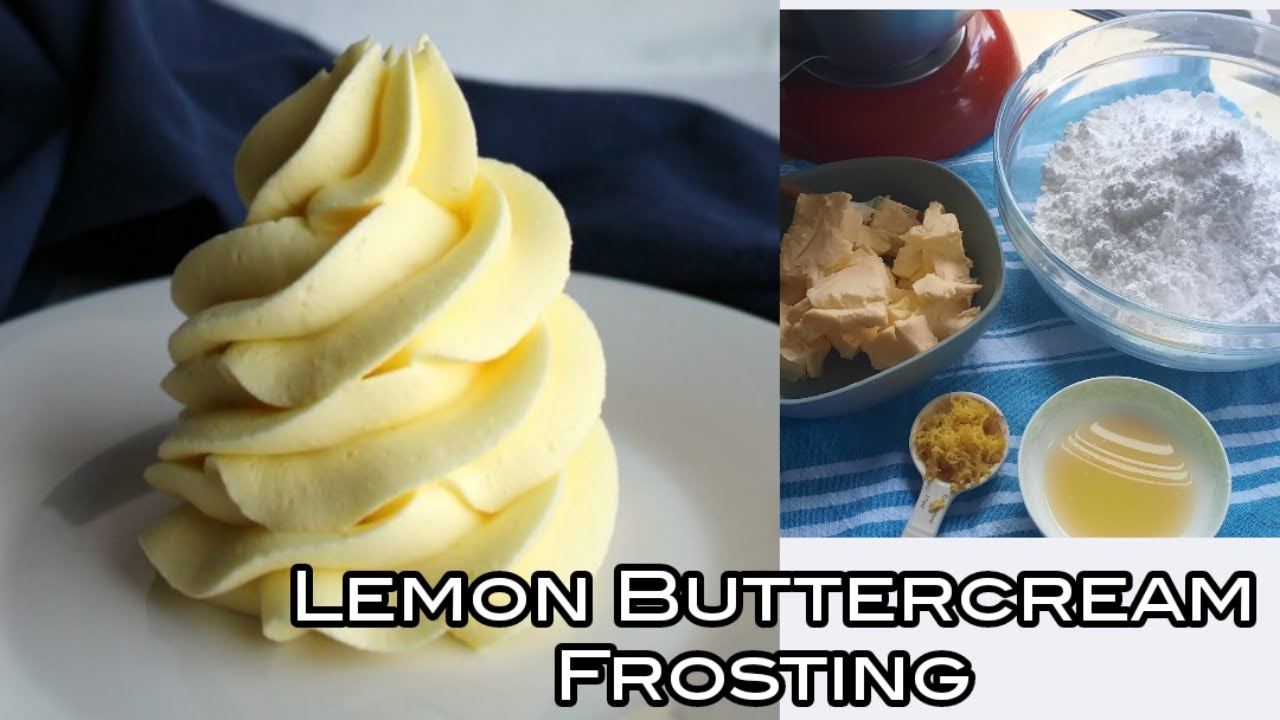
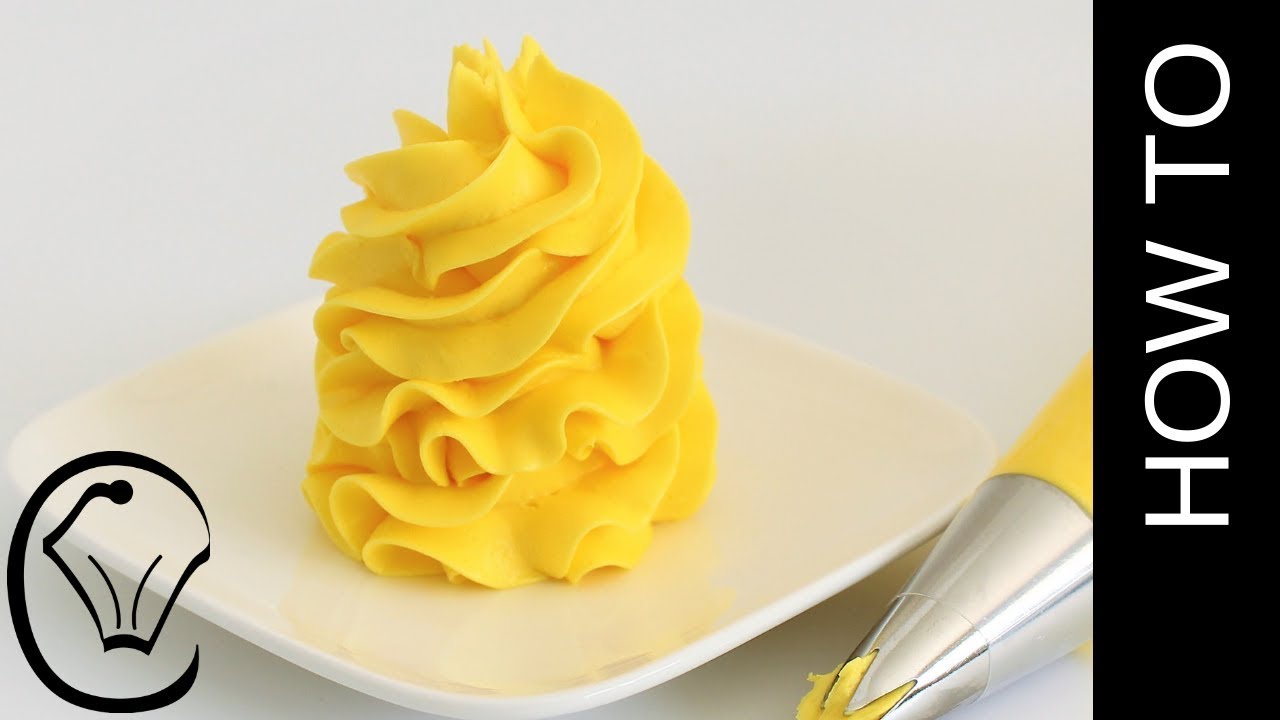
This recipe is written to make lemon-flavored buttercream. To have any other flavor, keep only 2 tsp of the lemon juice, and substitute other flavors for the rest, up to about 3 Tbsp additional volume of liquid. If a chocolate buttercream is desired, use up to 6 oz (3/8 lb) of melted chocolate, cooled, added gradually. For vanilla, use 1 Tbsp vanilla extract; consider also using (homemade) vanilla sugar. For non-citrus fruit flavors, obtain perfectly smooth fruit puree and add up to 4 Tbsp (1/4 cup). Do not use papaya, mango, pineapple, or other fruit which dissolves protein. Buttercreams made from fruit puree are inherently streaky. Ones containing zest will show specks of zest, especially orange or lime. Keep the basic lemon juice, or substitute with lime juice – but something sour.
Make the icing a day ahead, or more. Keep finished icing in one or more tightly sealed containers in the refrigerator or freezer. Once the icing has set in the refrigerator, it will cease to be soft. Even after warming up a bit, it will retain its structure. This structure is a result of the whipped egg whites. French or American buttercreams which do not use egg whites will become soft when warm. Either of those buttercreams make a better cake filling for that reason, but mousse is superior to both.
Use only flowing, granulated white sugar for this recipe. The grains are important to the aeration process, to get really good whipped egg whites. Traditionally, a copper bowl is used for this purpose, because the copper ions interfere with the formation of disulfide bonds between albumen protein molecules during the foaming of the egg whites. Instead, a tiny amount of cream of tartar (tartaric acid) may be added to the egg whites; this reduces disulfide bond formation by lowering the pH of the solution.
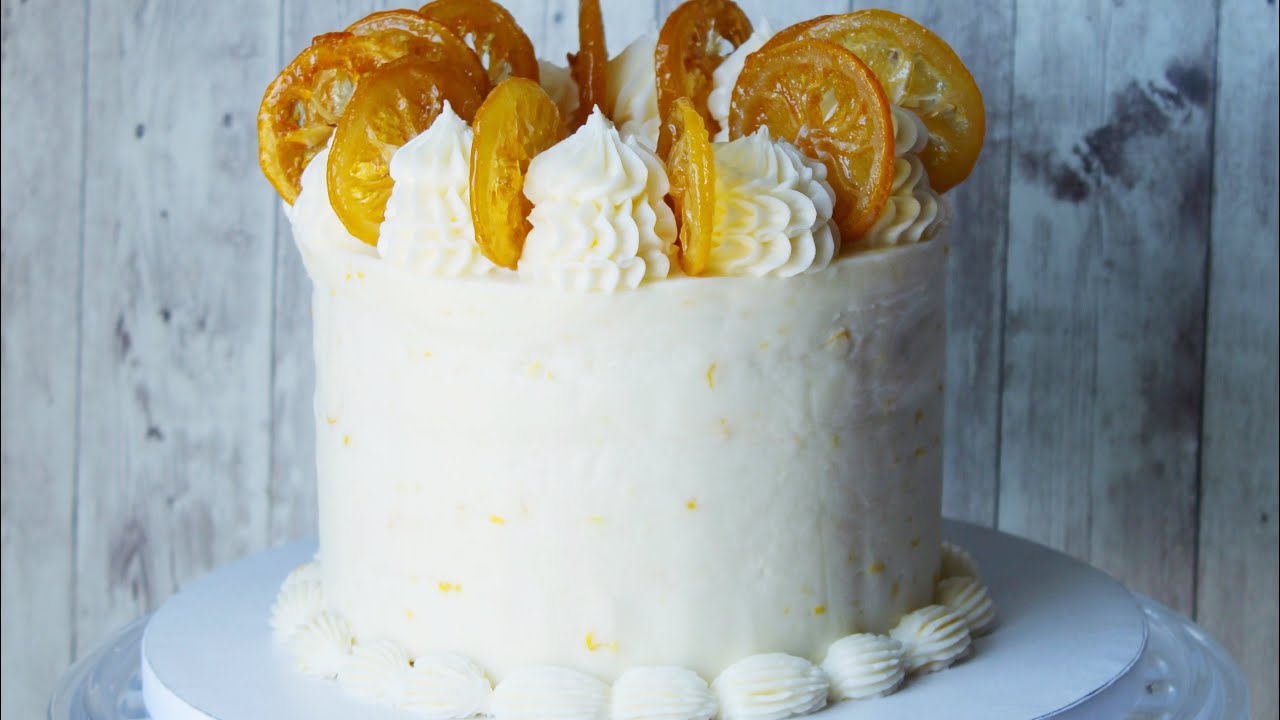
Let the icing come up to room temperature before using. If the icing seems lumpy or curdled, whip it until its texture returns to normal. How much icing is needed depends upon the project. This recipe made enough to ice two mini cakes about 5” around after frosting, plus enough to frost another 5”x5” opera cake. It should be enough to frost a 9” cake, if it is not used as the sole filling as well.
Makes 3-4 cups of icing.
Equipment:
• stand mixer (highly recommended) or large shallow mixing bowl and balloon whisk
• saucepan large enough to accommodate mixing bowl for double-boiling
Ingredients:
3/4 cup sugar granulated
3 Tbsp lemon juice 2 tsp + 7 tsp
4 ea egg whites
1/8 tsp salt fine if available
3/4 lb butter unsalted
Procedure:
1. Bring some water to a simmer in the saucepan, making sure that the mixing bowl can rest comfortably above the water.
2. In the stand mixer bowl, combine sugar, 2 tsp lemon juice, salt and egg whites. Add a tiny amount of cream of tartar if it is available.
3. Whisk everything together by hand, resting the bowl over the simmering water.
4. Continue until the mixture is warm and the sugar completely dissolved.
5. Place on the stand mixer with with whisk attachment and beat until the whites form stiff peaks, about 10-15 minutes.
6. Start adding the soft butter a little bit at a time, letting each addition incorporate before adding more.
7. Continue to whisk. The mixture will deflate and appear curdled before coming back together to have body and be smooth and spreadable.
8. Slowly drizzle in any additional flavoring elements – additional juice, vanilla extract, puree, etc.
9. The icing may be used immediately, or refrigerated and then used after beating.
Music: http://www.bensound.com/royalty-free-...

Доступные форматы для скачивания:
Скачать видео mp4
-
Информация по загрузке: