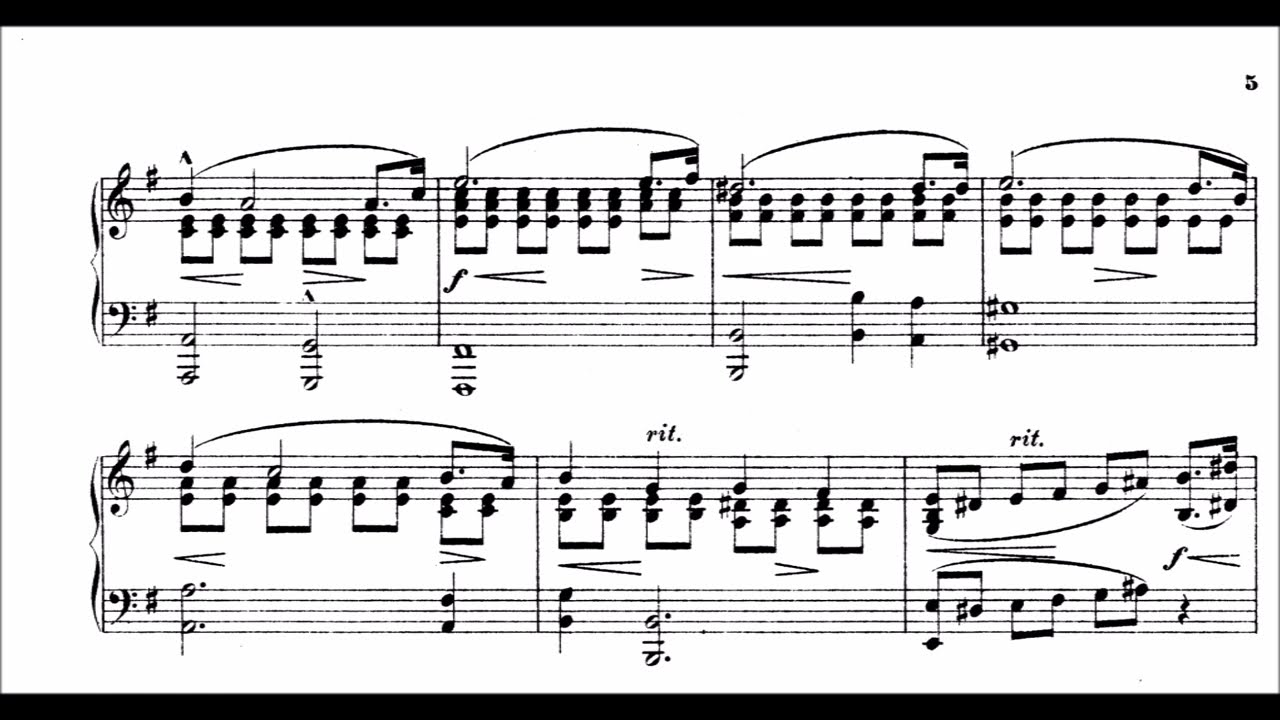
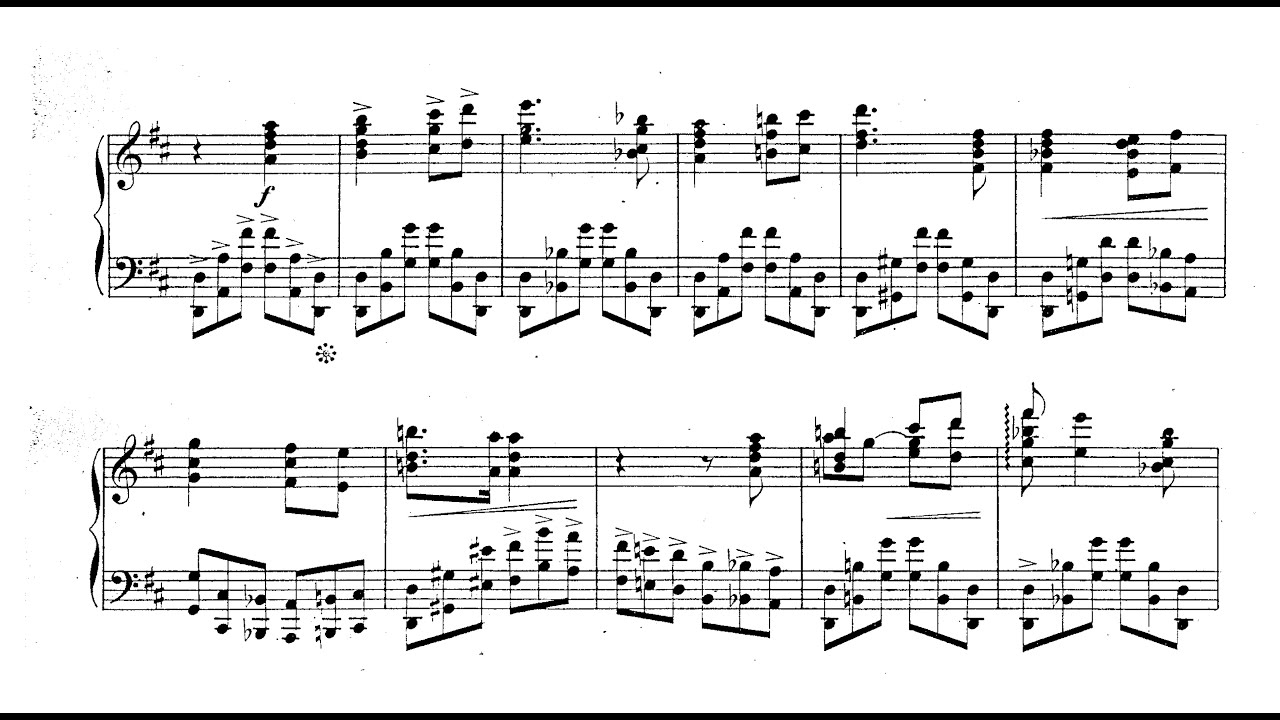
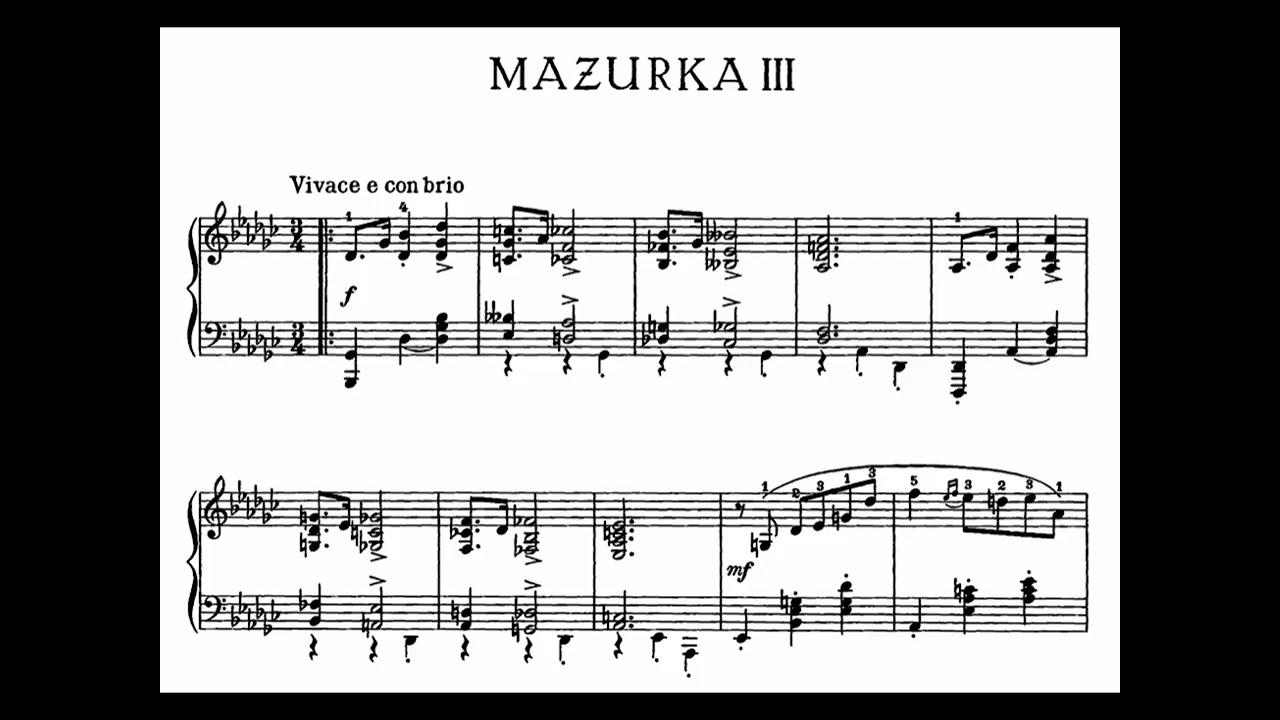
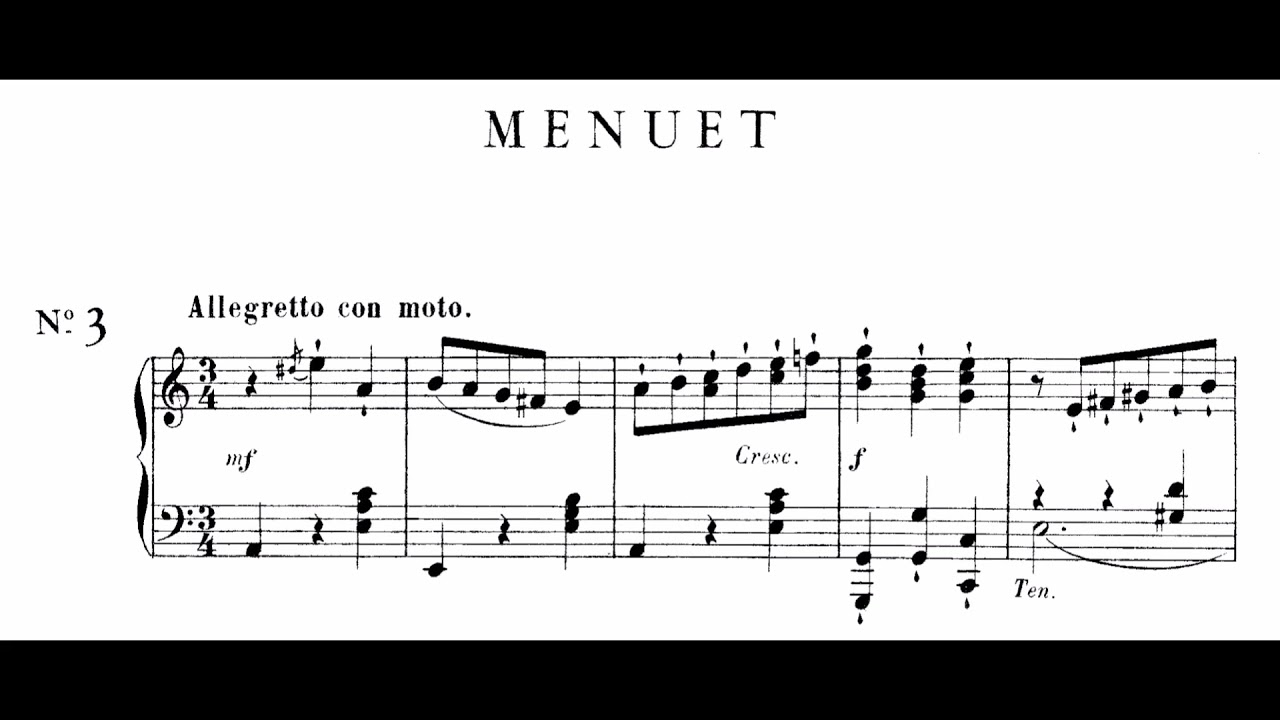
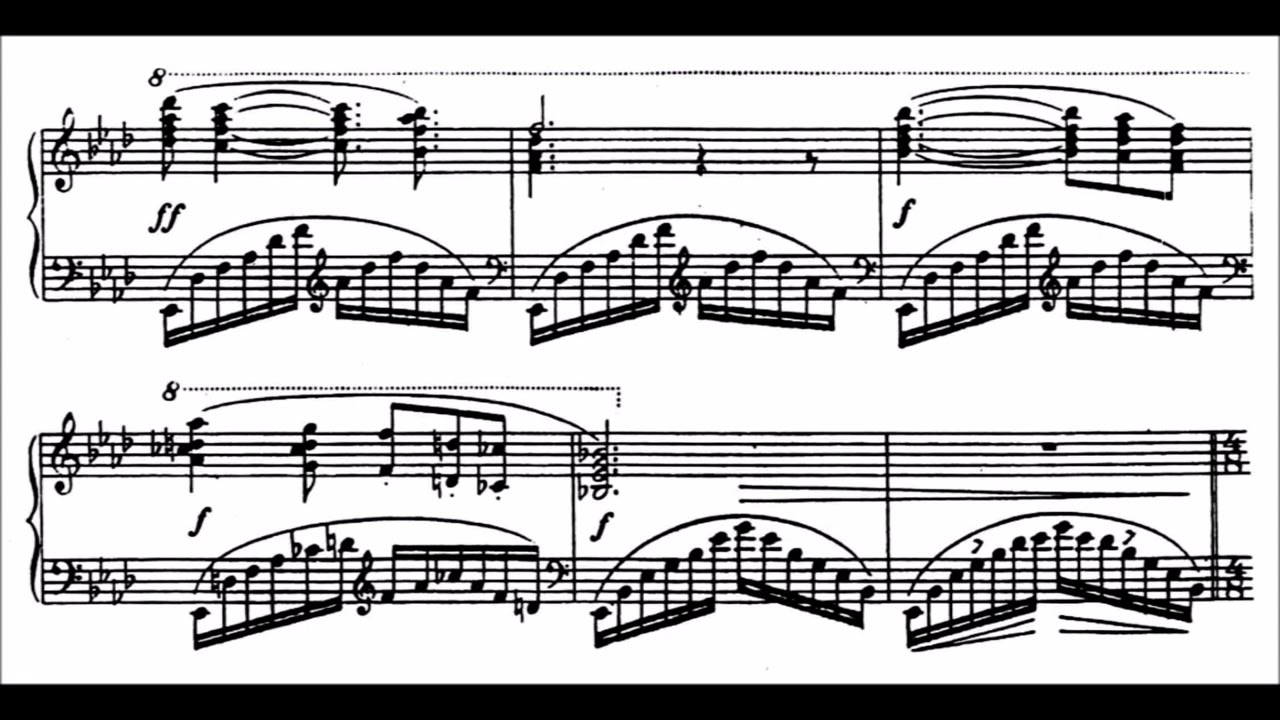
Dora Pejačević: Red Gillyflower, Op.19/6
Автор: Gamma1734
Загружено: 2023-06-05
Просмотров: 8343
Op.19: Flower Life: 8 Pieces according to their flowering time in the year, for piano, 1904-1905.
Virtuosic but very effective salon piece.
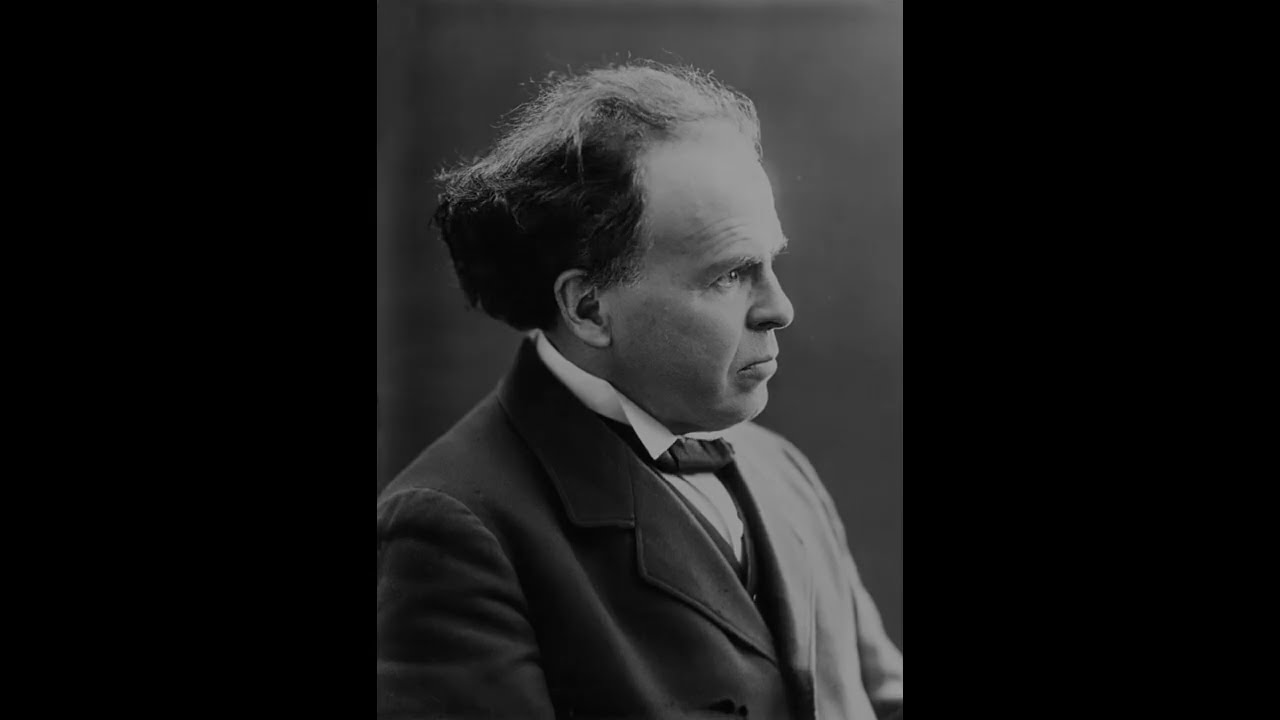
Pejacevic (1885-1923) was a Croatian composer and a member of the Pejačević noble family of Bulgarian origin . She was one of the composers to introduce the orchestral song to Croatian music and her Symphony in F-sharp minor is considered by scholars to be the first modern symphony in Croatian music.
Dora Pejačević (in old documents also Pejacsevich) was born in Budapest, Kingdom of Hungary. Her mother was the first to give her piano lessons. Paternally, she descended from the old Croatian noble Pejačević family, one of the most distinguished noble families in Slavonia, the eastern region of Croatia. Her maternal family was, for centuries intermarried with Counts Teleki de Szék, which gave them political and economical importance within the region of Budapest. Much of her mother's prominence led to Dora veering towards music rather than the aristocratic lifestyle that was impressed upon her.
Pejačević began to compose when she was 12. She studied music privately in Zagreb, Dresden and Munich and received lessons in instrumentation (from Dragutin Kaiser and Walter Courvoisier), composition (from Percy Sherwood) and violin (from Henri Petri in Munich).
She was largely self-taught, however.
In 1913, Pejačević composed a piano concerto, her first orchestral work, marking her as the first ever Croatian composer to write a concerto. Pejačević's earlier compositions mostly consisted of piano pieces, sonatas, and songs and were considered elite in their nature. Many of her pieces premiered in Germany, played by major soloists of the era. When her Symphony in F-sharp minor, Op. 41, premiered in the Great Hall of Vienna's Musikverein, a critic was surprised when a woman came up on stage, which shows how her excellence contributed to her importance as a composer, specifically a woman composer, in the early twentieth century. Throughout her lifetime, Pejačević's compositions were performed in Budapest, Vienna, Prague, München, Dresden, and her town of Nasice.
On 14 September 1921 she married Ottomar Otto, Ritter von Lumbe (1892–1978).
Although Pejačević led a lonely life, she met many prominent musicians and writers, and befriended Austrian journalist and writer Karl Kraus and Czech aristocrat and patroness of arts, Countess Sidonie von Thun und Hohenstein.
Pejačević died in Munich in 1923. Multiple sources have described her passing in contradicting manners. One source claims the cause of Pejačević's death was kidney failure, taking place four weeks after her son Theo's birth. Another source mentions her passing taking place as a result from complications during childbirth.
Доступные форматы для скачивания:
Скачать видео mp4
-
Информация по загрузке: