Fat Over Lean Simplified in Oil Painting: Why Your Paint Cracks and The Science[ish] Part of Paint
Автор: Art Secrets Studio, Chris di Domizio
Загружено: 2025-02-20
Просмотров: 494
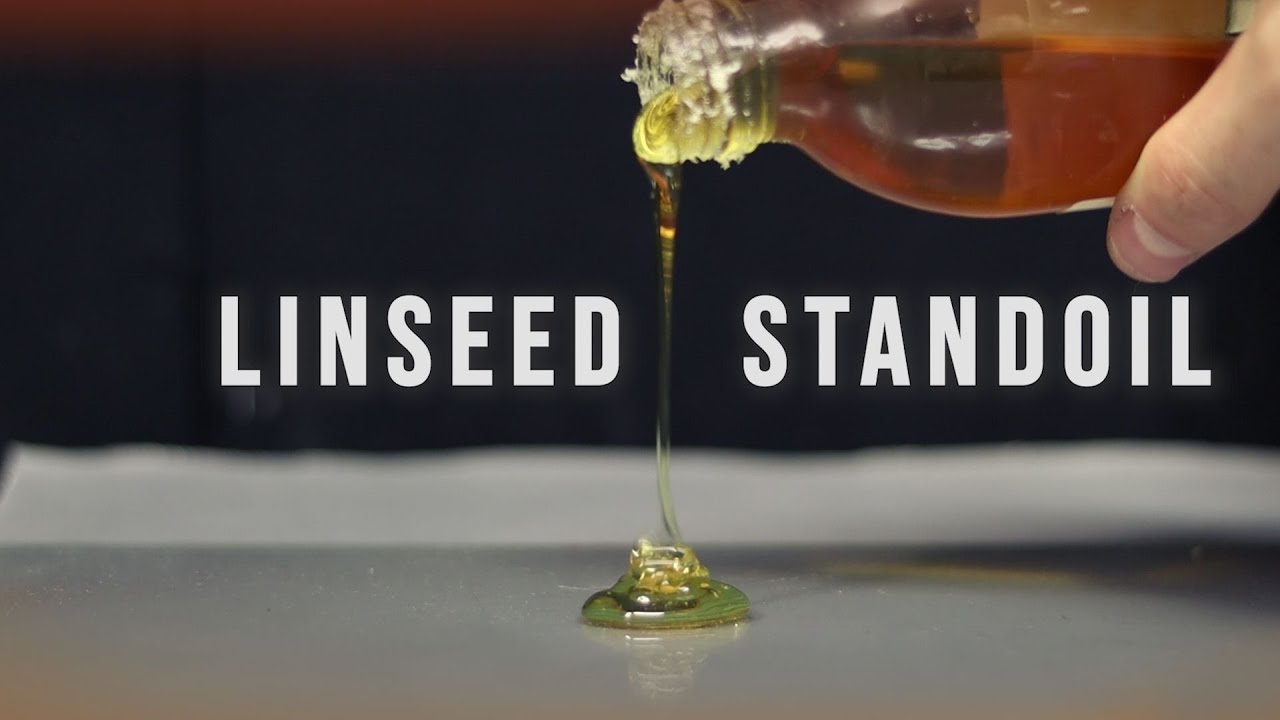
At the beginning of this video, I show How "Fat Over Lean" is not just about when you add certain mediums to your paint and the order in which you add them (which is very important). but, Your manufactured tubed oil paint has oil added to your paint and it has already started the "Fat" process - when you add brush cleaner you have changed the chemical mixture which can and does cause cracking in your painting. Even when you have not added mediums. This video breaks down this simple example which is so structurally critical to your art. Oil paint is essentially organic or inorganic material (particles) suspended in oil. Sometimes it's a leaf, sometimes it's a semi-precious stone. The material is ground up into small particles and mixed into that oil. The difference between oil paint and watercolor is oil paint linseed oil or safflower oil is the binder and watercolor uses Gum Arabic as a binder. All colors in all (ALL) mediums are the same, just the binder is different.
So, it's like Jello. If you dropped a bunch of dirt in Jello, then in the Jello you would have dots of ground-up pigment suspended in it. If you looked through a microscope of oil paint squirted out on a sheet of glass, you would see these little dots of dirt floating around, suspended in oil as shown in the video.
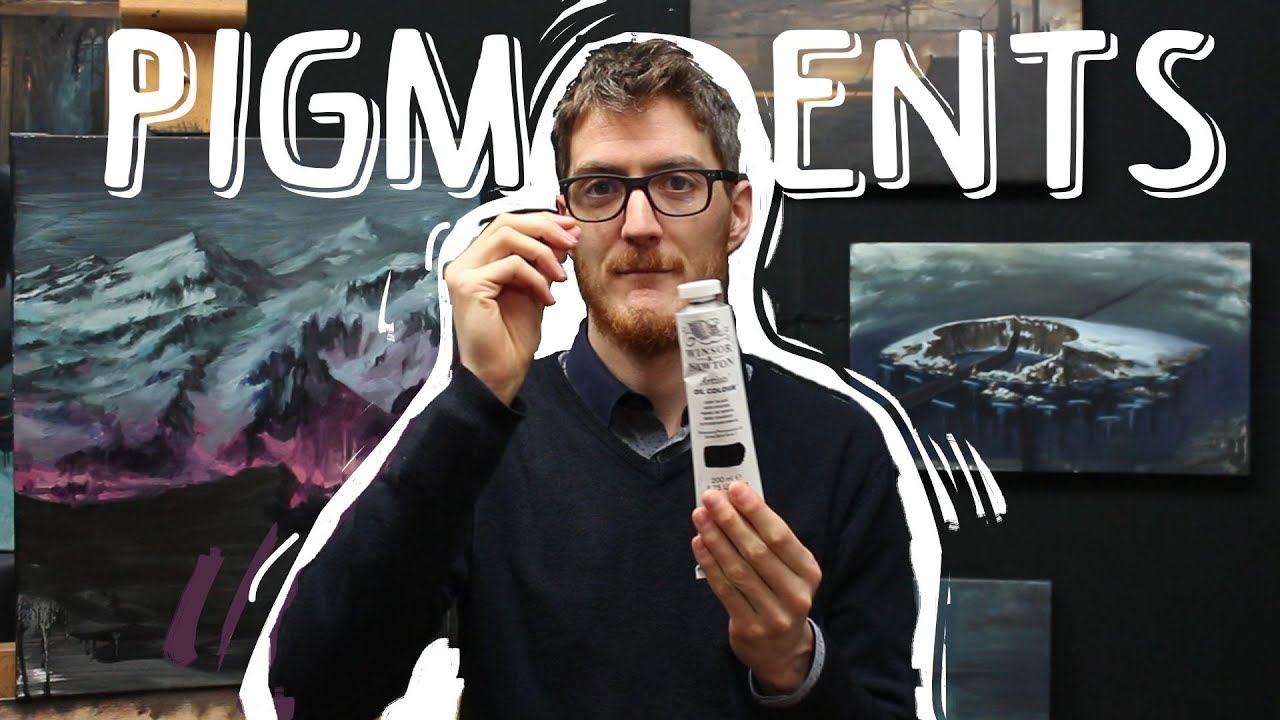
So, all tubes of paint are basically anywhere from 48% to 52% pigment to oil in ratio or vice versa. The finer the pigment, the more transparent the color is. It never dissolves completely as you'd think. There are always little particles floating around in this oil, regardless of the degree of transparency. Looking at a tube of paint, on the back of the tube you see a small box - it will either be clear or all white which represents "transparent" or a white box with a line through it which represents "semi Transparent". The bigger the dots (pigment) the less transparent a color is. An opaque layer is when the dots are so big it's hard for the light to go between all the dots, but there's still oil suspending it the back of the paint tube would be a black square because no light will filter through the oil. This is shown in the video.
When painting, if you thin out the paint with brush cleaner you can reach a point where there's not enough oil, it appears fine but when the cleaner dries you just have the dirt from Sienna, Italy, sitting on the surface. The more you add the brush cleaner, it runs and thins out the pigment with nothing suspending the pigment - no jello. When the brush cleaner evaporates, nothing is holding the dirt together, and then it falls off the canvas. So, if you thin the paint too much, you don't have any oil in it.
And the oils in the pigment act as glue. In the art world, we call a binder. That is a separate problem from how much "medium you use" which is a different "Fat Over Lean" sentence.
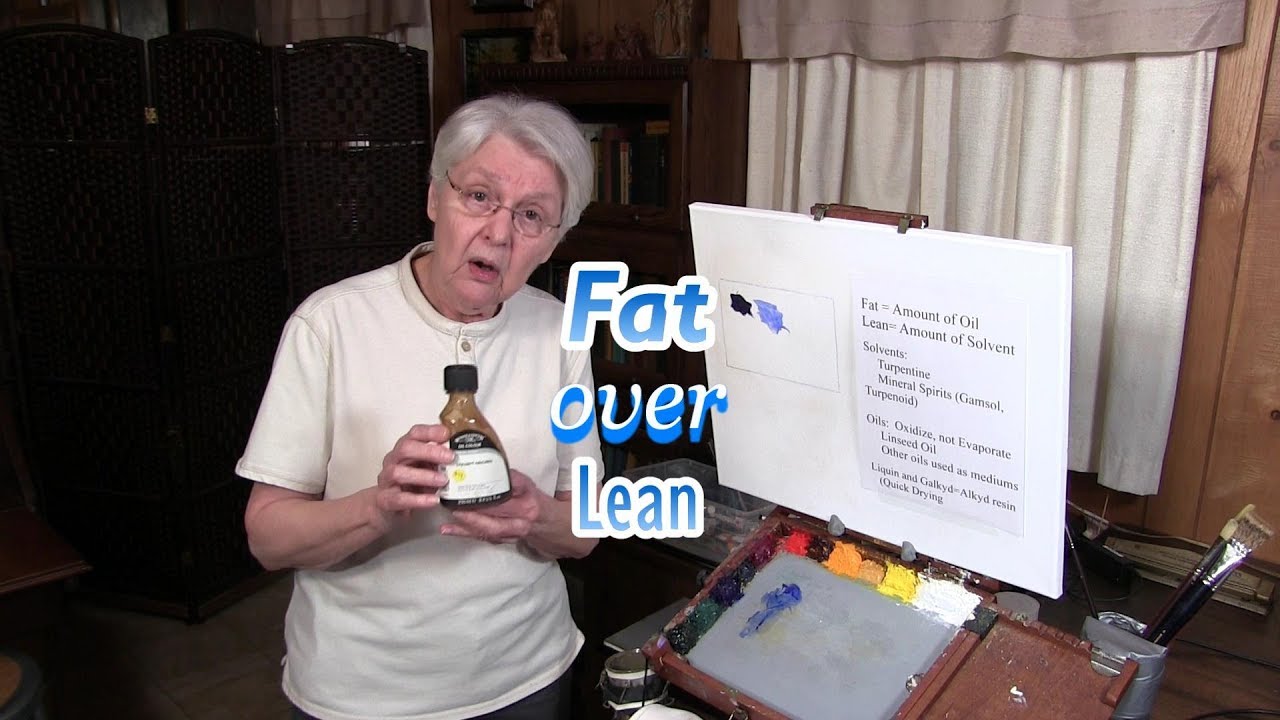
In art, they want to say fat over lean. The more oil in the paint, the longer the paint takes to dry. The paint with the most oil (Fat) is on top because when it dries it first forms a film, as it hardens oin top but has not dried underneath or all the way through. when another paint is placed on top and the other color underneath is not dry yet It's wiggling. And then when the top color dries, it becomes brittle, hard but underneath the wiggling movement creates cracking.
So, in the old Masters' time before paint was placed in a tube, they would have to say, okay, certain colors dry at a certain time, and they would have to say all the fast-drying colors go first. I don't care if you're painting about blue. We have to put in and paint everything fast drying first burnt umber, everything raw umber and everything yellow ocher so that the first layer of paint dries hard and firm first, no movement in the foundational layer-concrete of that house is formed and dries hard. Then we'll put another color that dries a little slower tomorrow on top because the slower drying part has to be on top.
That's 'Fat Over Lean'.
~*~*~*~
At Art Secrets Studio, we believe that everyone has the potential to be an artist. We'll teach you some of the tools and knowledge you need to unlock your artistic potential. In the process, we'll demystify the theories and concepts of the Old [guys] Masters and help you understand how to apply them in your art. Our systematic modules teach you the tools for application.
More information can be found at our website: www.artsecretsstudio.com
Getting Started: https://www.artsecretsstudio.com/gett...
Drawing Program: https://www.artsecretsstudio.com/draw...
Program Overviews: https://www.artsecretsstudio.com/prog...
File: 130
![Fat Over Lean Simplified in Oil Painting: Why Your Paint Cracks and The Science[ish] Part of Paint](https://imager.clipsaver.ru/qrpyfdHoFKE/max.jpg)
Доступные форматы для скачивания:
Скачать видео mp4
-
Информация по загрузке:









![Halftone and Notan: The Same or Different - Demystifying 3 L's, Likeness, Location, and [Le]Mood](https://imager.clipsaver.ru/AUnYOQ4atDM/max.jpg)

