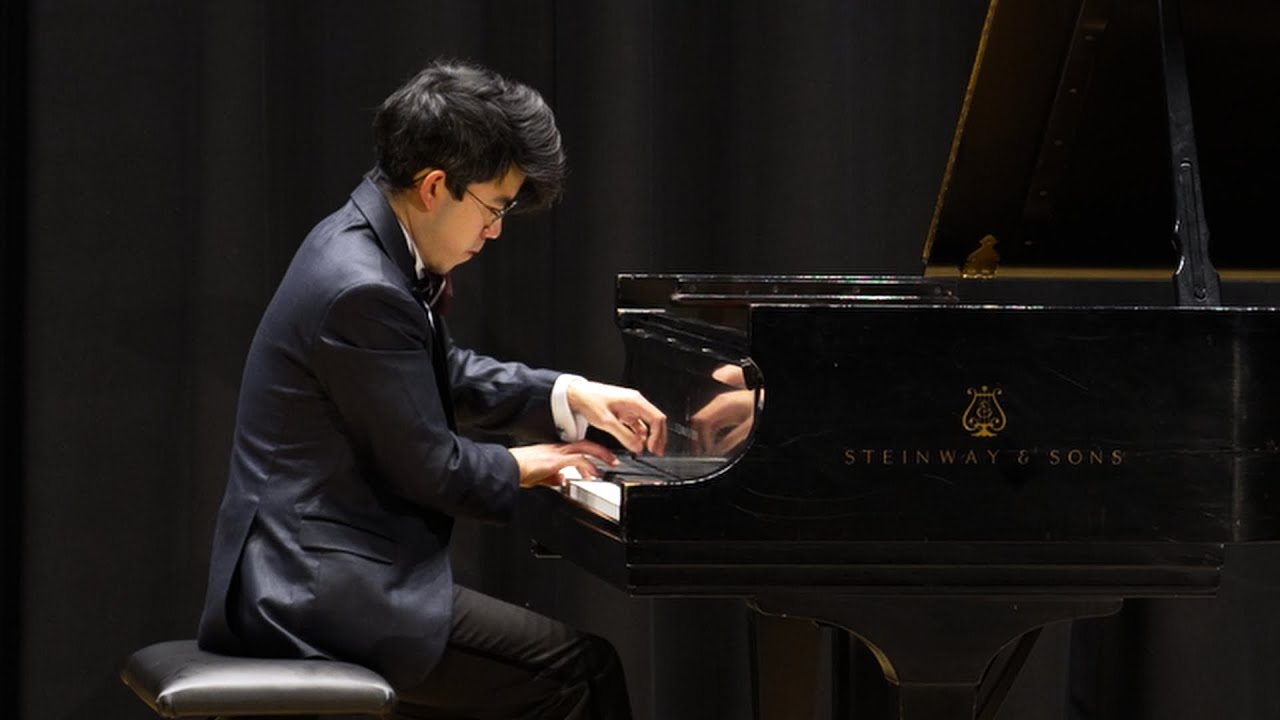
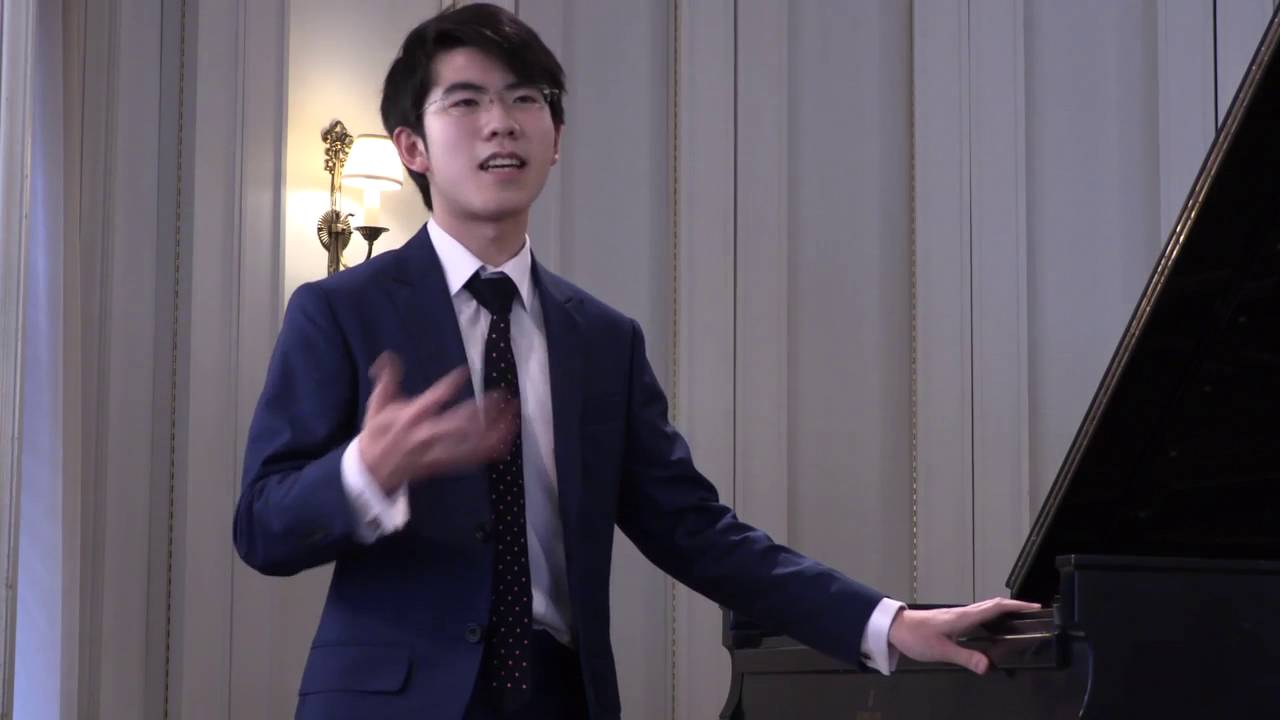
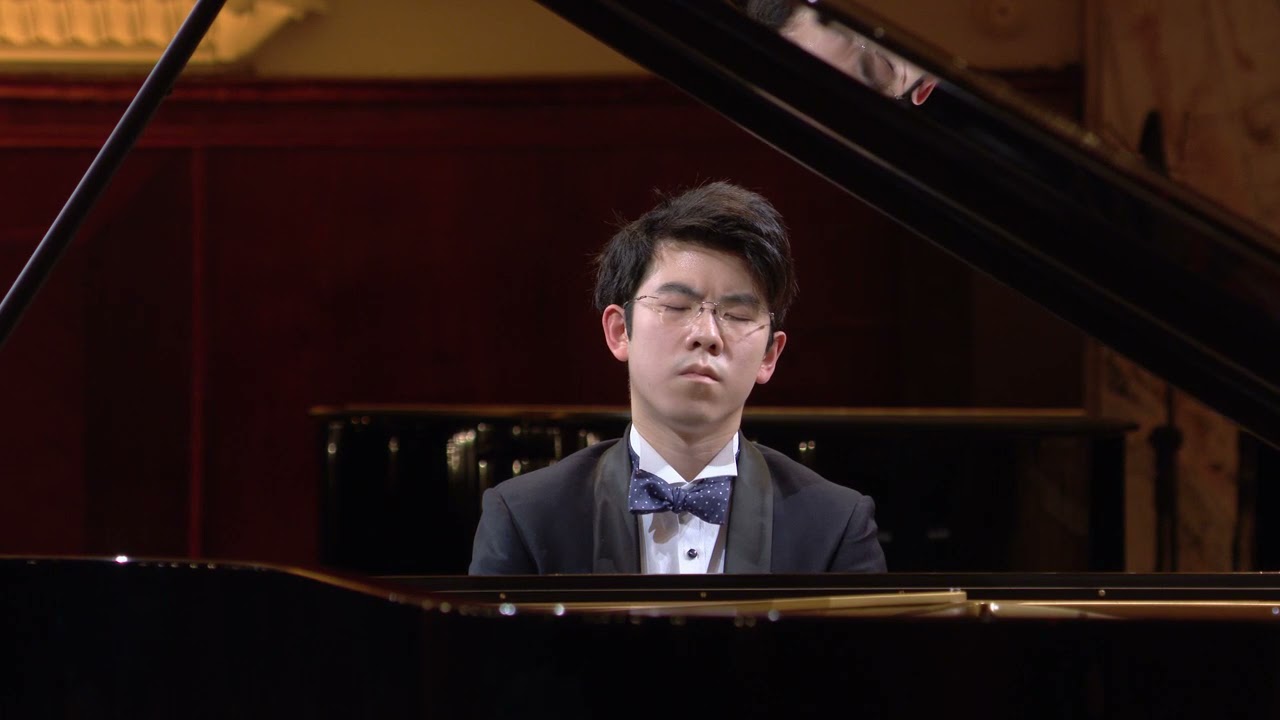
Aristo Sham: Schumann Sonata and Widmung
Автор: Gina Bachauer International Piano Foundation
Загружено: 2020-08-25
Просмотров: 1975
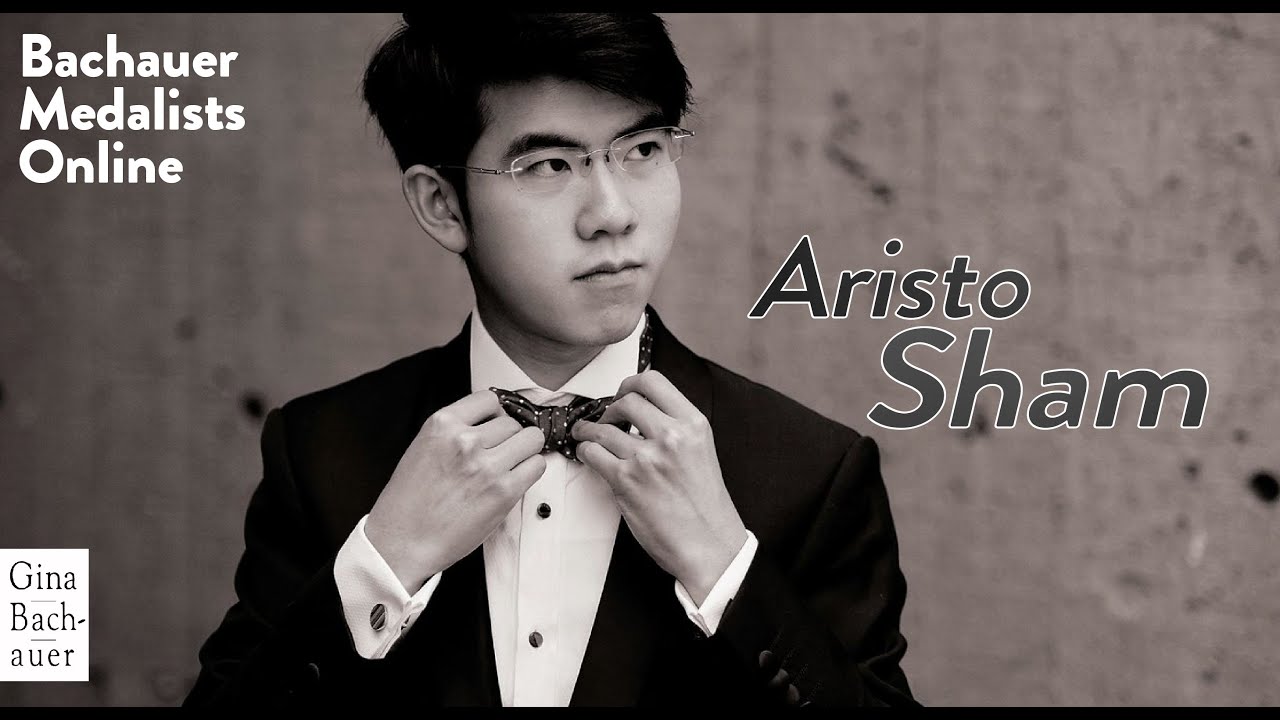
Aristo Sham, 2018 Bachauer Silver Medalist
Robert Schumann / Franz Liszt: Widmung
Robert Schumann: Sonata No. 2 in G Minor, op. 22
(with original ending)
About Schumann/Liszt: Widmung (Dedication)
Robert Schumann (1810 – 1856) composed, and dedicated to Clara Weick, his intended, a set of Lieder entitled, Myrthen, Op. 25 as he was awaiting his wedding day. The most popular of the group, Widmung, (Dedication) has the following lyrics by the poet Friedrich Rűckert:
You are my soul, my heart,
Delight, and sorrow;
You are my world wherein I live,
You are my heaven into which I soar,
-- Oh -- you are my grave, where deep down
I have forever laid my sorrow!
You are my rest, my peace;
Heaven has destined you for me.
Because your love me makes me feel worthy,
Your gaze has transfigured me,
Your love lifts me above myself,
You are my good spirit, my better self!
Schumann’s passionate musical expression makes clear his own heartfelt emotion about his love for Clara. The piece is marked by technical bravura, which Liszt, in his later transcription for piano solo, used to advantage. Liszt’s 200 transcriptions of works by other composers are indicative of his towering importance as a musical proselytizer. He always insisted that his arrangements were accompanied with the original lyrics, to give a programmatic framework to his solo transcription.
About Schumann: Sonata No. 2 in G Minor, op. 22
Robert Schumann (1810 – 1849) wrote his Piano Sonata No. 2 in G minor, Op. 22, beginning in 1831 and completing it in 1838. It was his third and last full-length attempt at the genre and includes some of the composer’s most characteristic music for the keyboard and also some of his most virtuosic demands. In 1838, Clara wrote to Robert, “I am endlessly looking forward to the second sonata. Your whole being is so clearly expressed in it." Nonetheless in the same letter she encouraged him to revise the last movement, which he did, replacing it with a completely new and less difficult finale. The first two movements were also reworked several times during the composition’s seven-year germination.
The tempo markings of the first movement have caused pianists some bewilderment. The initial marking is “So rasch wie möglich” ("As quickly as possible"). However, near the end, Schumann writes "Schneller" and then "Noch schneller", meaning "Faster" and "Still faster.” Although these markings may seem capricious, they do serve to make Schumann’s intentions clear.
The Andantino, a melodious ABA form in a gently rolling 6/8 meter, is one of the most charming movements Schumann ever wrote.
The very compact Scherzo is a mere 64 bars, and, unusually, only eight of these are marked for repetition. The snappy rhythm of the primary idea lends the Scherzo a witty flavor, while the brief trio section recaptures the gentle syncopations of the first movement's second theme.
Aristo Sham performs the original finale marked Presto passionate.
About Aristo Sham
When Aristo Sham won Silver in the Bachauer 2018 Artist’s Competition, Salt Lake audiences recalled that he had been here before; he won the Gold medal ten years earlier in the Bachauer Junior Competition. He had in fact been consistently winning important competitions since 2006 including, among others, the Barenreiter Urtext, Piano Arts, New York International, Vendome Prize at the Verbier Festival, Clara Haskil, and Young Artists International Auditions.
Aristo has dazzled audiences on five continents in countries ranging from Singapore and Argentina to Slovenia and Morocco. In 2009, he was featured in the documentary “The World’s Greatest Musical Prodigies” broadcast by Channel 4 in the UK. Aristo has also performed for royalty and dignitaries such as Prince Charles, the Queen of Belgium, and ex-President Hu of china and collaborated with orchestras such as the Hong Kong Philharmonic, the English Chamber Orchestra, the Utah Symphony Orchestra, and the Minnesota Orchestra.
Born in Hong Kong, Aristo was first introduced to the piano at the age of three and joined the Hong Kong Academy for Performing Arts when he was six. He has recently completed a Bachelor of Arts degree in Economics and French and a Master of Music degree in Piano Performance in a joint program at Harvard University and New England Conservatory.
Доступные форматы для скачивания:
Скачать видео mp4
-
Информация по загрузке: