Ustad Sadiq Ali Khan & Ustad Asad Ali Khan - Raga Darbari Kanada - Rudra Veena - Rudra Vina
Автор: Carsten Wicke
Загружено: 2016-10-12
Просмотров: 25919
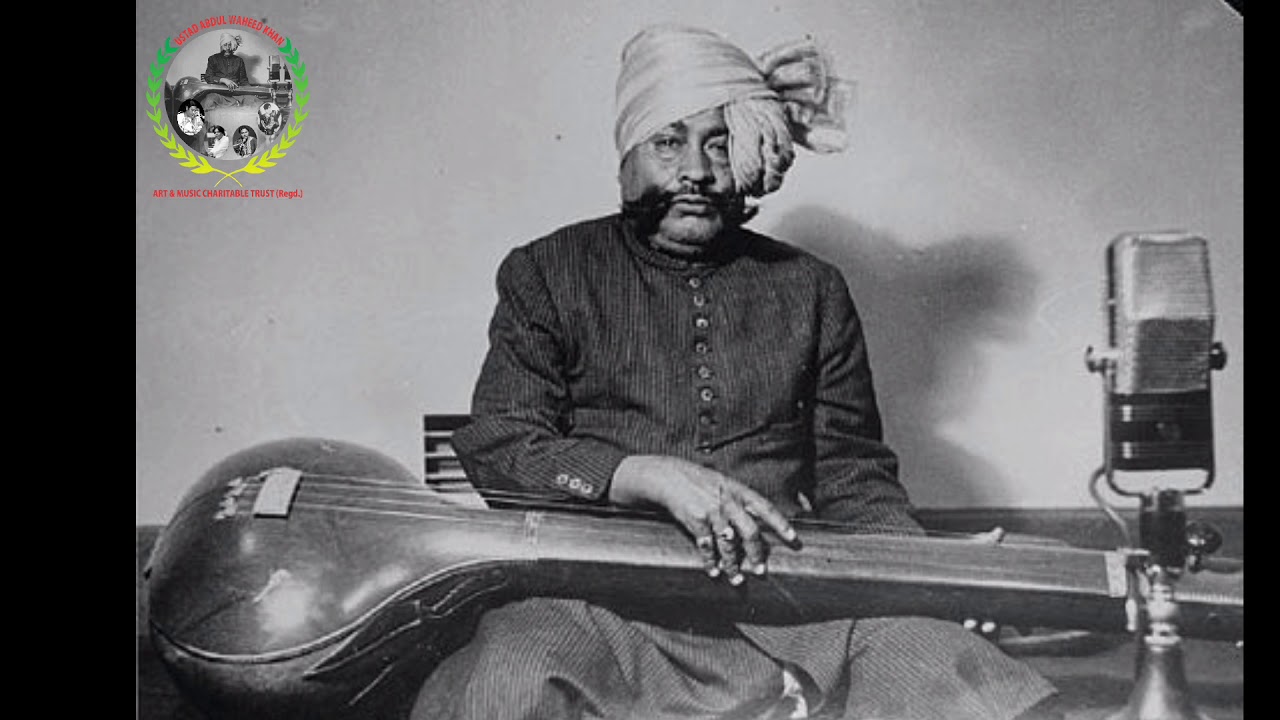
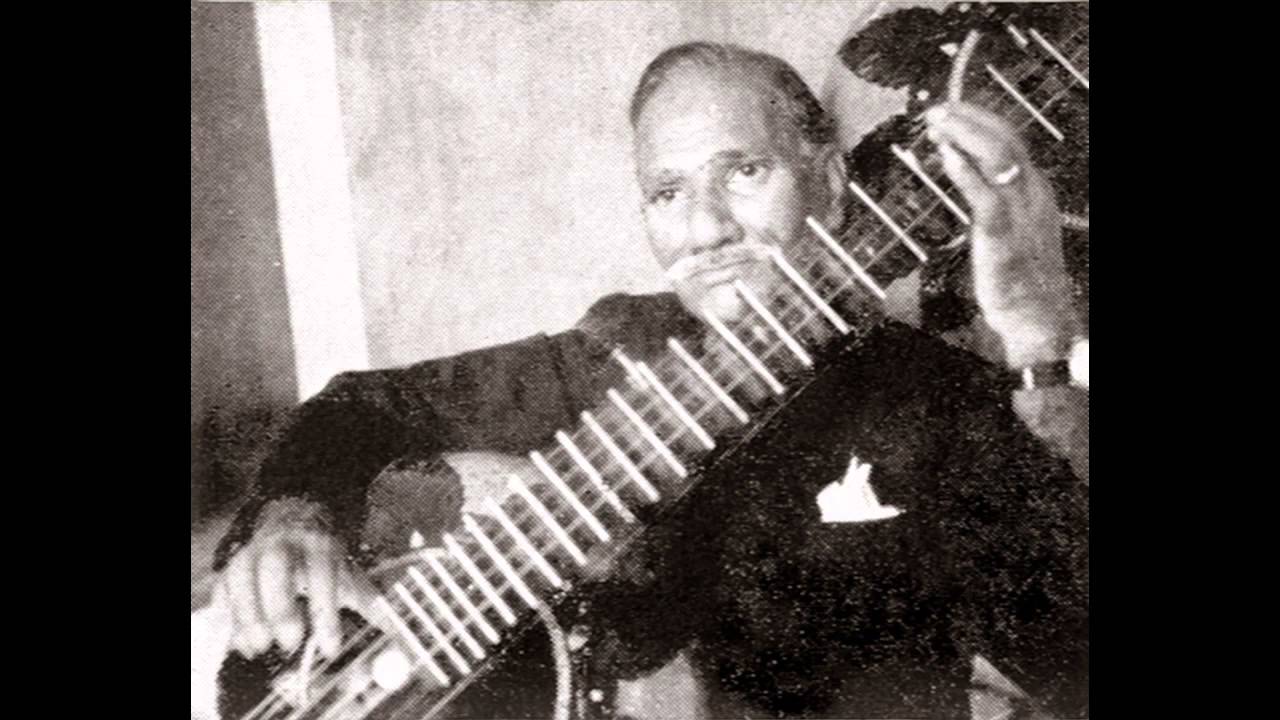
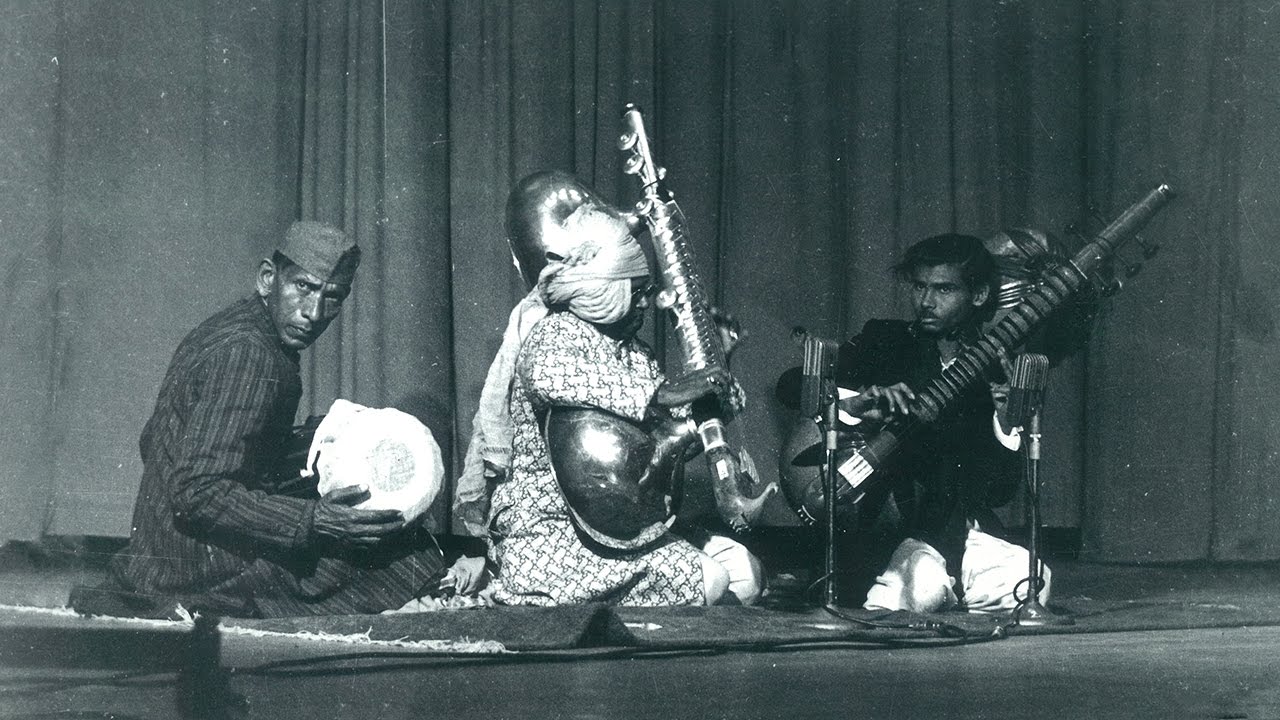
Here is another absolute rare recording: Ustad Sadiq Ali Khan accompanied by his son Ustad Asad Ali Khan playing the King of Ragas: Darbari. The Pakhavaj player is Pandit Gopal Das Panse, who later continued to accompany Ustad Asad Ali Khan until he passed around 2000. This recording was done in the Sangeet Natak Academy New Delhi. It is the longest recording made of Ustad Sadiq Ali Khan which I know of. It was taken on 6th January 1963 together with a recording of Raga Lankadahan Sarang, which I will upload later.
Leave aside the partly poor audio quality of the recording, it’s an interesting leap in time to see what was Veena playing a like in the middle of the 20th century.
You might note the sharp open Javari sound of the instruments, well supported by the use of metal Mizrab (plectrum) for the right hand strokes on the strings. The comparatively short sound sustain of those instruments was compensated by a high stroke density in the Alap and in the faster Angs (parts). Much of the playing is done by direct fret work and strong use of meend elements (stepless succession of notes, created be the bending of the string on the fret).
The faster tempo right from the beginning of the Alap and the complex stroke variations are typical for the style of the Jaipur Beenkar Gharana, as which Ustad Asad Ali Khan classified his musical family tradition. The dynamic progression paired with fast rhythmical varied strokes in high density culminating in the Thok Jhala and the heavy use of fast Gammak Alamkaras (ornaments) are showing the dominance of Khandarbani elements in this style of Veena playing.
The strong rhythmical dominance of the right hand with a fast stroke speed which cannot be found in todays Veena playing seams clearly influenced by the time Ustad Sadiq Ali Khan spend at the Rampur Court where there must have been quite a stiff competition between string instruments players and their technical skills.
Equal the composition part accompanied by the Pakhawaj shows a very instrumental version of an Dhrupad in Chautal. The short introduction of the Gat or Bandish Mukhra (main motive) is directly followed by improvised exploration. In this way also the Antara (second part of the composition) is reached as an improvised approach of the Tar Sadja (higher octave). Notable is here the complex right hand bol execution in maximum speed by Ustad Sadiq Ali Khan, which are closely followed by similar patterns on the Pakhawaj, reflecting the sat sangeet character (simultaneous play of rhythmical phrases) of percussion accompaniment for most of the time.
It is also a good reference of how Beenkars tried to keep up in the instrumental competition the Veena had to stand with the popularization of Sitar, Sarod and other string instruments who were more fit to answer the musical demand of the 19th and 20th century. Apart from the competition factor there must have been of course also a lively mutual influence between the playing techniques of the Maestros - especially on places with a big number of great musicians like the Rampur court, where Ustad Sadiq Ali Khan served as court musician of Nawab Raza Ali Khan. The same place, where Ustad Allauddin Khan took lessons from Ustad Wazir Khan, the famous Beenkar from the Senia Gharana.
For those understanding Hindi, enjoy Ustad Sadiq Ali Khans comments in the beginning, regarding the difference between the theoretical definition of a Raga and the practical demonstration by a musician.
Enjoy this really rare gem of old Veena recordings.
Carsten
PS: Another special: Ustadji as handsome youngster on the right of this unique photo
Доступные форматы для скачивания:
Скачать видео mp4
-
Информация по загрузке: