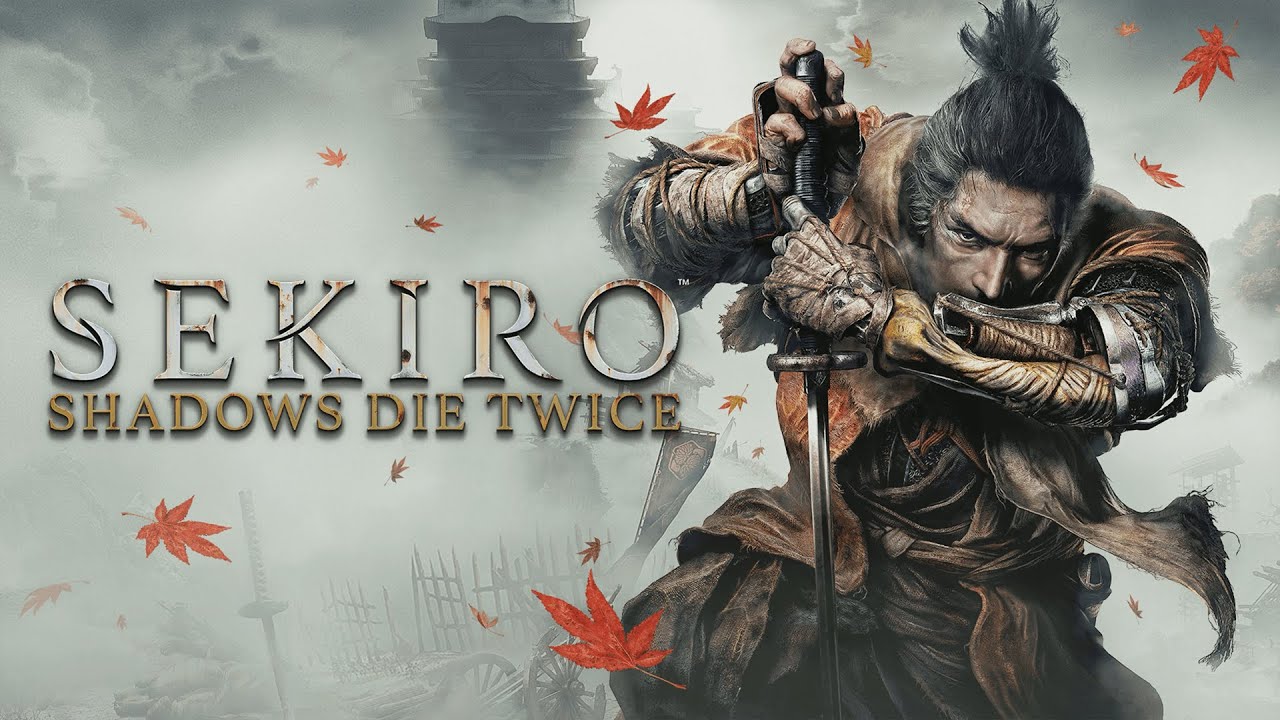
Sekiro: Shadows Die Twice - The Hate That Burns Even Deeper
Автор: Psychic LP
Загружено: 2026-01-18
Просмотров: 50
Sekiro: Shadows Die Twice is a breathtaking action‑adventure experience crafted by the acclaimed Japanese developer FromSoftware, best known for the Dark Souls and Bloodborne series. Released worldwide on March 22, 2019 for PlayStation 4, Xbox One, and Windows PC - with a later Stadia port in October 2020—Sekiro invites players into a richly imagined, fictionalized version of Japan's Sengoku era, blending historical atmosphere with fantastical elements.
At the heart of Sekiro lies the story of a shinobi known only as Wolf, a tribute to his prosthetic limb. As a loyal retainer to the Divine Heir, young Kuro, Wolf is brutally defeated by the formidable Genichiro Ashina. Left for dead with a severed arm, he is rescued and fitted with a mechanized prosthetic - hence the moniker “Sekiro,” meaning “the one‑armed wolf.” Empowered by this new limb, Wolf embarks on a perilous quest to rescue Kuro, protect the Dragon's Heritage bloodline, and prevent a brutal war.
Unlike traditional RPGs, Sekiro withdraws from heavy role‑playing mechanics and instead immerses players in visceral, precise combat. Rather than draining health bars, its posture‑breaking system demands split‑second deflections, measured attacks, and perfectly timed deathblows. Every encounter is an intense dance of swordplay and reflexes. Added layers—such as a grappling hook for vertical exploration, sneaking mechanics for stealthy takedowns, and a resurrection ability that lets players revive in the field under certain conditions—make each moment both deadly and dynamic.
Set against a backdrop of war-torn castles, misty rooftops, and hidden valleys, Sekiro’s level design rewards exploration and verticality. The grappling hook grants access to secret paths and hidden vantage points, while a minimalist world structure encourages discovery within linear zones. This sense of architectural mystery epitomizes FromSoftware’s design ethos: constant challenge, subtle storytelling, and environmental nuance.
Under the visionary direction of Hidetaka Miyazaki, Sekiro represents a bold divergence from its studio’s previous titles—a samurai-infused, narrative‑driven new IP that eschews online modes and custom characters, delivering instead an intensely personal, single-player journey.
Upon release, Sekiro: Shadows Die Twice earned near‑universal critical acclaim. Praise focused on its refined combat, hauntingly beautiful design, and emotional resonance, despite—or perhaps because of—its punishing difficulty. The game’s unforgiving nature polarized players, yet the triumphs felt all the more rewarding for it.
Commercially, it was a breakout success: over two million copies sold within ten days of launch, topping charts across Europe, Asia, and Japan, where retail sales exceeded 150,000 units in its opening weekend. By July 2020, sales surpassed five million copies, and by September 2023, more than ten million units had been sold globally.
Sekiro also swept the major game awards circuit, winning Game of the Year at The Game Awards 2019, besting contenders across categories and earning additional accolades for its action-adventure design, visual execution, and audio direction.
In short, Sekiro: Shadows Die Twice is a masterclass in game design—melding samurai aesthetic and myth, punishing yet gratifying combat, and a deeply personal journey of loyalty and sacrifice. It stands as a landmark title, redefining what modern action-adventure gaming can be.
Доступные форматы для скачивания:
Скачать видео mp4
-
Информация по загрузке: