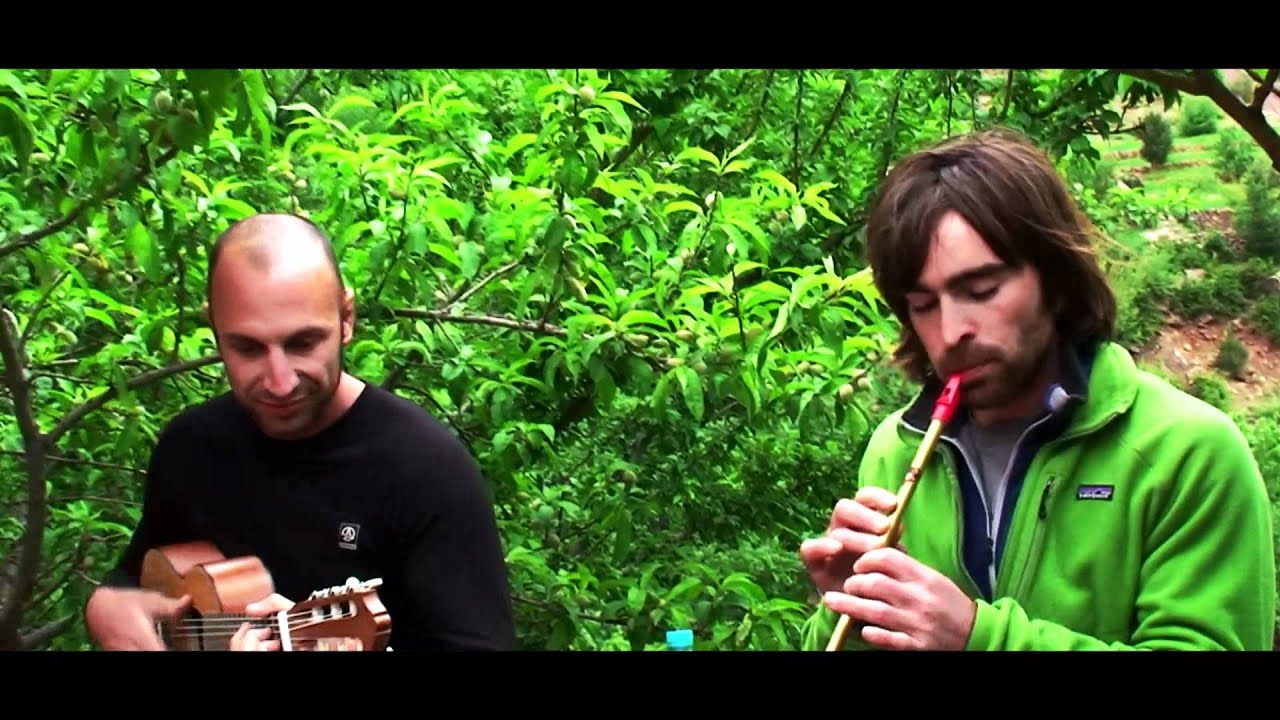
Irish Tin whistle 3 songs: traditional, Drunken Sailor, Scotland the Brave on Irish Tin whistle
Автор: World Instruments
Загружено: 2015-11-23
Просмотров: 142560
Irish Tin whistle 3 songs: traditional, Drunken Sailor, Scotland the Brave performances and music on Irish Tin whistle
1. playing a small piece of romanian traditional music on the tin whistle on the Red Mountain plateau, 5 kilometers from Cheia on a beautiful sunset
2. What shall we with the drunken sailor:
The shanty was sung to accompany certain work tasks aboard sailing ships, especially those that required a bright walking pace. It is believed to originate in the early 19th century or before, during a period when ships' crews, especially those of military vessels, were sufficiently large to permit hauling a rope whilst simply marching along the deck. With the advent of merchant packet and clipper ships and their smaller crews, which required different working methods, use of the shanty appears to have declined or shifted to other, minor tasks.
3. Scotland the Brave (Gaelic: Alba an Aigh) played in tin whistle is a Scottish patriotic song. It was one of several songs considered an unofficial national anthem of Scotland.
Indian Instruments and Music:
• Tabla: 2 Solo performances + 2 traditional...
Middle East and Turkish Empire Instruments:
• Duduk: 2 traditional Duduk songs from Armenia
Far East world Instruments and Music:
/ watch
v=vf6YB0SvqcU&list=PLTC1hOe24HPDUbNN5dP6AMFo6MhRY2_Cb&index=1
American and Australian Instruments:
• Hawaiian Ukulele 3 songs: ukulele Girl, So...
European instruments and music:
• Irish Tin whistle 3 songs: traditional, Dr...
More exotic world Music & instruments:
/ @worldinstruments6422
About the tin whistle:
The tin whistle, also called the penny whistle, English flageolet, Scottish penny whistle, tin flageolet, Irish whistle, feadóg stáin (or simply feadóg) and Clarke London Flageolet is a simple, six-holed woodwind instrument. It is a fipple flute, putting it in the same category as the recorder, Native American flute, and other woodwind instruments that meet such criteria. A tin whistle player is called a tin whistler or simply a whistler. The tin whistle is closely associated with Celtic music.
The tin whistle in its modern form is from a wider family of fipple flutes which have been seen in many forms and cultures throughout the world. In Europe such instruments have a long and distinguished history and take various forms; most widely known of these are the recorder, tin whistle, Flabiol, Txistu and tabor pipe.
Almost all primitive cultures had a type of fipple flute and is most likely the first pitched flute type instrument in existence. A possible Neanderthal fipple flute from Slovenia dates from 81,000-53,000 B.C.,a German flute from 35,000 years ago, and flute made from sheep's bone in West Yorkshire dating to the Iron Age.[6] Written sources that describe a fipple-type flute include the Roman and Greek aulos and tibia. In the early Middle Ages peoples of northern Europe were playing the instrument as seen in 3rd-century British bone flutes, and Irish Brehon Law describes flute like instrument. By the 12th century Italian flutes came in a variety of sizes, and fragments of 12th-century Norman bone whistles have been found in Ireland, and an intact 14 cm Tusculum clay whistle from the 14th century in Scotland. In the 17th century whistles were called flageolets; a term to describe a whistle with a French made fipple headpiece (common to the modern penny whistle) and such instruments are linked to the development of the English flageolet, French flageolet and recorders of the renaissance and baroque period.nThe term flageolet is still preferred by some modern tin whistle who feel this better describes the instrument, as this characterises a wide variety of fipple flutes, including penny whistles.
For more Info visit:
https://en.wikipedia.org/wiki/Tin_whi...

Доступные форматы для скачивания:
Скачать видео mp4
-
Информация по загрузке:









![Traditional Irish Tin Whistle Music 🎵🎵 [Doolin Style]](https://imager.clipsaver.ru/mpN36I9xr-o/max.jpg)